





























Coffee lovers know that the journey from bean to cup is filled with nuances that can dramatically affect flavor and aroma. When you grind coffee beans, you unlock a world of rich scents and tastes that can elevate your daily brew into something truly special. Understanding how to enhance these qualities can transform your coffee experience, making it not just a drink, but a ritual to savor.
In this article, I’ll share some secrets to enjoying the aroma of ground coffee beans, explore how different grinding methods can change the flavor profile, and discuss brewing techniques that bring out the best in your coffee. Whether you’re a seasoned barista or just starting your coffee journey, there’s always something new to learn about maximizing your enjoyment.
- Discover how to maximize the aroma of freshly ground coffee.
- Learn the impact of grinding methods on flavor.
- Explore brewing techniques that enhance your coffee experience.
Points to Enjoy the Aroma of Ground Coffee Beans
How to Maximize Freshly Ground Aroma
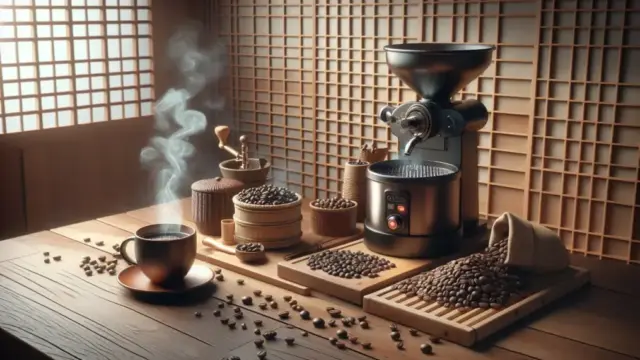
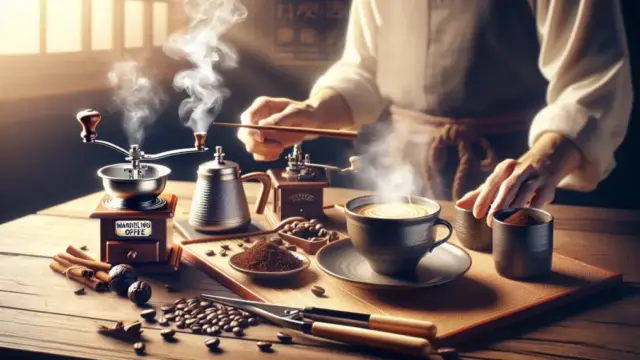
To truly appreciate the aroma of freshly ground coffee beans, it’s essential to focus on the grind size and technique. When you grind your beans, aim for a consistent size. This ensures that all the grounds extract evenly during brewing, which not only enhances flavor but also maximizes the aromatic compounds released. For instance, a fine grind works well for espresso, while a coarser grind is better suited for methods like French press or cold brew. Adjusting your grind size based on your brewing method allows you to experience the full spectrum of aromas.
Additionally, grinding your coffee just before brewing is key to capturing those delightful scents. Coffee beans start to lose their freshness as soon as they’re ground, so the closer you can get to brewing time, the better. Taking the time to grind your beans right before making your coffee can elevate your experience. Imagine waking up in the morning, inhaling the fresh aroma filling your kitchen, and knowing that the best cup of coffee is just moments away.
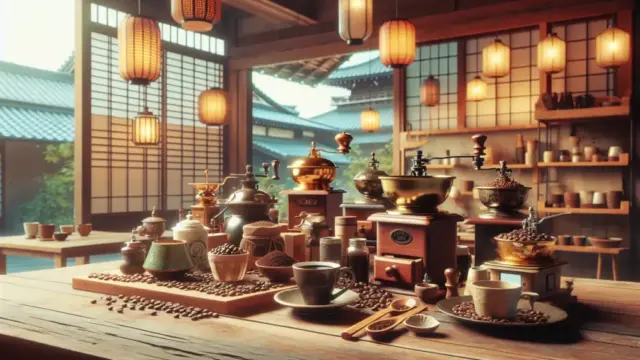
On the other hand, the method you choose to grind your coffee can significantly influence its aroma. Blade grinders, while convenient, often produce uneven grounds which can lead to inconsistent extraction. A burr grinder, though, provides a more uniform grind, allowing for a richer aroma and flavor profile. If you’re serious about enjoying your coffee, investing in a good burr grinder could be a game-changer for your daily brew.
Furthermore, don’t underestimate the power of water temperature and brew time. Both elements can dramatically affect how those aromatic oils and compounds are extracted from the coffee grounds. A well-timed brew with the right temperature can amplify the natural scents of your coffee, making your cup not just a drink but an experience to cherish.
Storage Methods to Enjoy the Aroma
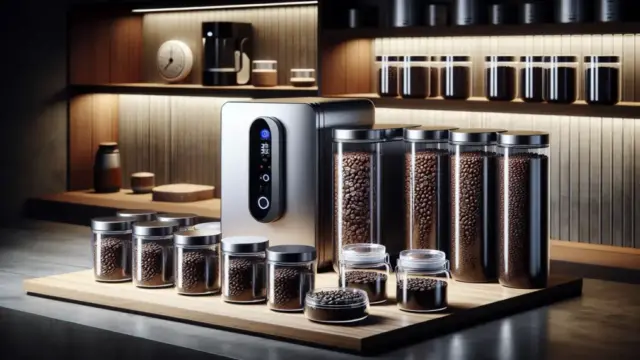
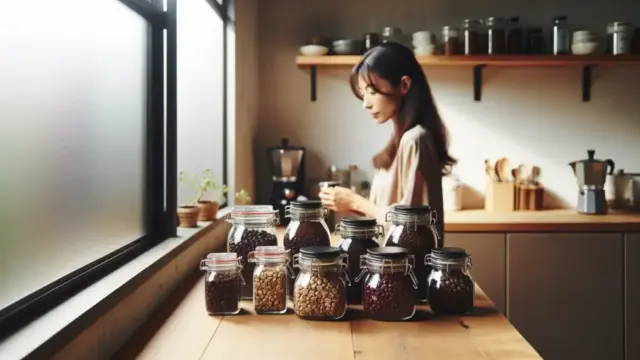
Proper storage of your coffee beans is just as crucial for preserving their aroma. Once you’ve opened a bag of fresh coffee, exposure to air can lead to oxidation, which diminishes both flavor and aroma. To combat this, consider using an airtight container. A canister with a one-way valve allows gases to escape without letting air in, keeping your coffee fresher for longer.
Another tip is to store your beans in a cool, dark place. Heat and light can both negatively impact the quality of your coffee over time. Instead of keeping your coffee on a sunny countertop, try putting it in a cupboard or pantry. This simple adjustment can help maintain the rich aromas that make coffee so enjoyable.
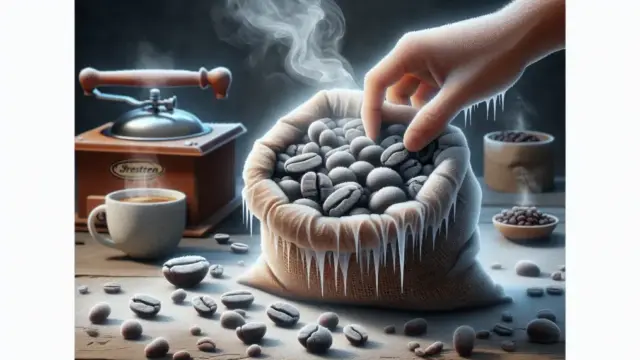
Lastly, avoid freezing coffee beans unless you are certain it’s necessary. While freezing can help extend shelf life, it can also introduce moisture, which is detrimental to the beans. If you do decide to freeze, make sure to portion out your beans into smaller bags so you only expose what you need to air and temperature changes when you take them out. This way, you can still preserve that delightful aroma for each brew.
The Relationship Between Grinding Beans and Flavor
Differences Between Coarse and Fine Grinding
When you think about grinding coffee beans, the size of the grind plays a critical role in shaping the flavor of your coffee. Coarse grinds, which look like sea salt, are great for brewing methods like the French press. This grind size allows for a longer extraction time, which helps to draw out the sweeter, more aromatic notes of the coffee. You’ll find that a coarser grind can produce a smoother, less bitter cup, making it perfect for a leisurely morning brew.
On the flip side, fine grinds are akin to powdered sugar and are ideal for espresso machines. The fine texture increases the surface area of the coffee, allowing for a quick extraction. This method can bring out the intense and bold flavors, along with a rich crema that sits atop the espresso. However, if the grind is too fine for methods like drip brewing, it can lead to over-extraction, resulting in a bitter taste. This balance is crucial, and adjusting your grind size based on your brewing method can transform your coffee experience.
Moreover, the grind size can also influence the aroma. A finer grind releases aromatic oils more quickly, as the increased surface area allows for greater exposure to hot water. If you enjoy a rich, fragrant cup, experimenting with your grind size can be an exciting way to discover new flavors and aromas. Each brewing method has its sweet spot, and finding it can be a delightful adventure.
As you refine your grinding technique, don’t forget about your personal taste preferences. Some people love the boldness of a finely ground espresso, while others might enjoy the subtle complexities found in a coarse French press brew. It’s all about exploring what works best for you and your palate.
Flavor Changes Based on Grinding Method
The method you use to grind your coffee beans can significantly affect the flavors in your cup. For instance, blade grinders chop the beans unevenly, leading to a mix of fine and coarse particles. This inconsistency can cause some flavors to be over-extracted while others are under-extracted, resulting in a muddled cup of coffee. If you’ve ever tasted a brew that seemed flat or lacked depth, the grinding method could be the culprit.
In contrast, burr grinders crush the beans between two revolving surfaces, creating a uniform grind. This consistency ensures that all the coffee particles extract evenly during brewing. As a result, you’ll notice a more balanced flavor profile with distinct notes that shine through. If you’re serious about your coffee, investing in a burr grinder can make a world of difference.
Another factor to consider is the speed of the grinding process. High-speed grinders can generate heat, which might affect the oils in the coffee. This heat can rapidly diminish the aroma and flavor of your beans, leading to a less enjoyable cup. Slow grinders, on the other hand, maintain cooler temperatures, preserving the essential oils that contribute to the fresh and vibrant flavors in your coffee. Choosing the right grinding method is essential for maximizing the deliciousness of your brew.
Brewing Methods After Grinding Coffee
Importance of Brewing Time and Temperature
Once you’ve ground your coffee beans, the next step is brewing, and this process is just as crucial for bringing out the best flavors and aromas. Brewing time and temperature directly influence how well the coffee extracts its essential oils and flavors. If the water is too hot, it can lead to over-extraction, resulting in a bitter taste. Conversely, if the water is not hot enough, you might end up with a weak and underwhelming cup.
For optimal results, aim for a water temperature between 195°F to 205°F. This range is perfect for extracting the rich flavors while preserving the delightful aroma. Additionally, timing is key; for example, a French press usually requires about four minutes of steeping, while espresso takes only about 25 to 30 seconds. Fine-tuning these factors can turn an ordinary coffee experience into something extraordinary, allowing you to savor every sip.
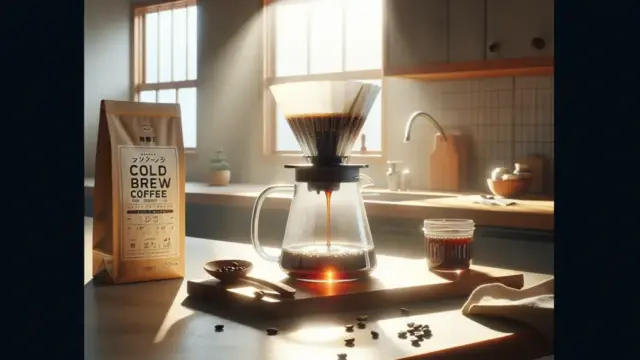
Moreover, different brewing methods require different times and temperatures. For instance, cold brew coffee involves steeping coffee grounds in cold water for an extended period, typically 12 to 24 hours. This method results in a smooth and less acidic cup, showcasing a different spectrum of flavors. Understanding how your chosen brewing method interacts with time and temperature can help you explore new dimensions of coffee tasting.
It’s worth noting that even small adjustments can yield significant flavor differences. So, don’t hesitate to experiment with brewing times and temperatures to find what suits your palate best. Each cup is a chance to discover new notes and aromas, making coffee brewing an exciting adventure.
Recommended Brewing Methods and Their Features
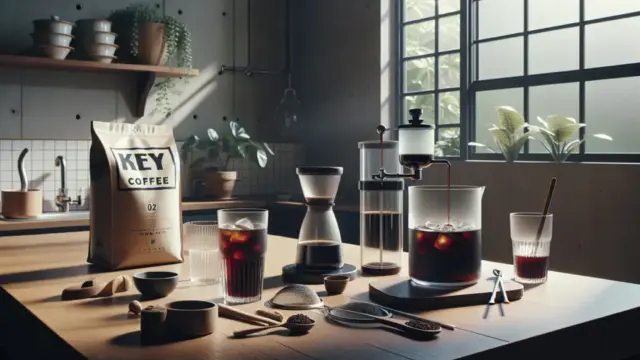
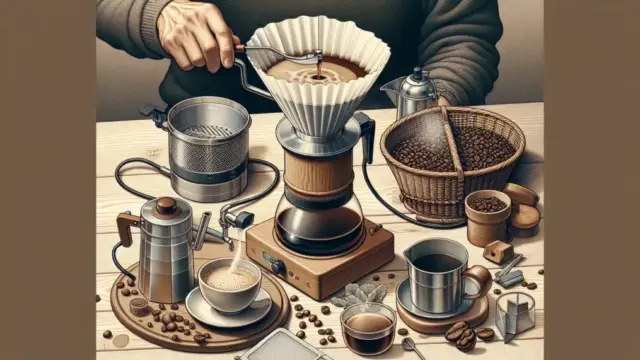
When it comes to brewing coffee, there are several popular methods, each with its own unique characteristics and flavor profiles. Pour-over coffee, for instance, is known for its clean and bright taste. This method allows you to control the flow of water over the grounds, promoting even extraction. The result is a cup that highlights the coffee’s intricate flavors and aromas.
On the other hand, a French press offers a robust and full-bodied brew. It allows the coffee grounds to steep directly in hot water, which extracts more oils and flavors. This method is perfect for those who enjoy a rich and hearty cup of coffee. Each brewing method has its charms, and trying out different ones can be a fun way to find your favorite style.
By understanding the features of these brewing methods, you can better tailor your coffee experience to your taste preferences. Whether you prefer the precision of a pour-over or the boldness of a French press, each method has something special to offer that enhances the enjoyment of freshly ground coffee beans.
The Future of Coffee Culture and Evolution of Grinding
New Ways to Enjoy Brought by Technology
As technology continues to evolve, so does the way we enjoy coffee. Smart coffee makers and app-controlled grinders are becoming increasingly popular, allowing coffee lovers to customize their brewing experience like never before. Imagine waking up to the smell of freshly brewed coffee made just the way you like it, all thanks to a programmable machine that grinds your beans to the perfect size and brews at the ideal temperature. This kind of convenience can elevate your daily coffee ritual, making it feel more special.
Another exciting development is the rise of coffee subscriptions that deliver freshly roasted beans right to your doorstep. Many of these services offer a variety of grind sizes tailored to your brewing method, ensuring you get the most out of your beans. This not only enhances convenience but also encourages exploration. You can try different coffee origins and flavors without stepping foot outside your home. It’s an exciting time for coffee lovers as technology opens up new avenues to enjoy their favorite beverage.
Sustainability and the Future of Coffee
Sustainability is becoming a central focus in the coffee industry, reshaping how we think about the journey from bean to cup. With the growing awareness of climate change and its impact on coffee production, many farmers are adopting sustainable practices. This includes organic farming, shade-grown coffee, and fair trade practices that ensure both environmental health and fair wages for producers. By choosing sustainably sourced coffee, consumers can support these positive changes and enjoy a product that aligns with their values.
Moreover, the trend towards eco-friendly grinding methods is gaining traction. Many companies are exploring ways to create energy-efficient grinders that minimize waste and reduce their carbon footprint. Some grinders are even made from recycled materials, which adds another layer of sustainability to the coffee experience. As consumers become more environmentally conscious, they are likely to seek out products that reflect this commitment.
In addition to sustainable farming and grinding, there’s a growing interest in zero-waste coffee practices. This means finding ways to use every part of the coffee plant, including the pulp and husk. Innovative cafes and brands are experimenting with coffee waste to create new products, like coffee-infused snacks and biodegradable cups. This movement not only helps reduce waste but also challenges us to think creatively about how we enjoy coffee.
As the coffee culture continues to evolve, we can expect more emphasis on sustainability and technology that enhances our experience. By embracing these changes, we can enjoy our coffee not just as a delicious beverage but also as part of a responsible and thoughtful lifestyle. The future of coffee is bright, and it holds exciting possibilities for both coffee lovers and the planet.
Conclusion
As we wrap up our exploration of coffee, beans, and the journey after grinding, it’s clear that the way we handle our coffee can significantly impact our experience. From the moment you grind those beans to the final sip of your brew, every step is an opportunity to enhance flavor and aroma. It’s about finding the right method that suits your taste and elevates your daily coffee ritual.
Understanding the nuances of grind size, storage, and brewing techniques is essential for any coffee lover. By experimenting with these variables, you can discover new flavors and aromas that might surprise you. Whether you prefer a bold espresso or a smooth French press, there’s a world of possibilities waiting to be uncovered in each cup.
Finally, with advancements in technology and a growing focus on sustainability, the future of coffee culture looks promising. Embracing these changes not only enriches our coffee experience but also allows us to support practices that are better for our planet. So, as you enjoy your next cup, remember the journey it took to get there.
- Grinding coffee just before brewing enhances aroma and flavor.
- The grind size and method significantly influence the final taste of your coffee.
- Sustainable practices in coffee production are becoming increasingly important.
I’d love to hear your thoughts! What’s your favorite way to enjoy coffee after grinding? Feel free to share your experiences in the comments below.
Comment