































There’s something magical about the aroma of freshly brewed coffee that can instantly lift your spirits. Whether you’re a casual drinker or a self-proclaimed coffee aficionado, understanding the nuances of coffee can really enhance your experience. From choosing the right beans to perfecting your brewing technique, there’s a whole world of flavors waiting to be explored.
In this article, we’ll dive into the criteria for selecting the best coffee, breaking down the different types of beans and how their roast levels affect flavor. You’ll also discover how the brewing method and water quality play a crucial role in achieving that perfect cup of joe. Plus, I’ll share some tips on creating the ideal atmosphere for enjoying your coffee and what sweet treats pair nicely with your favorite brew.
So, if you’re ready to elevate your coffee game, you’re in the right place. Let’s embark on this journey together and unlock the secrets to the ultimate coffee experience.
- Explore the different types of coffee beans and their unique characteristics.
- Learn how brewing methods and water quality impact flavor.
- Discover tips for creating the perfect coffee-drinking atmosphere.
Criteria for Choosing the Best Coffee
Types of Coffee Beans and Their Characteristics
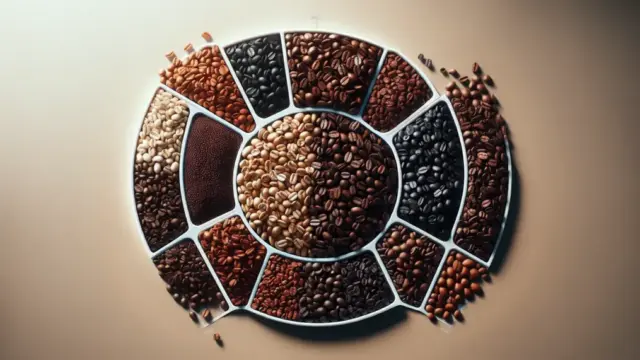
When it comes to coffee, the first step in finding the best brew starts with understanding the different types of coffee beans. The two most common varieties are Arabica and Robusta. Arabica beans are known for their smooth and complex flavors, often with a hint of sweetness. They typically grow at higher altitudes and require more care, which is why they can be a bit pricier. On the other hand, Robusta beans are heartier and grow in lower altitudes, offering a stronger, more bitter taste. They also contain more caffeine, making them a favorite for espresso blends.
Furthermore, there are some lesser-known beans, like Liberica and Excelsa, which bring their own unique profiles to the table. Liberica has a floral aroma and a somewhat woody flavor, while Excelsa is often described as fruity and tart. Exploring these varieties can be a fun way to expand your palate and discover what really resonates with your taste buds. Each type of bean has its own story, and learning about these can deepen your appreciation for every cup you sip.
As you dive deeper into the world of coffee, you’ll soon realize that the region where the beans are grown significantly influences their flavor. For example, beans from Colombia often have a bright acidity with notes of caramel, while Ethiopian beans may offer fruity and floral hints. Understanding these regional distinctions can help you choose a coffee that aligns with your preferences, whether you enjoy a light and fruity blend or a dark and rich roast.
Finally, don’t forget about the importance of freshness. Coffee beans start to lose their flavor shortly after they’re roasted, so look for options that are freshly roasted, ideally within a couple of weeks. Checking the roast date on the packaging is a great way to ensure you’re getting the best coffee experience possible.
Flavor Differences by Roast Level
Roast level is another key factor that affects the flavor of your coffee. Generally, coffee can be categorized into three main roast levels: light, medium, and dark. Light roasts are known for their bright acidity and often highlight the unique characteristics of the bean. You might notice fruity or floral notes that are more pronounced in these lighter blends, making them perfect for those who appreciate a more delicate flavor profile.
On the other hand, medium roasts strike a balance between acidity and body, offering a well-rounded taste. They often have a slightly sweet flavor, with hints of chocolate or caramel. Dark roasts, meanwhile, deliver a bold and robust profile, with a fuller body and less acidity. The roasting process brings out deeper flavors, often with a smoky or even bitter finish. Each roast level has its place in the coffee world, and experimenting with different roasts can help you find your personal favorite.
Key Points for Mastering the Best Brewing Techniques
Differences in Brewing Methods and Their Impact
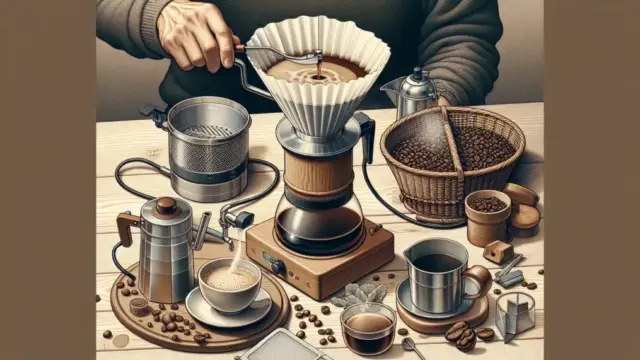
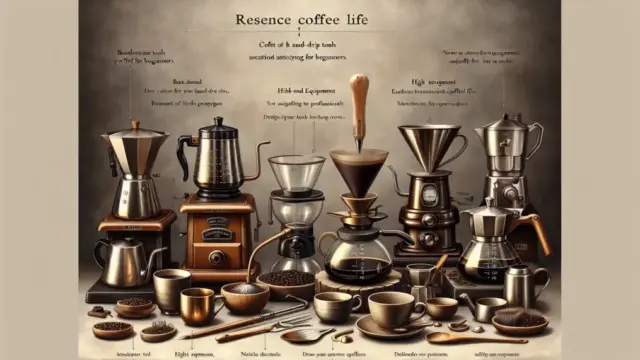
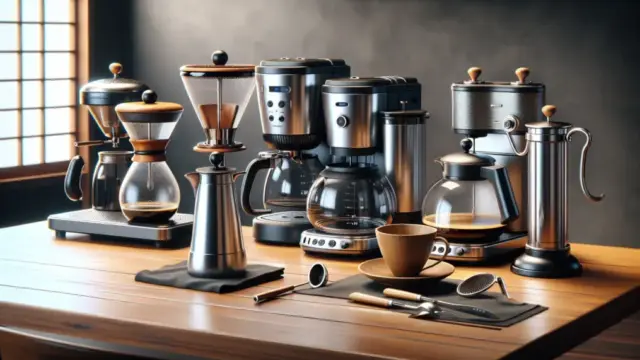
Once you’ve selected the right beans and roast level, the next step is mastering the brewing method. There are many ways to brew coffee, each bringing out different flavors and characteristics. For instance, using a French press allows the oils from the coffee to remain in the cup, creating a rich, full-bodied taste. In contrast, a pour-over method highlights the clarity and brightness of the coffee, making it a favorite for those who enjoy more delicate flavors.
Furthermore, espresso machines provide a concentrated shot that packs a punch, perfect for those who love bold flavors. Each method has its own unique process, which can dramatically affect the final taste of your coffee. Experimenting with various brewing techniques can be an exciting way to discover how each method influences flavor and aroma, ultimately helping you find your ideal cup.
Importance of Water Quality and Temperature Control
Water quality is often overlooked but is crucial for brewing the best coffee. Since coffee is primarily made up of water, using filtered or bottled water can really enhance the flavor. Tap water, especially if it’s heavily chlorinated or hard, can introduce unwanted tastes that mask the coffee’s natural flavors. If you want a clean and crisp cup, investing in a good water filter is a smart move.
Temperature also plays a significant role in brewing. The ideal water temperature for brewing coffee is between 195°F and 205°F. If the water is too hot, it can extract bitter flavors, while water that’s too cool may not extract enough, resulting in a weak brew. It’s all about finding that sweet spot. Using a thermometer or a kettle with temperature control can help ensure you’re brewing at just the right temperature, leading to a well-balanced cup.
Finally, remember to pay attention to the coffee-to-water ratio. A general guideline is to use one to two tablespoons of coffee per six ounces of water. However, personal preference plays a big part in finding the right balance. Adjusting the quantity can help you achieve that perfect strength that suits your taste. By mastering these elements, you’ll be on your way to brewing the best coffee possible in the comfort of your home.
Setting Up for the Ultimate Coffee Enjoyment
Tips for Creating the Right Atmosphere
Creating the perfect atmosphere for enjoying your coffee can elevate the entire experience. Lighting plays a huge role in setting the mood. Soft, warm lighting can create a cozy ambiance, making your coffee break feel like a little escape from the daily grind. Consider using candles or a dim lamp to soften the space. If you prefer natural light, a sunny spot by the window can also work wonders, enhancing the flavors of your brew while you take in the view.
Another key element is comfort. Your seating choice can significantly impact how you enjoy your coffee. A comfy chair or a spot on the couch can invite you to relax and savor every sip. Think about adding some cushions or a throw blanket to make the space even cozier. Background music can also help set the tone. Whether you prefer soft jazz or serene acoustic tunes, the right soundtrack can enhance your coffee enjoyment, allowing you to unwind and fully appreciate your cup.
Suggestions for Sweets Pairing with Coffee
Pairing the right sweet treats with your coffee can create a delightful harmony of flavors. If you’re sipping on a lighter roast, consider indulging in something fruity or nutty. A slice of lemon loaf or a berry tart can complement the bright acidity and enhance the overall tasting experience. These flavors can dance beautifully on your palate, bringing out the nuances of your brew.
For medium roasts, you might enjoy a chocolate croissant or a slice of coffee cake. The subtle sweetness and buttery richness of these pastries can match the well-rounded taste of your coffee, creating a satisfying balance. The chocolate notes from the pastry can even echo the chocolate hints in the coffee, making each bite and sip a perfect match.
When it comes to dark roasts, don’t shy away from bold flavors. Dark chocolate brownies or a rich chocolate cake can stand up to the robust profile of your drink. The bitterness of the dark chocolate can deepen the flavors of your coffee, creating a deliciously indulgent experience. This pairing can be a true treat for your taste buds, especially if you enjoy the strong, smoky notes in your cup.
Lastly, don’t forget about classic cookies like biscotti. These crunchy treats are perfect for dipping and come in various flavors, from almond to chocolate chip. Their texture can add a satisfying crunch, while their subtly sweet flavors blend well with any roast. Experimenting with different pairings can be a fun way to discover what works best for you and makes your coffee moments even more enjoyable.
Building a Community to Deepen Your Coffee Experience
Utilizing Coffee Events and Workshops
One of the best ways to deepen your coffee experience is by participating in coffee events and workshops. These gatherings often bring coffee enthusiasts together, creating a vibrant atmosphere filled with knowledge and excitement. Whether it’s a local coffee festival or a workshop at a nearby café, these events provide an excellent opportunity to learn from experts and fellow coffee lovers alike. You might discover new brewing techniques, explore different bean varieties, or even taste unique blends that you would never have tried otherwise.
At these events, you can engage in hands-on activities that enhance your understanding of coffee. For instance, many workshops include coffee tastings where you can sample various roast levels and brewing methods. This not only helps you refine your palate but also allows you to ask questions and get valuable tips from seasoned baristas. Plus, the social aspect of these events can lead to friendships with people who share your passion, making your coffee journey even more enjoyable.
Moreover, attending coffee events often introduces you to local roasters and specialty shops, which can become your go-to sources for high-quality beans. Many events feature vendors who sell freshly roasted coffee, so you can take home a bag of something new to experiment with. By connecting with local coffee producers, you also support your community and help keep the coffee culture thriving in your area.
In addition to these events, consider organizing or joining coffee clubs where members meet regularly to share their coffee experiences. Whether it’s a casual meet-up at a café or a more structured tasting session, these gatherings can deepen your appreciation for coffee while allowing you to bond over shared interests.
Expanding the Network of Coffee Fans on Social Media
Social media is a fantastic tool for connecting with other coffee enthusiasts from around the world. By following coffee-related accounts on platforms like Instagram, Facebook, and Twitter, you can discover new trends, techniques, and even meet fellow coffee lovers. Many coffee roasters and shops actively share their stories, showcasing their beans and brewing methods, which can inspire you to try something different.
Engaging with the coffee community online also opens doors to virtual events and discussions. You might find live brewing sessions, Q&A sessions with coffee experts, or even online tastings that allow you to participate from the comfort of your home. By sharing your own coffee journey, including your favorite brews and experiences, you contribute to a supportive community where everyone can learn and grow together.
Conclusion
As we wrap up our exploration of the best coffee, it’s clear that each step of the coffee journey contributes to the overall experience. From selecting the right beans to mastering brewing techniques, every detail matters in crafting the perfect cup. Additionally, creating an inviting atmosphere and engaging with the coffee community can truly elevate your enjoyment and appreciation for coffee.
Remember, coffee is not just a beverage; it’s a ritual and a way to connect with others. Embrace the diversity of flavors, try different pairings, and don’t hesitate to share your coffee adventures with fellow enthusiasts. With all that we’ve discussed, you’re well-equipped to enhance your coffee experience.
- Understand the different types of coffee beans and their unique flavors.
- Learn how brewing methods and water quality can affect the final taste.
- Discover tips for creating the perfect atmosphere and pairing treats with coffee.
I’d love to hear about your favorite coffee experiences or any tips you have. Feel free to leave a comment below!
Comment