



























Unlocking the secrets of coffee can be a delightful journey, especially when it comes to understanding expiry dates and how to choose the right beans. Many coffee lovers might wonder how long their favorite brew lasts and what those dates really mean. Whether you’re a casual drinker or a passionate enthusiast, knowing how to pick fresh coffee and store it properly can enhance your coffee experience immensely.
Expiration dates can often be confusing, as they vary depending on storage conditions and the type of coffee. Understanding the difference between “expiry” and “best before” dates can help you enjoy your coffee at its peak flavor. Plus, learning how to identify fresh beans is an essential skill for anyone looking to elevate their coffee game.
Storing coffee correctly is just as important as selecting the right beans. The choice between freezing your coffee or keeping it at room temperature can significantly affect its longevity and taste. With the right storage methods, you can ensure that every cup of coffee remains as fresh and flavorful as possible.
In this article, we’ll dive deep into the intricacies of coffee expiry dates, the best ways to choose and store your beans, and tips for enjoying every last drop, even past those dates. So grab your favorite mug and get ready to discover a whole new world of coffee enjoyment!
- Learn the difference between expiry and best before dates for coffee.
- Discover how to select the freshest coffee beans for optimal flavor.
- Understand the best storage methods to keep your coffee fresh longer.
What is the Expiration Date of Coffee?
Difference Between Expiration and Best Before Dates
When it comes to coffee, understanding the terms “expiration” and “best before” is essential. The expiration date typically indicates the point at which the coffee may no longer be safe to consume. In contrast, the best before date suggests when the coffee will be at its peak freshness and flavor. This means that even after the best before date, the coffee might still be drinkable, but it may not taste as good as it once did.
It’s important to know that these dates aren’t set in stone. Factors like the type of coffee, whether it’s whole bean or ground, and how it’s stored can all influence its shelf life. For instance, whole bean coffee tends to stay fresh longer than ground coffee because it’s less exposed to air. By paying attention to these details, you can make informed decisions about when to enjoy your coffee at its best.
In addition, being aware of how to interpret these dates can help you avoid waste. Many coffee lovers find themselves throwing out perfectly good coffee simply because the date has passed. Instead, consider using your senses—smell and taste are great indicators of whether your coffee is still enjoyable.
- Expiration dates indicate safety concerns.
- Best before dates relate to flavor quality.
- Whole beans typically last longer than ground coffee.
Impact of Storage Conditions on Coffee
Storage conditions play a huge role in determining how long your coffee stays fresh. If you keep your coffee in a cool, dark place in an airtight container, you’re setting it up for success. On the other hand, exposing your coffee to light, moisture, or heat can quickly degrade its flavor.
For example, if you store your coffee near the stove or in the fridge, it may absorb unwanted odors and moisture, leading to stale or off-tasting brews. Even the best beans can lose their charm if not stored properly. So, take a moment to evaluate your storage habits and consider making some adjustments to prolong the life of your coffee.
By understanding how storage affects your coffee, you can ensure that every cup is as delightful as the first. Remember, the right conditions can extend the life of your coffee well beyond those printed dates, allowing you to savor each sip with confidence.
- Cool, dark places are ideal for storage.
- Avoid exposure to light, moisture, and heat.
- Proper storage can keep coffee fresh longer than expected.
How to Choose Coffee Beans
How to Identify Fresh Beans
Selecting fresh coffee beans is an essential step in ensuring your coffee experience is top-notch. One of the first things to look for is the roast date on the bag. Ideally, you want to choose beans that have been roasted within the last two weeks. Freshly roasted coffee not only smells amazing, but it also has a much richer flavor profile compared to older beans.
Additionally, when you’re at the store or browsing online, pay attention to the packaging. Look for bags that are sealed with one-way valves; this indicates that the bag allows gases to escape while keeping air out. This is a sign that the coffee is fresh and has been packaged correctly to preserve its quality. Trust your senses—if the beans smell vibrant and aromatic, you’re likely on the right track.
- Look for roast dates within the last two weeks.
- Choose bags with one-way valves for freshness.
- Trust your senses when evaluating aroma and flavor.
Differences in Expiration Dates Based on Roast Level
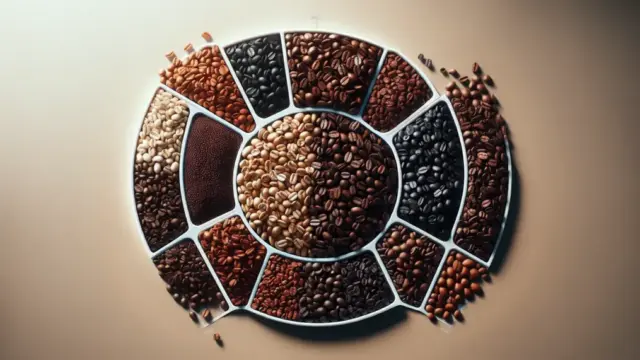
The roast level of coffee plays a significant role in its shelf life and expiry dates. Generally, lighter roasts maintain their freshness longer than darker roasts due to the lower oil content. Dark roasted beans tend to have a more intense flavor, but they can also go stale more quickly because the oils that develop during the roasting process can oxidize faster.
As a result, if you prefer dark roast coffee, consider consuming it sooner rather than later. On the other hand, lighter roasts might last a bit longer in your pantry, allowing you some flexibility in when to enjoy them. Regardless of your preference, understanding how roast levels affect freshness can help you make better choices in selecting beans that suit your taste.
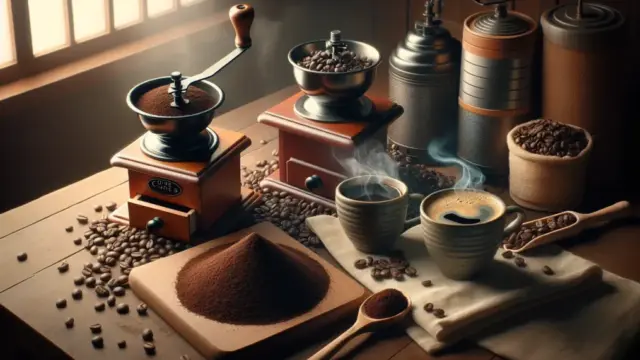
In addition, keep in mind that ground coffee has a shorter shelf life compared to whole beans, regardless of the roast level. Once coffee is ground, it exposes more surface area to air, leading to quicker degradation of flavor. So, if you’re serious about your coffee, investing in a good grinder can really make a difference in preserving that fresh taste.
- Lighter roasts last longer than darker roasts.
- Dark roasts should be consumed sooner for best flavor.
- Whole beans maintain freshness better than ground coffee.
How to Store Coffee
Freezing vs Room Temperature Storage
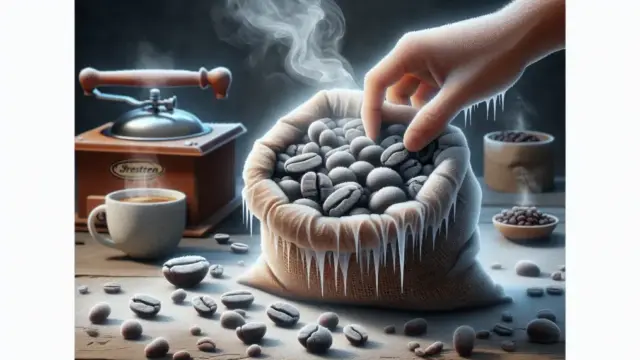
When it comes to storing your coffee, one of the biggest debates is whether you should freeze it or keep it at room temperature. Freezing can be a great option if you buy coffee in bulk and want to preserve its freshness for an extended period. The cold environment slows down the aging process, helping to retain the flavor and aroma. However, it’s essential to remember that once you take the coffee out of the freezer, you should only take out what you need. Repeatedly thawing and refreezing can introduce moisture and lead to stale coffee.
On the other hand, if you’re someone who enjoys your coffee on a daily basis, keeping it at room temperature might be the better choice. Just ensure that you store it in a cool, dark place away from direct sunlight and heat. This way, you can enjoy your coffee at its freshest without the risks associated with freezing.
- Freezing can extend shelf life but requires careful handling.
- Room temperature storage is ideal for regular consumption.
- Avoid repeatedly thawing and refreezing to maintain quality.
Choosing the Right Storage Container
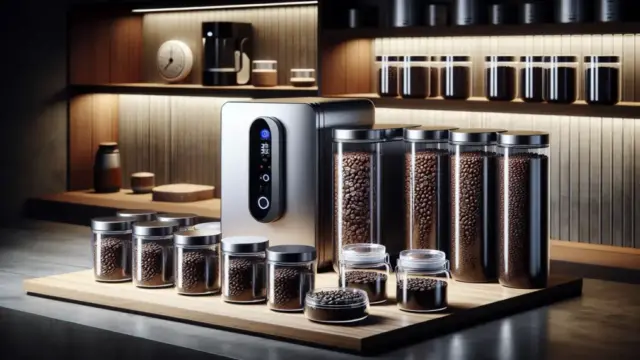
Selecting the right storage container is crucial for keeping your coffee fresh. Airtight containers are a must, as they protect your coffee from exposure to air, moisture, and odors. Glass or ceramic jars are excellent choices because they do not react with the coffee and can provide a great seal. If you prefer plastic, make sure it is food-grade and designed for coffee storage.
Another key factor is avoiding clear containers, even if they look appealing on your countertop. Light can degrade the quality of your coffee over time. Instead, opt for opaque containers that block out light. By taking these small steps in choosing your storage solution, you can significantly enhance the longevity of your coffee.
Lastly, consider labeling your containers with the roast date. This practice not only helps you keep track of freshness but also reminds you to enjoy your coffee before it starts to lose its charm. By being mindful of these storage tips, you can ensure that every cup remains a delicious experience.
- Use airtight containers to prevent exposure to air and moisture.
- Glass or ceramic containers are preferred for coffee storage.
- Avoid clear containers to protect against light degradation.
- Label containers with roast dates for freshness tracking.
Tips for Enjoying Coffee
How to Enjoy Coffee Beyond Its Expiration Date
It’s easy to get anxious about consuming coffee past its expiry date, but with a little knowledge, you can still enjoy those beans. First off, remember that the expiry date is more about flavor than safety, especially with coffee. If you’ve stored your coffee correctly and it still smells good, chances are it’s still drinkable. Use your senses—give it a smell, and if it still has a pleasant aroma, you’re likely in the clear.
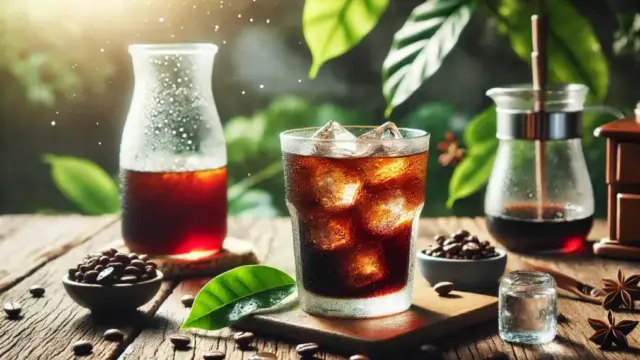
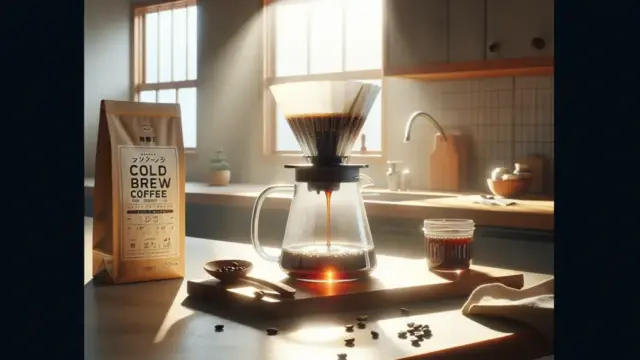
If you find yourself with coffee that’s just past its best before date, consider brewing it in a way that enhances its flavor. For instance, a cold brew method can be forgiving for older coffee. The slow extraction process can help smooth out any off-flavors that may have developed. Additionally, adding a splash of cream or a sprinkle of spices like cinnamon can help mask any minor taste changes.
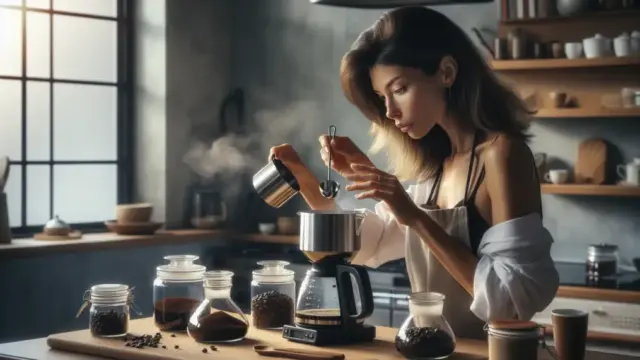
When it comes to brewing, be mindful of your water quality too. Using filtered water can make a significant difference in the final cup, especially if your coffee has started to lose some of its vibrancy. By paying attention to the brewing method and ingredients, you can still enjoy your coffee, even if it’s slightly past its prime.
- The expiry date often indicates flavor quality rather than safety.
- Cold brewing can enhance flavors in older coffee.
- Quality of water used for brewing can impact taste significantly.
Brewing Methods to Maximize Flavor
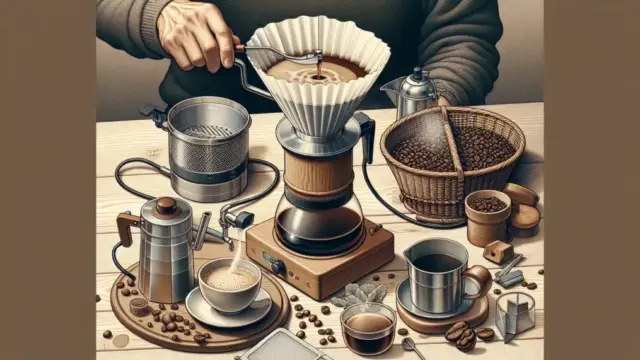
Maximizing flavor is all about choosing the right brewing method that complements the coffee you have. For instance, if you’re working with a lighter roast, consider using a pour-over technique. This method allows for more control over the brewing time and water temperature, bringing out the bright and fruity notes of the coffee. On the other hand, darker roasts shine when brewed with a French press, which can help highlight their rich and robust characteristics.
Experimenting with different grind sizes can also elevate your coffee experience. A coarser grind works well for methods like cold brew and French press, while a finer grind is ideal for espresso machines. Adjusting the grind size allows you to tweak the extraction process, ultimately enhancing the flavors of your brew.
Lastly, don’t forget to check the water temperature. Ideally, water should be around 195°F to 205°F for optimal extraction. Too hot, and you risk over-extracting the coffee, leading to bitterness; too cool, and the coffee might taste under-extracted or sour. By fine-tuning these elements, you can enjoy a more flavorful cup regardless of the coffee’s expiry date.
- Pour-over is great for lighter roasts, enhancing fruity notes.
- A French press is ideal for bringing out richness in darker roasts.
- Grind size and water temperature are key factors in brewing flavor.
Summary
In conclusion, understanding coffee expiry dates is essential for every coffee lover. Knowing the difference between “best before” and “expiration” dates can help you enjoy your coffee at its best. Even if your coffee is past its best before date, it might still be drinkable if stored properly. Using your senses, like smell and taste, can guide you in making the right decision about your coffee.
Proper storage techniques are equally important. Keeping your coffee in a cool, dark place in an airtight container can significantly prolong its freshness. If you choose to freeze your coffee, be mindful of how often you thaw it to avoid introducing moisture that can degrade quality. These small steps in storage can make a big difference in your coffee experience.
Finally, choosing the right brewing method can help you maximize the flavor of your coffee, especially if it’s near or past its expiry date. Whether you’re using a pour-over for lighter roasts or a French press for darker ones, experimenting with grind size and water temperature can lead to delightful outcomes.
- Understanding the difference between expiry and best before dates enhances your coffee enjoyment.
- Proper storage techniques are crucial for maintaining coffee freshness.
- Choosing the right brewing method can maximize flavor, even for older coffee.
We’d love to hear your thoughts! What are your favorite tips for enjoying coffee, especially when it comes to expiry dates? Share your experiences in the comments below!
Comment