
























Are you tired of your coffee beans losing their flavor far too quickly? It can be frustrating to spend money on quality beans only to find them stale before you get to enjoy that perfect cup. But don’t worry, because in this guide, we’ll explore the best storage methods to keep your coffee beans fresh and flavorful for as long as possible.
From understanding the ideal conditions for your beans to the right containers for storage, we’ll cover everything you need to know. So, whether you’re a casual coffee drinker or a passionate home brewer, you’ll find tips here that can elevate your coffee experience and help you savor every sip.
- Learn the best temperature and humidity levels for storing coffee beans.
- Discover which containers are most effective for preserving freshness.
- Find out common myths about coffee bean storage and what really works.
Basic Storage Methods to Keep Coffee Beans Fresh
Proper Temperature Management for Coffee Beans
When it comes to storing coffee beans, temperature plays a crucial role in preserving their flavor. Ideally, coffee beans should be kept in a cool, dark place, away from direct sunlight and heat sources. A temperature range between 60°F and 75°F is perfect for maintaining their freshness. If you store them in a kitchen cabinet away from the stove or refrigerator, you’re already on the right track.
On the other hand, if you live in a warmer climate, you might want to consider using a temperature-controlled storage option. Some coffee enthusiasts even use a wine fridge dedicated to their beans. This helps to ensure that the beans remain in optimal conditions, so you can enjoy that rich flavor with every brew.
The Relationship Between Humidity and Flavor
Humidity is another important factor that affects the taste of your coffee. Coffee beans are hygroscopic, which means they can absorb moisture from the air. When beans are exposed to high humidity, they can become stale or even develop mold. That’s why it’s essential to keep them in a dry environment. Ideally, you want to maintain a humidity level below 60%.
To combat humidity, make sure to store your coffee beans in an airtight container. Glass or ceramic jars with tight-fitting lids work well, as do vacuum-sealed bags. Just avoid using plastic bags, as they can trap moisture and negatively impact the beans’ flavor over time.
As you consider these storage methods, think about how you can create an environment that promotes freshness. It’s all about finding the right balance between temperature and humidity to ensure your coffee beans stay vibrant and flavorful. By taking these steps, you can look forward to brewing a delicious cup every time.
Choosing the Right Containers for Coffee Bean Storage
Features of Storage Containers by Material
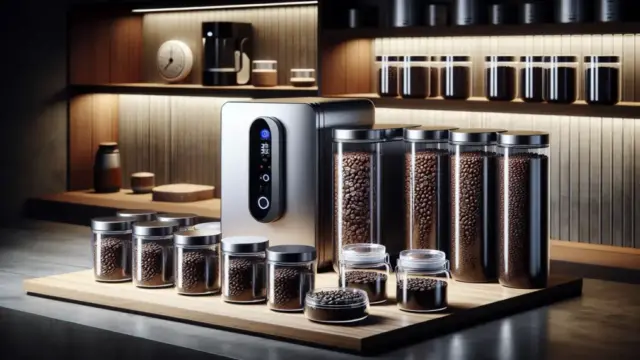
Selecting the right container for your coffee beans is essential for maintaining their freshness. Different materials have unique properties that can either help or hinder the preservation of flavor. For instance, glass containers are a popular choice because they are non-reactive and do not absorb odors. They allow you to see the beans inside, so you can keep track of your supply. However, make sure they are opaque or stored in a dark place, as light can degrade the beans over time.
Metal containers are another good option, especially those with an airtight seal. They protect against moisture and light effectively. However, you should be cautious with metal that can corrode over time. Stainless steel is a great choice since it’s both durable and resistant to rust. On the other hand, ceramic jars offer a stylish and effective way to store beans. They usually come with tight-fitting lids, creating a good barrier against air and moisture.
One of the critical features to consider is the airtight seal. No matter the material, if the container isn’t airtight, it won’t do much to keep your beans fresh. Look for containers that have a vacuum-sealed option or those designed specifically for coffee storage with specialized lids. This will help maintain a stable environment for your beans, ensuring they remain as flavorful as possible.
Furthermore, consider the size of the container. A container that’s too large may allow for excess air, which can lead to oxidation. Conversely, a container that’s too small might not accommodate all your beans comfortably. Aim for a container that fits your needs while allowing for a little extra space without overcrowding.
Types of Recommended Storage Containers
When it comes to choosing the best storage containers for your coffee beans, there are several types that stand out. Vacuum-sealed bags are excellent for long-term storage, especially if you buy in bulk. They remove air completely, significantly reducing the chances of oxidation. Just remember to use them carefully and only open them when you’re ready to brew.
Another popular option is dedicated coffee canisters. These often come with a CO2 valve that allows gas to escape without letting air in. This feature is particularly helpful since freshly roasted coffee beans release carbon dioxide, which can affect flavor if trapped. By using a canister with this design, you can keep your beans fresh for longer periods.
As a final note, consider the convenience of your storage solution. If you frequently enjoy coffee, having a container you can easily open and close will make your brewing routine smoother. The right container should not only preserve flavor but also fit seamlessly into your daily coffee rituals.
Daily Habits for Storing Coffee Beans
Storage Methods After Opening
Once you’ve opened a bag of coffee beans, the clock starts ticking on their freshness. It’s vital to adopt some daily habits to keep them in top shape. First, consider transferring your opened beans into an airtight container if they aren’t already in one. This simple step helps limit their exposure to air, which is one of the main culprits behind stale flavors.
Make sure you only take out what you need for your coffee-making session. Each time you open the container, you’re allowing air to seep in, which can lead to oxidation. If you’re using a bag, try to squeeze out as much air as possible before sealing it. If your beans are in a dedicated canister, just ensure the lid is tightly secured after each use.
Another important habit is to avoid storing your beans in the fridge or freezer, despite the common belief that it might help preserve freshness. The temperature fluctuations when you take them out can cause condensation, which is harmful. Instead, keep them in a cool, dark cabinet or pantry. This way, you can maintain a consistent environment for your coffee beans.
Timing and Management for Using Up Beans
Managing how quickly you go through your coffee beans can also impact their flavor profile. A good rule of thumb is to only buy what you can consume within a few weeks. Freshly roasted coffee beans are best enjoyed within 2 to 4 weeks after opening. If you find yourself with more beans than you can use in that time frame, consider adjusting your purchasing habits or even sharing with a friend.
Additionally, keep track of the roasting date when you buy your beans. Some bags will have a roast date printed on them. This little detail can help you plan your coffee consumption and ensure you’re enjoying your beans at their peak. By being mindful of this, you can avoid letting delicious coffee go to waste.
You might also want to establish a routine for when you brew your coffee. If you find that you have a specific time of day for your coffee ritual, try to match your purchasing habits to that schedule. This can help you use your beans more efficiently and keep them fresh longer.
Finally, consider rotating your stock. When you buy new beans, place them behind the older ones in your storage. This way, you’re more likely to use the beans that need to be consumed first, ensuring you’re always brewing with the freshest ingredients.
Common Misunderstandings About Coffee Bean Storage
Is Refrigeration Really Necessary?
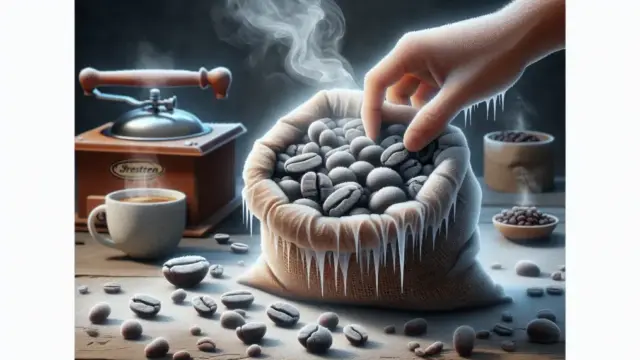
A common belief among coffee lovers is that storing coffee beans in the refrigerator can keep them fresh longer. However, this is a misconception that can actually harm the flavor of your beans. The temperature fluctuations that occur when you take the beans in and out of the fridge can lead to condensation. This moisture can cause the beans to become stale more quickly, and in some cases, even develop mold.
Instead of refrigerating your beans, consider keeping them in a cool, dark place like a pantry or cupboard. If you’re worried about heat, just make sure to store them away from any appliances that generate warmth. This simple adjustment can help maintain the rich flavors of your coffee for a longer period without the risks associated with refrigeration.
Impact and Solutions for Long-Term Storage
When it comes to long-term storage, many coffee drinkers are unsure about the best methods. One misconception is that freezing coffee beans is a guaranteed way to preserve their freshness. While it can work if done correctly, there are some important factors to consider. If you choose to freeze your beans, it’s crucial to use vacuum-sealed bags to prevent moisture from getting in. Otherwise, the beans can lose their flavor and aroma.
Another effective solution for long-term storage is to buy smaller quantities of coffee. This way, you can enjoy your beans at their peak freshness without needing to resort to freezing. If you typically brew coffee daily, consider purchasing enough for one to two weeks. This helps ensure that you’re always working with beans that deliver vibrant flavors.
Lastly, if you do find yourself with excess beans, think about sharing them with friends or family. Not only does this help avoid waste, but it can also turn into a fun coffee tasting experience. By spreading the love for fresh coffee, you get to enjoy new flavors while ensuring your own beans remain fresh and flavorful.
Conclusion
Storing coffee beans properly is essential for maintaining their flavor and freshness. By taking the time to understand the ideal conditions for storage, you can significantly enhance your coffee experience. Whether it’s about keeping the right temperature or choosing the right container, every little detail contributes to that perfect cup of coffee.
Daily habits also play a vital role in how long your beans stay fresh. Simple practices like transferring opened beans to airtight containers and managing how much you purchase can make a big difference. The more mindful you are about storage, the more you’ll enjoy the rich flavors that fresh coffee has to offer.
It’s important to dispel some common myths surrounding coffee storage. Refrigerating your beans or relying solely on freezing them might not be the best choices. Instead, sticking to cool, dark places and using proper containers can help avoid unnecessary spoilage and preserve the distinctive taste you love.
In summary, here are the key points to remember for optimal coffee bean storage:
- Maintain a cool, dark environment with stable humidity levels for your beans.
- Use airtight containers made of glass, metal, or ceramic to protect against air and moisture.
- Avoid refrigeration and focus on daily habits that promote freshness.
I’d love to hear your thoughts on coffee storage methods. Feel free to leave a comment below and share your favorite tips!
Comment