














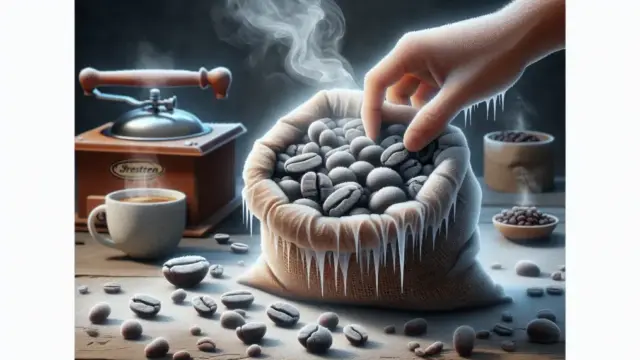









Are you a coffee lover looking to maximize the flavor of your brew? Understanding how to properly store your coffee beans is essential for enjoying the rich and aromatic experience that each cup can offer. In this article, we’ll dive into the secrets of preserving the freshness of coffee beans at room temperature, ensuring that you get the best out of every sip.
Many coffee enthusiasts may not realize that the way you store your beans can significantly impact their taste. While some might think refrigeration is the best option, storing coffee at room temperature can actually help maintain its flavor profile. We’ll explore the benefits of this method and how to choose the right storage container to keep your beans in top condition.
Whether you’re just starting your coffee journey or you’re a seasoned aficionado, knowing how to handle coffee beans properly is key. From understanding the roasting process to recognizing the importance of storage, this guide will equip you with the knowledge to enjoy your coffee like never before.
- Learn the benefits of storing coffee beans at room temperature.
- Discover how to choose the right container for optimal freshness.
- Understand the importance of proper handling for maintaining flavor.
How to Choose Coffee Beans and Its Importance
Types of Beans and Their Characteristics
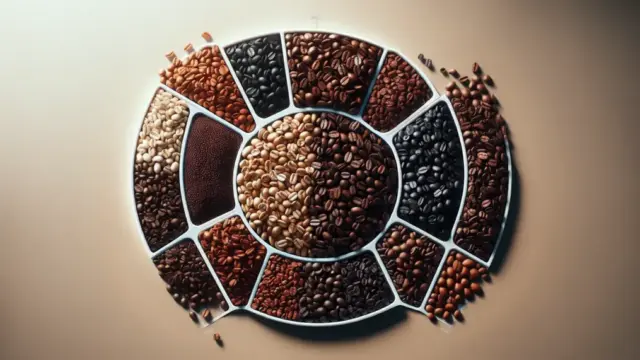
When it comes to coffee, understanding the different types of beans is a crucial step in your brewing journey. The most popular types are Arabica and Robusta, each bringing unique flavors and aromas to your cup. Arabica beans are known for their smooth and mild taste, often featuring hints of sweetness and acidity. On the other hand, Robusta beans tend to have a stronger, more bitter flavor, with a higher caffeine content.
The choice between these two can greatly influence the overall experience of your coffee. For example, if you prefer a rich and complex flavor, Arabica might be the way to go. However, if you enjoy a bolder kick in your cup, Robusta could be your best bet. Additionally, there are various other beans from regions like Ethiopia, Colombia, and Brazil, each with distinct profiles that can enhance your coffee-drinking experience.
Moreover, factors like the roast level of the beans also play a significant role in flavor. Light roasts tend to preserve the beans’ natural characteristics, while dark roasts often bring out richer, smokier tones. This variety allows you to experiment and find what truly resonates with your palate.
- Understand the difference between Arabica and Robusta.
- Explore various origins and their unique flavor profiles.
- Consider the roast level for a tailored taste experience.
Choosing Beans That Suit You
Selecting the right coffee beans is not just about choosing a type; it’s about finding what suits your taste and brewing method. Start by considering how you usually prepare your coffee. For instance, if you enjoy espresso, you might want to opt for a medium to dark roast that enhances the richness in a shorter extraction time. Conversely, if you prefer drip coffee, a lighter roast could bring out more delicate flavors.
It’s also helpful to pay attention to freshness. Always check the roast date on the packaging, as fresher beans will provide a more vibrant taste. When shopping, don’t hesitate to ask for samples or try different blends until you find the one that captivates your taste buds.
Lastly, consider your personal preferences. Do you enjoy fruity notes, or do you lean towards chocolatey undertones? Understanding what flavors you love will make it easier to select beans that will delight you with each cup.

If you found this article intriguing, you might also appreciate our piece on The Ultimate Guide for Beginners: Choosing and Storing Coffee Beans!, which dives deeper into the selection and preservation of coffee beans to enhance your brewing experience. This guide is designed to help both novices and seasoned coffee lovers explore the rich world of coffee.
- Think about your preferred brewing method.
- Look for fresh beans with a recent roast date.
- Explore the flavor notes that excite your palate.
Basics of Roasting and Flavor of Beans
Roasting Process
Roasting coffee beans is an art that transforms the raw, green beans into the aromatic delights we love. The process involves heating the beans at high temperatures, which causes chemical changes that develop their unique flavors and aromas. This is where the magic happens, and it all starts with understanding the roasting stages.
As the beans roast, they undergo different stages, from the first crack to the second crack, each bringing out distinct flavor profiles. Lighter roasts, for instance, tend to preserve the beans’ original characteristics, showcasing their origin’s unique notes. In contrast, darker roasts bring out bolder flavors, often introducing smoky or chocolatey undertones. Knowing how this process works can enhance your appreciation of each cup you brew.
- Roasting transforms green beans into flavorful coffee.
- Different roasting stages influence flavor and aroma.
- Light roasts preserve original characteristics, while dark roasts introduce bolder flavors.
Flavor Differences by Roast Level
Understanding the flavor differences based on roast levels can elevate your coffee experience. When you explore light roasts, you’ll notice a bright acidity and a more pronounced fruity flavor. These beans often retain the unique qualities of their origin, making them a favorite for those who enjoy a nuanced cup.
On the other hand, medium roasts strike a balance between acidity and body. They offer a well-rounded flavor, making them versatile for various brewing methods. This roast level is often considered the sweet spot for many coffee drinkers, as it brings out a nice depth while still highlighting the beans’ natural flavors.
Now, if you venture into dark roasts, prepare for a bold experience. These beans are roasted longer, which results in a reduced acidity and a richer, more robust flavor. You’ll often find notes of chocolate, caramel, or even a slight smokiness that can be quite comforting. Dark roasts are ideal for those who enjoy a strong, full-bodied cup that warms the soul.
It’s also worthwhile to experiment with different roast levels to discover what resonates with your palate. Don’t hesitate to try a variety of blends and origins, as this will help you understand how roasting impacts flavor. The world of coffee is vast, and each roast level opens up new avenues for exploration.
If you’re intrigued by how roasting affects the flavor of your coffee, you might also find it beneficial to read more about the importance of choosing and storing fresh coffee beans. Check out this article: Discover How to Choose Fresh Coffee Beans and Keep Them Fresh!, where you’ll learn valuable tips to maintain the quality and flavor of your beans.
- Light roasts feature bright acidity and fruity notes.
- Medium roasts balance acidity and body for a versatile flavor.
- Dark roasts offer bold, rich flavors with reduced acidity.
- Experimenting with roast levels helps you find your personal preference.
How to Store Coffee Beans
Benefits of Room Temperature Storage
When it comes to storing coffee beans, many people might be surprised to learn that room temperature storage is often the best option. Keeping your beans at a consistent, moderate temperature helps maintain their freshness and flavor. This is because extreme temperatures, whether hot or cold, can alter the delicate oils and compounds that contribute to the rich taste of your coffee.
Storing coffee beans in a cool, dry place not only prevents moisture from seeping in but also helps avoid the risk of condensation, which can negatively impact flavor. Room temperature storage allows the beans to breathe, preserving their natural aroma and taste. By choosing this method, you are setting yourself up for a consistently delicious cup of coffee every time.
Moreover, when you store your beans at room temperature, it becomes easier to manage your coffee supply. You can keep them within reach and enjoy a fresh brew whenever the craving strikes. After all, coffee is meant to be savored and enjoyed, and proper storage plays a significant role in that experience.
- Room temperature helps preserve flavor and aroma.
- Avoids moisture and condensation that can damage beans.
- Makes it convenient to access your coffee supply.
Choosing the Right Storage Container
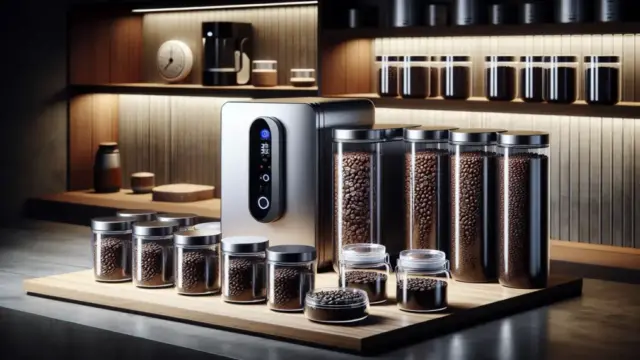
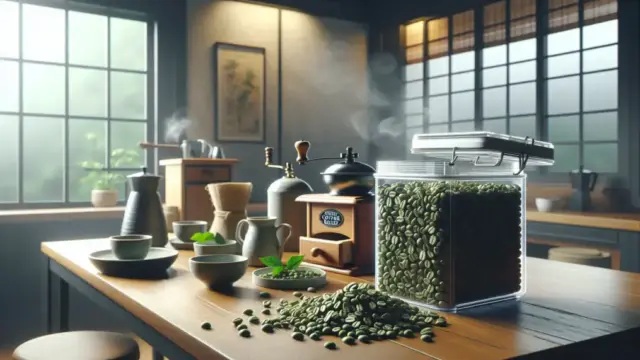
Selecting the right storage container is just as crucial as the temperature at which you keep your coffee beans. An airtight container is essential for keeping out light, air, and moisture that can compromise the quality of your beans. A dark, opaque container made of glass or ceramic is often ideal, as it provides a protective barrier against harmful elements.
When choosing a container, consider its size. You want to select one that can hold your coffee supply without leaving too much empty space. Excess air in a large container can lead to quicker oxidation, which diminishes flavor. If you buy in bulk, consider dividing your beans into smaller portions and using multiple containers to keep them fresh longer.
Additionally, avoid storing your beans in the refrigerator or freezer, as these environments can introduce unwanted moisture and odors. Instead, a dedicated coffee canister with a one-way valve can be a great option. This allows gases emitted by the beans to escape while keeping air out, ensuring your coffee stays fresh for as long as possible.
In summary, investing in the right storage solution can enhance your overall coffee experience. By combining room temperature storage with an appropriate container, you can maintain the delightful flavors of your coffee beans and enjoy every sip to the fullest.
- Use an airtight container to protect beans from light and moisture.
- Choose a container size that minimizes air exposure.
- Avoid refrigeration to prevent moisture and odors.
- Consider a dedicated coffee canister with a one-way valve for optimal freshness.
Handling Coffee Beans at Room Temperature
Maintaining Flavor at Room Temperature
Keeping your coffee beans at room temperature is all about maintaining that fresh, delightful flavor we all crave. One of the key factors is to ensure that the environment where your beans are stored is not too hot or too cold. A stable room temperature reduces the risk of moisture buildup and helps preserve the oils and aromatic compounds that contribute to the richness of your coffee.
Additionally, think about how often you access your coffee. Regularly opening and closing a container can introduce air, which might lead to oxidation. To prevent this, try to limit exposure by storing only what you need for a short period and keeping the rest sealed tightly. This way, you can enjoy the full spectrum of flavors every time you brew.
Lastly, consider the light exposure as well. While room temperature is key, keeping your beans in a dark place will further enhance their longevity. The combination of controlled temperature and minimal light is essential for maintaining the freshness and taste of your coffee beans.
- Store beans in a stable, moderate temperature.
- Limit exposure by only keeping a small amount accessible.
- Keep beans in a dark place to protect from light.
Proper Shelf Life and Management
Understanding the shelf life of your coffee beans is crucial for enjoying the best flavor. Generally, whole coffee beans can remain fresh for about two to four weeks after roasting if stored properly at room temperature. However, once you open a bag, the clock starts ticking, and it’s best to consume the beans as soon as possible for optimal taste.
To manage your coffee supply effectively, consider labeling your containers with the roast date. This simple practice helps you keep track of freshness and ensures you’re brewing with the best beans. If you buy larger quantities, think about dividing them into smaller portions, so you have a consistent supply of fresh coffee without overwhelming yourself with too much at once.
Incorporating these practices into your coffee routine will not only enhance the flavor of your brews but also make your coffee experience much more enjoyable. Remember, fresh beans lead to a better cup, so taking the time to manage your storage will pay off with each sip.
If you’re curious about how your choice of coffee beans and the quantity you use can impact the flavor of your brew, then you won’t want to miss this article, “Exploring How Coffee Bean Choices and Quantity Define Flavor”. It dives deep into the relationship between bean selection and the richness of your coffee, complementing the storage tips we’ve discussed.
- Whole beans stay fresh for 2-4 weeks if stored properly.
- Labeling containers with roast dates helps monitor freshness.
- Divide larger quantities into smaller portions for consistent quality.
Summary
In conclusion, understanding how to properly store your coffee beans at room temperature is vital for preserving their rich flavor and aroma. By choosing the right storage container and maintaining a stable environment, you can enhance your coffee-drinking experience. Remember that room temperature storage helps to avoid moisture and oxidation, which can compromise the quality of your beans.
Additionally, managing your coffee supply by labeling containers and dividing larger quantities into smaller portions ensures that you always have fresh coffee on hand. This simple practice can significantly improve the taste of your brews. Ultimately, the way you store your coffee is just as important as the beans you choose.
With these essential tips in mind, you’re well-equipped to enjoy every cup of coffee to the fullest. Embrace the journey of coffee exploration and savor the delightful flavors that await you.
- Storing coffee beans at room temperature preserves their flavor and aroma.
- Use airtight containers to protect beans from light, air, and moisture.
- Regularly manage your coffee supply for a consistently fresh brew.
What are your favorite tips for storing coffee beans? Feel free to share your thoughts or any additional advice in the comments below!
Comment