


















Discovering the latest coffee trends can be an exciting journey for both beginners and seasoned enthusiasts alike. With so many new styles and brewing techniques emerging, it’s easy to feel overwhelmed. But don’t worry! This guide will help you navigate the ever-evolving world of coffee, making it simpler for you to find your perfect cup.
In this article, we’ll explore the recent trends that are shaping the coffee scene, from unique bean varieties to innovative brewing methods. You’ll learn how to select the ideal beans based on their flavors and characteristics, ensuring that every sip is a delightful experience. Plus, we’ll delve into the importance of roasting and how it influences the taste of your brew.
We’ll also cover practical tips for brewing at home, so you can master the art of coffee making without needing fancy equipment. Whether you’re looking to impress friends or simply enjoy a great cup on your own, there’s something here for everyone.
Get ready to embark on a flavorful adventure as we uncover the latest trends and techniques in the coffee world. Let’s brew up some fun and find out what’s hot in coffee today!
- Explore the latest coffee trends and styles
- Learn how to choose the right beans for your taste
- Master the art of brewing at home with expert tips
What Are the Latest Coffee Trends? Checking Out the Newest Styles
Recent Popular Trends in Coffee
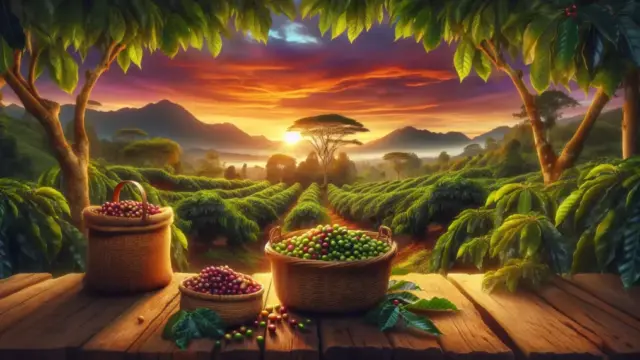
As we dive deeper into the world of coffee, it’s clear that new trends are popping up all the time. One of the most exciting developments is the rise of sustainable coffee practices. Many coffee drinkers are becoming more conscious of where their beans come from and how they are produced. This shift towards sustainability is not just a trend; it’s a movement that reflects our growing awareness of the environment and ethical sourcing.
Another trend that’s gaining traction is the popularity of specialty coffee. This isn’t just about high-quality beans; it’s about the entire experience. From single-origin coffees to unique brewing methods, enthusiasts are exploring different flavors and aromas like never before. This focus on quality over quantity encourages coffee lovers to savor each cup, making every sip a moment of enjoyment.
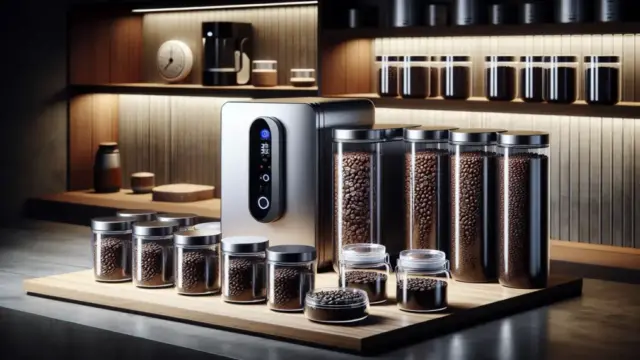
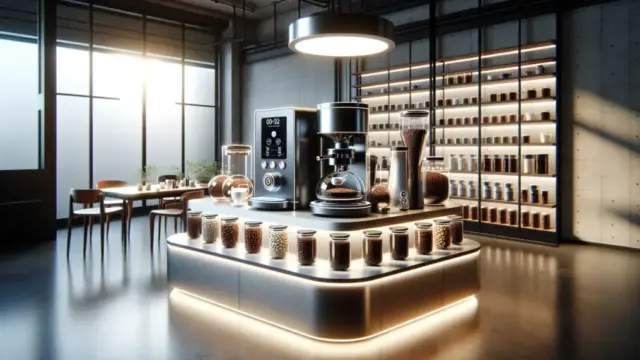
Finally, let’s not forget about the influence of technology on coffee brewing. Smart coffee makers and apps that track your brewing preferences are becoming commonplace. These innovations make it easier than ever to enjoy a perfectly brewed cup at home, catering to personalized tastes and preferences.
- Sustainable coffee practices are on the rise.
- Specialty coffee focuses on quality and unique experiences.
- Technology enhances home brewing with smart devices.
New Styles and Experiences
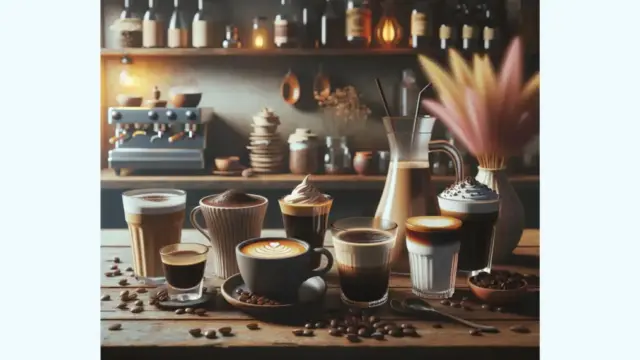
In addition to these trends, new styles of coffee drinks are hitting the scene, and they’re as diverse as the coffee drinkers themselves. One standout is the emergence of coffee cocktails. Combining the rich flavors of coffee with spirits creates an entirely new experience that’s both sophisticated and fun. Think cold brew mixed with whiskey or espresso paired with a splash of rum for a refreshing twist.
Moreover, coffee shops are stepping up their game by offering unique tasting experiences. Many places now host coffee tastings, similar to wine tastings, where you can explore different beans and brewing methods. This interactive approach allows you to learn about the nuances of flavor and aroma in a social setting, making coffee appreciation more accessible and enjoyable.
Another exciting development is the rise of non-traditional coffee alternatives. With the growing popularity of plant-based diets, many cafes are now offering coffee made with alternatives like oat milk or almond milk, providing new textures and flavors that appeal to a wider audience. These options not only cater to dietary preferences but also promote creativity in coffee preparation.
As we explore these new styles and experiences, it’s evident that the coffee landscape is evolving. With each trend, there’s an opportunity to discover something new and exciting. Whether it’s experimenting with coffee cocktails or attending a tasting event, the world of coffee continues to inspire and delight enthusiasts everywhere.

If you’re intrigued by the diverse world of coffee, you might find it fascinating to explore how different types of beans impact flavor profiles. For a deeper understanding of this topic, check out the article Discover How the Thickness of Coffee Beans Changes Their Flavor!, where you’ll learn about the intricate relationship between bean thickness and flavor nuances.
- Coffee cocktails are a fun new trend.
- Coffee tastings offer an interactive experience.
- Non-traditional alternatives expand flavor options.
- The evolving landscape keeps coffee exciting and fresh.
The Art of Choosing Beans: Finding Your Perfect Brew
Types and Characteristics of Coffee Beans
When it comes to coffee, the type of bean you choose plays a significant role in the overall flavor and experience. There are primarily two types of coffee beans that are popular among enthusiasts: Arabica and Robusta. Arabica beans are known for their smooth, complex flavors, often boasting hints of sweetness and acidity. On the other hand, Robusta beans tend to have a stronger, more bitter taste, making them ideal for espresso blends due to their rich crema.
Understanding the differences between these beans can help you make informed choices. For instance, if you prefer a milder cup with fruity notes, Arabica might be your go-to. Conversely, if you enjoy a bolder, more intense flavor profile, you might gravitate towards Robusta. The origin of the beans also matters, as different regions produce distinct flavor characteristics influenced by the local climate and soil conditions.
- Arabica beans have smooth, complex flavors.
- Robusta beans are stronger and more bitter.
- The origin of beans affects their taste profile.
Tips for Selection
Choosing the right coffee beans can feel overwhelming with so many options available. But don’t worry! Here are some useful tips to help you select the perfect beans for your brewing adventures. First, think about your taste preferences. Do you enjoy fruity, floral notes or do you lean towards chocolatey, nutty flavors? Identifying what you like will guide your selection process.
Next, consider the roast level. Light roasts tend to preserve the beans’ natural flavors, while dark roasts offer a more robust taste. If you’re unsure which roast suits you best, trying a variety pack can be a fun way to experiment. You might discover a new favorite along the way.
Another factor to keep in mind is the freshness of the beans. Coffee tastes best when it’s freshly roasted, so look for local roasters or specialty shops that prioritize freshness. Many places even let you taste before you buy, giving you a chance to find the perfect match for your palate.
Lastly, don’t hesitate to ask for recommendations! Baristas and coffee shop staff are often passionate about their craft and can offer insights based on your preferences. Building a relationship with your local coffee roaster can also open doors to discovering unique blends and limited-edition offerings that you might not find elsewhere.
- Identify your taste preferences before selecting beans.
- Experiment with different roast levels to find your favorite.
- Look for freshly roasted beans for the best flavor.
- Seek recommendations from knowledgeable staff at coffee shops.
The Importance of Roasting: The Process That Defines Flavor
Basics of Roasting
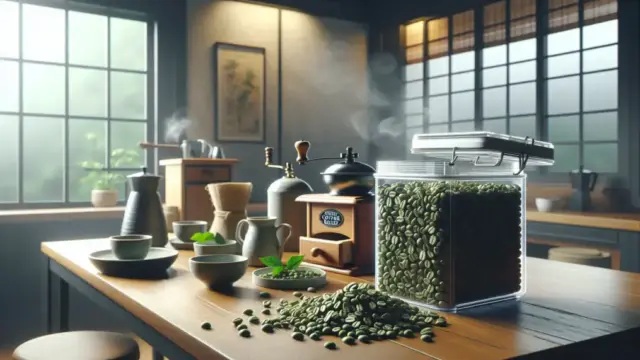
Roasting is a crucial step in the coffee-making process that can significantly influence the flavor of your brew. This is where the magic happens, transforming green coffee beans into the aromatic and flavorful beans we love. The process involves applying heat to the beans, causing a series of chemical reactions that develop their unique characteristics.
During roasting, beans go through several stages, starting from the initial drying to the first crack, and finally reaching the desired roast level. Each stage brings out different flavors, and the duration of roasting plays a key role in determining the final taste. It’s fascinating to think that the same type of bean can produce vastly different flavors depending on how long and at what temperature it is roasted.
As you explore various coffee options, understanding the roasting process can enhance your appreciation for the craft. It opens a new dimension to your coffee experience, inviting you to consider how the roast level aligns with your personal taste preferences.
Selecting the right roast can elevate your coffee enjoyment, making it worth the effort to learn about this essential aspect of coffee preparation.
- Roasting transforms green beans into flavorful coffee.
- The process involves different stages that affect the final taste.
- The duration and temperature of roasting are crucial.
Flavor Characteristics by Roast Level
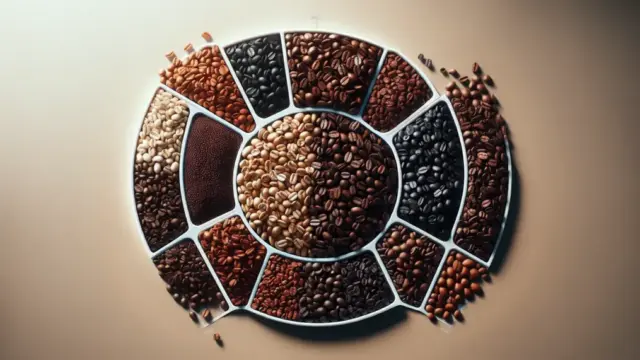
The roast level of coffee beans has a direct impact on their flavor profile. Generally, there are three main categories of roasts: light, medium, and dark. Each category brings out distinct characteristics that cater to different preferences.
Light roasts are known for their bright, fruity notes, often highlighting the natural flavors of the beans. They retain more of the original taste, showcasing the unique qualities of the bean’s origin. If you enjoy a delicate and nuanced cup, this roast might be your perfect match.
Medium roasts strike a balance between the brightness of light roasts and the richness of dark roasts. This roast level often brings out a well-rounded flavor with a touch of sweetness and a hint of acidity. It’s a popular choice among coffee drinkers who appreciate a more versatile flavor profile.
Dark roasts, on the other hand, offer bold and robust flavors with deep chocolatey and smoky notes. The roasting process emphasizes the bitterness and creates a full-bodied cup that many espresso lovers adore. If you’re looking for a strong and intense experience, dark roast could be the way to go.
With each roast level, there’s a whole world of flavors waiting to be explored, making your coffee adventure all the more exciting. Understanding these differences can help you select the perfect roast for your next cup, allowing you to tailor your coffee experience to your personal tastes.
- Light roasts highlight bright, fruity notes.
- Medium roasts provide a balanced flavor profile.
- Dark roasts offer bold and robust flavors.
Perfect Brewing Methods: Pro Techniques You Can Do at Home
Basics of Brewing and Equipment
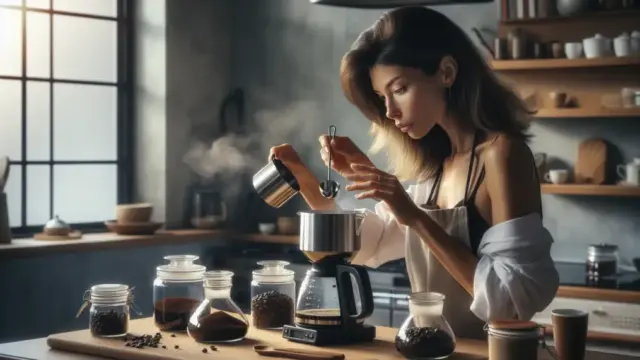
Now that you have a solid understanding of coffee beans and roasting, it’s time to dive into the art of brewing. The brewing process is where all your earlier choices come together to create that perfect cup of coffee. But before we get into the details, let’s talk about the equipment you’ll need.
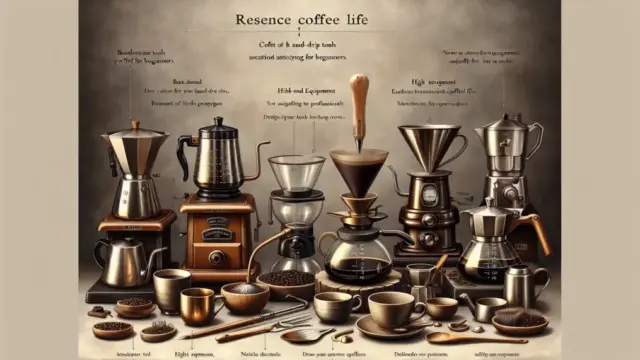
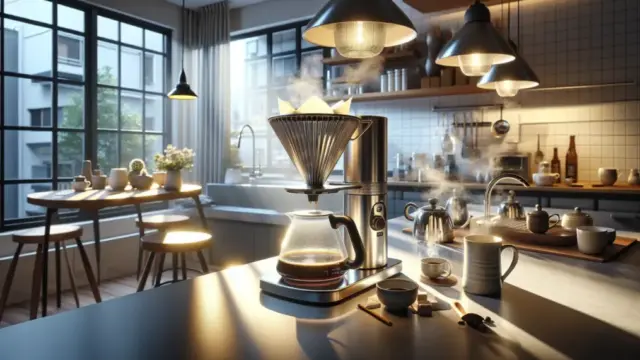
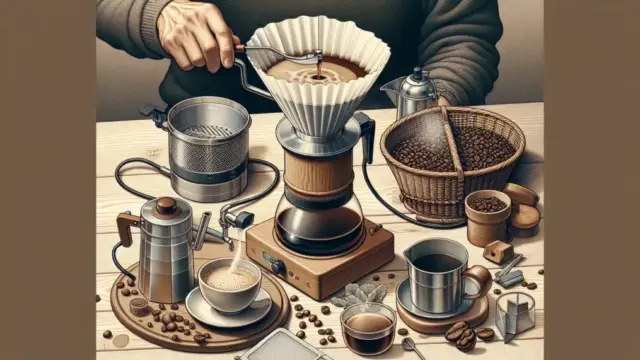
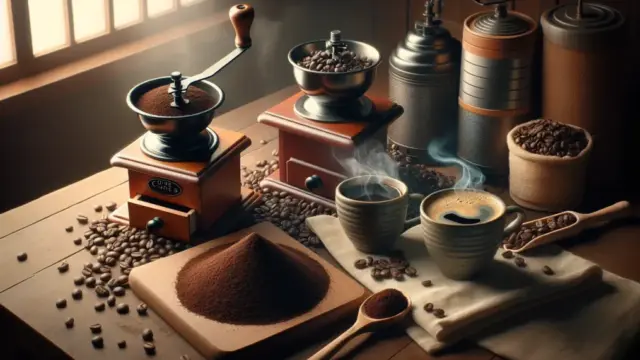
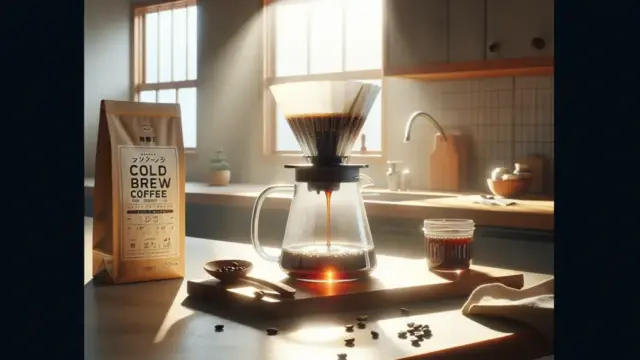
A simple setup can go a long way. You don’t have to invest in fancy machines right away. Start with a quality coffee maker, a French press, or even a pour-over setup. These methods are user-friendly and can produce delicious coffee without breaking the bank. You’ll also want a grinder to ensure your beans are freshly ground, as this greatly impacts the taste.
Understanding the basics of brewing is essential. The grind size of your coffee beans should match your brewing method. For instance, coarse grinds are better for French presses, while finer grinds are ideal for espresso machines. Experimenting with different grinds can help you find what works best for your taste.
Finally, always remember to use clean and filtered water. The quality of your water can make a significant difference in the final flavor of your coffee. With the right equipment and a little practice, you’ll be well on your way to brewing like a pro.
- Start with user-friendly brewing methods.
- Invest in a good grinder for fresh coffee.
- Match grind size to your brewing method.
The Importance of Brew Time and Temperature
When it comes to brewing coffee, timing and temperature play a crucial role in achieving the best flavor. Each brewing method has its ideal temperature range, typically between 195°F to 205°F (90°C to 96°C). Brewing at this temperature range helps extract the flavors without over-extracting bitterness, creating a harmonious cup.
Brew time is just as important. Different methods require varying brew times to achieve the perfect balance. For example, a French press generally needs about four minutes to steep, while a pour-over might take only three minutes. If you brew for too long, you risk bitterness; if you brew for too little time, you might end up with a weak cup.
As you experiment with your brewing, take notes on the time and temperature settings that yield the best results for your taste preferences. This practice will help you fine-tune your technique and discover the flavors that you enjoy the most. With patience and practice, you’ll master these crucial elements and take your coffee game to the next level.
If you found this article insightful, you might also appreciate our piece on Discover the Charm of Medium Ground Coffee Beans! A Complete Guide to Selection and Brewing, which delves into the selection and brewing methods for medium ground coffee. Understanding these nuances can further elevate your coffee brewing skills and enhance your daily coffee experience.
- Ideal brewing temperature enhances flavor extraction.
- Timing affects the balance between bitterness and strength.
- Experiment and take notes to find your perfect brew.
Summary of Coffee Trends and Insights
As we wrap up our exploration of the vibrant world of coffee, it’s clear that the trends shaping the coffee landscape are both exciting and diverse. From the rise of sustainable practices to the popularity of specialty coffee and innovative brewing methods, there’s something for every coffee lover to enjoy. These trends reflect a growing appreciation for high-quality ingredients and unique experiences, encouraging us to savor our coffee moments.
Additionally, understanding the importance of bean selection, roasting levels, and brewing techniques will elevate your coffee experience. Whether you prefer a light, fruity brew or a bold, dark cup, knowing how to choose the right beans and techniques will help you craft the perfect cup at home. Embrace these trends and let them inspire your coffee adventures!
- Sustainable practices are becoming a priority for coffee drinkers.
- Specialty coffee emphasizes quality and unique tasting experiences.
- Exploring different brewing methods can enhance your enjoyment of coffee.
Feel free to share your thoughts on the latest coffee trends or your favorite brewing techniques in the comments below! We’d love to hear from you.
Comment