




















































Discovering the world of coffee can be an exciting journey, especially when it comes to understanding the different types of coffee beans available. Each variety has its unique characteristics and flavors that can transform your morning cup into a delightful experience. Whether you’re a casual coffee drinker or a seasoned aficionado, knowing the types of coffee beans can help you find your perfect brew.
As you explore the different options, you’ll discover that not all coffee beans are created equal. From the fruity notes of a light roast to the rich, bold flavors of a dark roast, each type offers something special. This article is here to guide you through the fascinating world of coffee beans and help you make informed choices when selecting your next bag.
We’ll cover the basics of coffee beans, including their types and characteristics, so you can understand what sets them apart. You’ll also learn about roasting techniques and how they influence flavor, as well as various brewing methods to enhance your coffee experience. By the end, you’ll be well-equipped to store and manage your coffee beans to maintain their freshness.
So, grab your favorite mug and get ready to dive into the wonderful world of coffee! Together, we’ll explore the rich history, diverse cultures, and the enjoyable nuances of each coffee type that make this beloved beverage so special.
- Understand the different types of coffee beans and their unique characteristics
- Learn about roasting techniques and how they affect flavor
- Discover various brewing methods to enhance your coffee experience
Basic Knowledge of Coffee Beans
What Are Coffee Beans?
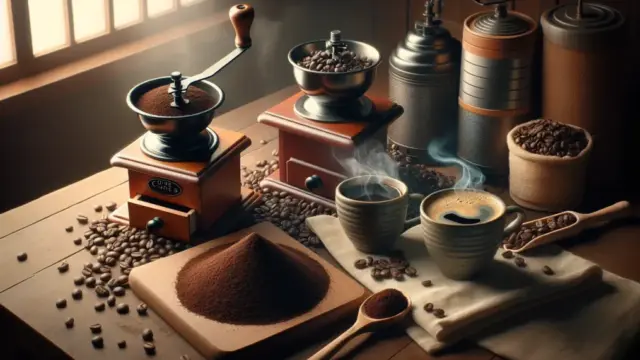
Coffee beans are actually the seeds of the coffee cherry, a fruit that grows on coffee trees. When you think of coffee, you might picture the roasted beans that end up in your cup, but it’s interesting to note that these beans start as bright red cherries. Once harvested, the cherries are processed to extract the seeds, which are then dried and roasted to develop the flavors we love.
The journey from cherry to bean is quite fascinating. After harvesting, the cherries go through various processing methods, including washed, natural, and honey processes. Each of these methods can significantly influence the final flavor profile of the coffee. Understanding the origins and processing of coffee beans can deepen your appreciation for this beloved beverage.
As we delve deeper into the types of coffee beans, it’s essential to recognize that every bean carries its own story. Factors such as the region where the coffee is grown, the altitude, and the climate all play a role in shaping the taste. This knowledge can help you choose beans that align with your personal preferences.
- Coffee beans are seeds from coffee cherries.
- The processing method affects the flavor profile.
- Factors like region, altitude, and climate influence taste.
Types and Characteristics of Coffee
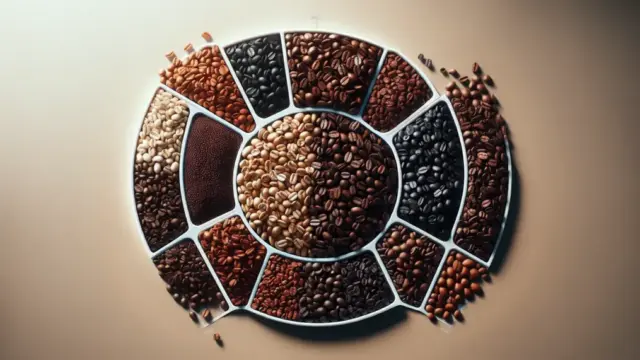
When it comes to coffee, there are several main types of beans, each with distinct characteristics that make them unique. The two most common varieties are Arabica and Robusta. Arabica beans are known for their sweet, soft flavors and vibrant acidity, making them a favorite among coffee enthusiasts. On the other hand, Robusta beans tend to have a stronger, more bitter taste and are often used in espresso blends for their rich crema.
Exploring these types can help you understand what you might enjoy most in your cup. For instance, if you prefer a smooth and nuanced flavor, Arabica is likely your best bet. However, if you’re looking for a bold and powerful kick, Robusta could be the way to go.
As you continue your coffee journey, you’ll find that the choice of beans can dramatically change your coffee experience. Understanding these differences will empower you to make better choices, whether you’re selecting beans for your morning brew or trying something new at your local café.
- Arabica beans are sweet and soft with vibrant acidity.
- Robusta beans are stronger and more bitter, ideal for espresso.
- Your choice of beans can dramatically affect your coffee experience.
Roasting Techniques
The Roasting Process
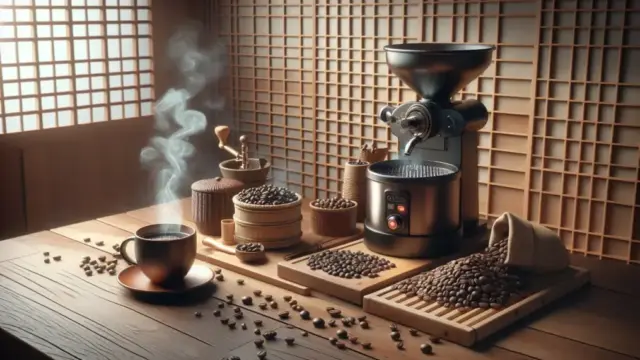
Roasting is a crucial step in bringing out the flavors of coffee beans, and it’s fascinating to understand how this process works. When green coffee beans are roasted, they undergo a series of chemical changes that transform them into the aromatic, brown beans we recognize. The roasting temperature and time play significant roles in determining the final taste and aroma of the coffee.
During roasting, the beans lose moisture and develop complex flavors. This process is also where the Maillard reaction occurs, contributing to the rich, toasty notes that many coffee lovers adore. Additionally, as the beans heat up, they expand and change color, going from green to yellow, then brown, and finally reaching the desired roast level. It’s amazing how a simple process can lead to such a wide variety of flavors and aromas.
The skill of the roaster is vital in achieving the perfect roast. Different roasters have their unique techniques and preferences, which can result in significant variations in flavor. As you explore different coffee varieties, you’ll start to notice how roasting can enhance or mellow the inherent qualities of each bean.
- Roasting transforms green beans into aromatic brown beans.
- The Maillard reaction contributes to flavor development.
- Roasting time and temperature influence the final taste.
Flavor Differences by Roast Level
As you dive deeper into the world of coffee, understanding the different roast levels will help you find your ideal brew. There are generally three main roast levels: light, medium, and dark. Each level offers a distinct flavor profile that can greatly affect your coffee experience.
Light roasts are known for their bright acidity and vibrant flavors, often showcasing the unique characteristics of the beans. On the other hand, medium roasts strike a balance between acidity and body, creating a well-rounded cup that appeals to many coffee drinkers. Dark roasts, in contrast, tend to have a bold and rich flavor, often with a smoky or bittersweet taste that can be quite comforting.
Experimenting with different roast levels can be a fun way to discover what you enjoy most. Whether you prefer the lighter, fruitier notes or the deeper, more robust flavors, there’s a roast out there waiting to delight your palate.
- Light roasts are bright and showcase bean characteristics.
- Medium roasts offer a balanced flavor profile.
- Dark roasts provide bold and rich flavors.
Diversity of Brewing Methods
Types of Brewing Methods
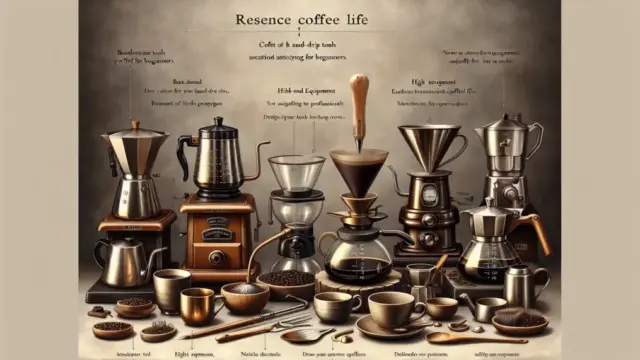
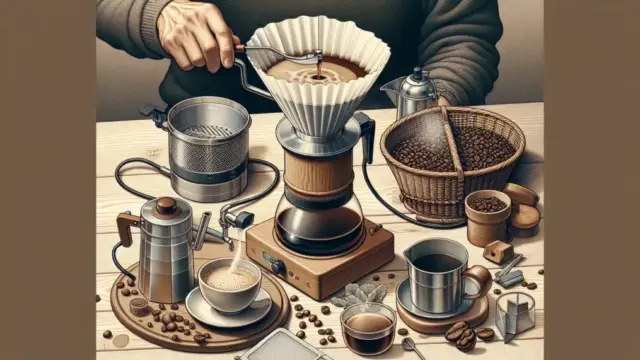
As we continue our coffee exploration, it’s essential to understand that the brewing method you choose can significantly impact the flavor of your coffee. Different brewing techniques can highlight various aspects of the beans, allowing you to experience the full range of flavors. Some popular methods include drip brewing, French press, espresso, and pour-over. Each of these methods offers a unique way to enjoy your coffee, making it an exciting aspect of the coffee experience.
When selecting a brewing method, consider the type of coffee beans you have and the flavors you want to emphasize. For example, lighter roasts may shine through better with a pour-over method, which allows for more control over extraction time. On the other hand, a French press can accentuate the body and richness of a darker roast. Exploring these methods can help you discover new dimensions in your favorite coffee beans.
- Drip brewing is convenient and widely used.
- French press enhances the body and richness of coffee.
- Espresso is perfect for a concentrated and bold flavor.
Features and Recommendations for Each Method
Now that we’ve covered some popular brewing methods, let’s dive into the unique features of each and some recommendations to help you get started.
Drip brewing is a great option for those who enjoy a hands-off approach. This method uses a coffee maker that automatically brews coffee by dripping hot water over coffee grounds. It’s perfect for making multiple cups at once, making it an ideal choice for households or gatherings. If you’re a fan of convenience, this method is definitely worth considering.
The French press, on the other hand, is a favorite among coffee enthusiasts for its ability to produce a full-bodied cup. It allows the coffee grounds to steep directly in hot water, resulting in a rich flavor. For best results, coarsely grind your beans and use a steeping time of about four minutes. This method is ideal for those who love to savor the depth of flavor in their coffee.
Espresso is the method for those who crave a bold, concentrated shot of coffee. This technique forces hot water through finely-ground coffee under high pressure, resulting in a rich and intense flavor. If you enjoy lattes or cappuccinos, investing in an espresso machine could open up a whole new world of coffee drinks for you.
Lastly, pour-over brewing allows for precise control over the brewing process, making it perfect for showcasing the unique characteristics of your coffee beans. By pouring hot water over the grounds in a slow, circular motion, you can ensure even extraction. This method is ideal for lighter roasts, as it highlights their bright and fruity notes.
- Drip brewing is convenient for multiple cups.
- French press provides a rich, full-bodied flavor.
- Espresso is perfect for concentrated coffee lovers.
- Pour-over allows precise control for highlighting unique flavors.
Storage and Management of Coffee
How to Store Coffee Beans
Once you’ve chosen your favorite coffee beans, the next important step is ensuring they stay fresh and flavorful. Proper storage is key to preserving the rich tastes and aromas that make each cup so enjoyable. To start, it’s essential to keep your coffee beans in an airtight container. This helps prevent exposure to air, which can cause them to lose their freshness over time.
In addition to an airtight container, you should store your beans in a cool, dark place. Heat and light can negatively impact the quality of the coffee, so consider keeping them in a pantry or a cabinet away from direct sunlight. If you buy beans in bulk, it’s best to divide them into smaller portions and only open what you need. This way, the remaining beans stay sealed and protected until you’re ready to use them.
Another factor to consider is moisture. Coffee beans are sensitive to humidity, which can lead to mold growth and off-flavors. Avoid storing your beans in the refrigerator, as the moisture and odors from other foods can affect their taste. Instead, find a stable environment where they can thrive.
- Use an airtight container to minimize air exposure.
- Keep beans in a cool, dark place away from heat and light.
- Avoid storing coffee in the refrigerator to prevent moisture issues.
Tips to Maintain Freshness
Maintaining the freshness of your coffee beans goes beyond just storage; it involves a few simple practices that can make a significant difference. First, try to buy whole beans instead of pre-ground coffee whenever possible. Grinding your beans just before brewing helps preserve those delightful flavors and aromas, giving you a fresher cup each time.
When it comes to brewing, make sure to only grind what you need for each session. This not only helps maintain the integrity of the beans but also allows you to enjoy the unique characteristics of each type. If you have leftover brewed coffee, store it in an insulated container to keep it warm without losing its flavor.
Finally, consider the age of your coffee beans. Coffee is best enjoyed within a few weeks of roasting. Always check the roast date when purchasing and try to consume your beans accordingly. By following these tips, you’ll ensure that each cup of coffee is as delicious as possible.
- Buy whole beans and grind them just before use.
- Store brewed coffee in an insulated container to maintain warmth.
- Consume coffee beans within a few weeks of roasting for the best flavor.
Summary
As we wrap up our exploration of coffee, it’s clear that understanding the different types of coffee beans is essential for enhancing your brewing experience. From Arabica’s sweet notes to Robusta’s bold flavors, each type offers something unique. The journey from bean to cup involves various factors, including roasting techniques and brewing methods that can greatly influence the taste of your coffee.
Remember that proper storage is just as important as the type of beans you choose. By keeping your coffee beans in an airtight container and away from moisture, you can preserve their freshness and enjoy the delightful flavors they offer. This knowledge will not only improve your own coffee experience but also allow you to share your newfound passion with others.
So, whether you’re a casual drinker or a coffee enthusiast, take these insights to heart and continue to explore the wonderful world of coffee. Each cup has a story to tell, and the more you learn, the more you can appreciate this beloved beverage.
- Understanding the types of coffee beans helps enhance your brewing experience.
- Proper storage is key to maintaining the freshness and flavor of coffee.
- Explore different brewing methods to discover new dimensions in your favorite coffee beans.
I’d love to hear your thoughts! What’s your favorite type of coffee bean, and how do you prefer to brew your coffee? Share your experiences in the comments below!
Comment