












































Mastering the art of grinding espresso beans is essential for coffee lovers who crave that perfect cup. If you’ve ever wondered why your espresso doesn’t taste quite like the ones from your favorite café, the secret often lies in the grinding method. Understanding how to grind coffee beans properly can elevate your brewing game, making every sip a delightful experience.
Espresso is not just a drink; it’s a rich tradition that’s steeped in history. From its origins in Italy to its global popularity today, the journey of espresso is fascinating. As you explore the different types of beans and roasting levels, you’ll discover how these factors influence the flavors in your cup.
In this article, we’ll dive deep into the nuances of grinding espresso beans, share tips for choosing the right beans, and reveal how to store them for maximum freshness. Whether you’re a beginner or a seasoned espresso enthusiast, there’s always something new to learn about this beloved beverage.
- Discover the basics of espresso and its intriguing history
- Learn about different coffee bean types and roasting levels
- Understand how grinding methods can enhance your espresso experience
The Charm of Espresso and Basic Knowledge
What is Espresso?
Espresso is more than just a strong coffee; it’s a concentrated form of coffee that offers a unique and intense flavor experience. The process involves forcing hot water through finely-ground coffee beans at high pressure. This method not only extracts the rich flavors but also creates a creamy layer known as crema on top. The result is a small, yet powerful shot of coffee that packs a punch.
One of the key aspects of espresso is the grind size of the coffee beans. A fine grind is essential for proper extraction, allowing the water to flow through the coffee evenly. If the grind is too coarse, the water will pass through too quickly, leading to a weak and under-extracted shot. Conversely, if it’s too fine, you might end up with a bitter taste due to over-extraction.
Understanding these nuances is crucial for anyone looking to perfect their espresso-making skills. By mastering the grind size and brewing method, you can transform your coffee routine into a delightful ritual. Plus, the aromatic experience of brewing espresso becomes a sensory journey in itself.
As you dive into the world of espresso, keep in mind that the choice of coffee beans plays a significant role in the final flavor profile. Exploring different blends and origins can lead to exciting discoveries and personal preferences.
- Espresso is a concentrated coffee brewed under high pressure.
- The grind size of coffee beans affects the taste and quality.
- Mastering the brewing method enhances the overall coffee experience.
The History of Espresso
The origins of espresso date back to the early 20th century in Italy, where it was created as a quick and efficient way to brew coffee. The first espresso machine was invented in 1901 by Luigi Bezzera, revolutionizing the coffee experience. Before this invention, coffee was brewed using various methods that often resulted in longer brewing times and less consistent flavors.
As espresso gained popularity, it became an integral part of Italian culture. Coffee bars started popping up, serving espresso alongside pastries and creating a social hub for locals. Over the years, espresso has evolved and spread worldwide, with each culture adding its unique twist to the preparation and presentation. Today, you’ll find espresso served in countless ways, from classic shots to elaborate coffee beverages.
The rich history of espresso not only highlights its significance in coffee culture but also reflects the passion and dedication of coffee lovers everywhere. As you explore this captivating beverage, remember that you’re participating in a tradition that has been cherished for generations.

If you found this exploration of espresso fascinating, you might also be interested in enhancing your coffee experience further. Check out this insightful article, How to Choose and Grind Espresso Beans: A Beginner’s Guide to Deliciousness!, which offers essential tips on selecting the right beans and mastering the grinding process for the perfect espresso shot.
- Espresso originated in early 20th century Italy.
- The first espresso machine was created by Luigi Bezzera in 1901.
- Espresso culture has evolved globally, adapting to different tastes and preferences.
Key Points for Choosing Beans
Types of Coffee Beans
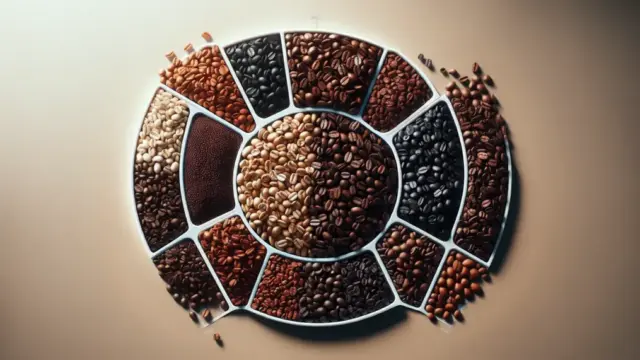
When it comes to espresso, selecting the right coffee beans is crucial for achieving that perfect shot. There are primarily four types of coffee beans: Arabica, Robusta, Liberica, and Excelsa. Among these, Arabica and Robusta are the most commonly used for espresso.
Arabica beans are known for their smooth, complex flavors and lower caffeine content. They usually have a sweeter taste with hints of fruit and sugar, making them a popular choice among espresso enthusiasts. On the other hand, Robusta beans are often described as having a stronger, more bitter flavor with a higher caffeine content. This makes them an excellent option for those who enjoy a bolder espresso shot.
Understanding the characteristics of these beans can help you tailor your espresso to your taste preferences. When grinding, keep in mind that the bean type will also influence the grind size and extraction time. A well-balanced shot of espresso often comes from a blend of both bean types, allowing for a harmonious flavor profile.
- Arabica beans offer smooth, flavorful coffee.
- Robusta beans provide a stronger, bolder taste.
- Blends of different beans can create a balanced espresso.
Differences in Roasting Levels
Roasting levels also play a significant role in the flavor of your espresso. Coffee beans can be roasted to various degrees: light, medium, and dark. Each roasting level brings out different flavor notes and characteristics in the beans.
Light roasts typically retain more of the bean’s original flavor, resulting in a bright and fruity cup. Medium roasts strike a balance between acidity and sweetness, while dark roasts offer a rich, bold flavor with a hint of bitterness. Depending on your taste preference, you may want to experiment with different roasting levels to find the perfect match for your espresso.
As you grind your beans, remember that the roast level will affect the grind size as well. For instance, darker roasts may require a slightly coarser grind to achieve optimal extraction, while lighter roasts might benefit from a finer grind. By understanding these differences, you can refine your espresso-making skills and enjoy a truly personalized coffee experience.
- Light roasts are fruity and bright in flavor.
- Medium roasts offer balance between acidity and sweetness.
- Dark roasts provide rich, bold flavors with bitterness.
The Importance of Grinding the Beans
How Grinding Affects Flavor
The way you grind your espresso beans can significantly impact the flavor of your coffee. When the beans are ground, they release oils and compounds that contribute to the overall taste. If the grind is too coarse, you’ll end up with a weak and underwhelming shot. On the flip side, if your grind is too fine, you might experience over-extraction, leading to a bitter flavor. Finding that sweet spot is key to unlocking the full potential of your espresso.
Understanding how grinding affects flavor is a journey in itself. Each bean type and roast level reacts differently during the grinding process. By experimenting with various grind sizes, you can discover the unique taste profiles that resonate with you. This exploration allows you to tailor your espresso experience to your liking, enhancing every sip.
- The grind size influences the extraction of flavors.
- Coarse grinds result in weak espresso, while fine grinds can lead to bitterness.
- Experimenting with grind sizes can help personalize your coffee experience.
What is the Right Grind?
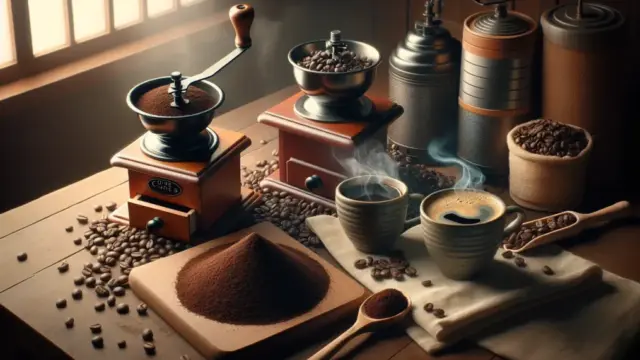
Determining the right grind for your espresso is crucial for achieving that perfect balance. Generally, espresso requires a fine grind that resembles granulated sugar. This consistency allows for optimal extraction when hot water is forced through the grounds. However, the exact grind size can vary based on several factors, including the type of beans, roasting level, and even your brewing method.
For instance, if you’re using a dark roast, a slightly coarser grind might work better to prevent over-extraction. Conversely, lighter roasts may benefit from a finer grind to enhance their more delicate flavors. It’s all about striking the right balance between the grind size and the characteristics of the beans.
Additionally, it’s important to consider your espresso machine. Different machines may require slight adjustments in grind size to achieve the best results. Some machines perform better with a finer grind, while others might thrive with a coarser setting. As you refine your technique, pay attention to how the grind size affects the flow rate and extraction time, and adjust accordingly.
Achieving the right grind size takes practice and patience, but the rewards are worth it. With each cup, you’ll become more attuned to the nuances of flavor that come from the grinding method. Embrace this process as part of your espresso journey, and enjoy the delicious results that follow.
If you’re intrigued by how the right grind can unlock the full flavor potential of your espresso, you might also appreciate the insights shared in the article Are You a Fan of Acidity or Bitterness? Discover the Joy of Coffee Bean Flavors. It delves into the different flavor profiles of coffee beans and how they can enhance your brewing experience.
- A fine grind resembling granulated sugar is typically ideal for espresso.
- Dark roasts may require a coarser grind to avoid bitterness.
- The espresso machine can influence the optimal grind size.
- Refining your grind size enhances the overall espresso experience.
Tips for Enjoying Espresso Even More
Types of Brewing Methods
Once you’ve mastered the grind size and chosen your beans, the next step is to explore different brewing methods to enhance your espresso experience. Each brewing technique can bring out unique flavors and characteristics in your coffee. For instance, if you prefer a traditional approach, using an espresso machine will allow you to achieve that classic, rich crema.
Alternatively, you might enjoy the simplicity of a Moka pot, which can produce a strong coffee reminiscent of espresso but with a slightly different flavor profile. The Aeropress is another popular method that offers versatility and ease of use, allowing you to experiment with various grind sizes and brewing times. Each method has its own charm, and finding the right one for your taste can be a fun adventure.
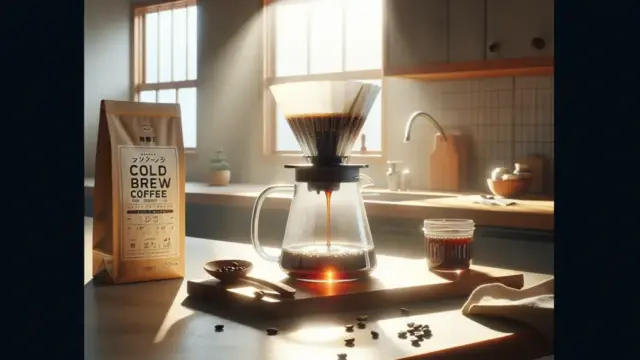
Additionally, don’t shy away from trying out cold brew espresso. This method involves steeping coffee grounds in cold water for an extended period, resulting in a smooth and refreshing beverage. By experimenting with these different brewing methods, you can discover new dimensions of flavor and enjoy your espresso in ways you may not have considered before.
- Espresso machines create rich, flavorful shots with a creamy texture.
- Moka pots offer a traditional method with unique flavor characteristics.
- The Aeropress allows for versatile brewing and experimentation.
Storage Methods and Their Impact
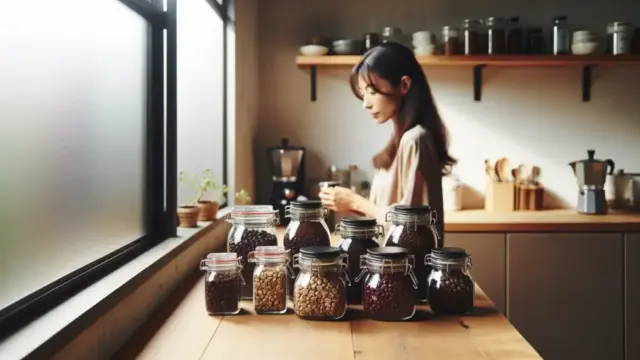
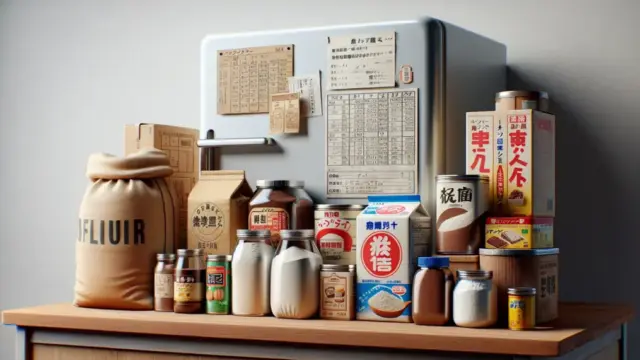
Now that you know how to grind and brew your espresso, let’s talk about something just as important: storage. Properly storing your coffee beans can significantly impact their freshness and flavor. One common mistake is keeping your beans in clear containers that expose them to light. Instead, opt for an opaque, airtight container that can shield the beans from both light and moisture.
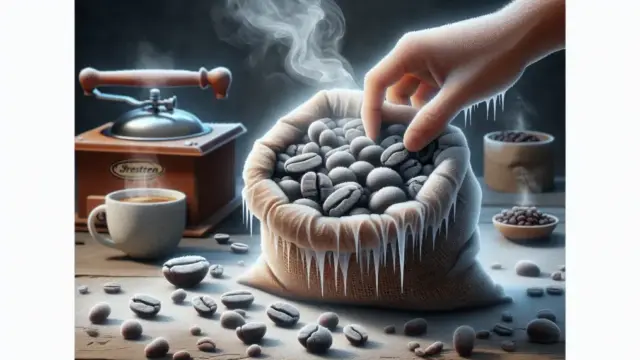
Additionally, consider the location of your coffee storage. Keeping beans in a cool, dark place, like a pantry, helps prevent them from going stale. Avoid storing them in the fridge or freezer, as these environments can create condensation that affects the beans’ quality. Instead, aim to buy only what you need to keep your supply fresh and flavorful.
Moreover, once you’ve opened a bag of beans, try to consume them within a few weeks for the best flavor. As they sit, they lose essential oils and aromatic compounds that contribute to that delightful espresso experience. By following these storage tips, you’ll ensure that every cup you brew is as fresh and delicious as possible.
If you’re intrigued by how the choice of coffee beans can elevate your espresso, you might find it beneficial to explore this detailed article. Check out “Discover How Choosing the Right Coffee Beans and Adjusting Your Intake Can Elevate Your Coffee Experience!” for insights on selecting the perfect beans and adjusting your intake for a richer coffee experience.
- Use opaque, airtight containers to store coffee beans.
- Keep beans in a cool, dark place to maintain freshness.
- Consume opened beans within a few weeks for optimal flavor.
Summary
Understanding how to grind espresso beans properly is essential for achieving that perfect cup of coffee. Throughout this article, we’ve explored the significance of grind size, the types of beans, and the various brewing methods available. By mastering these elements, you can elevate your espresso experience and discover a world of flavors that suit your palate.
In addition to grinding techniques, we also discussed the importance of selecting the right coffee beans and storing them properly to maintain freshness. Whether you prefer a rich, dark roast or a bright, fruity light roast, experimenting with different beans and grind sizes allows you to customize your espresso journey. Enjoy the process of learning and refining your skills as you create delicious coffee experiences at home.
- Mastering grind size is critical for optimal espresso extraction.
- Choosing the right beans and roasting levels enhances flavor.
- Proper storage preserves freshness and ensures a delightful brew.
We’d love to hear your thoughts! What are your favorite beans and grinding methods? Feel free to share your coffee experiences and tips in the comments below.
Comment