























Choosing the right espresso beans and knowing how to grind them properly can make all the difference in your coffee experience. If you’re new to the world of espresso, you might feel overwhelmed by the options available. Don’t worry! This guide will walk you through the essentials, helping you select the best beans and master the art of grinding them for a perfect cup every time.
From understanding the different types of beans and their unique flavors to exploring the best grinding methods, you’ll discover everything you need to elevate your coffee game. So, grab your favorite mug and get ready to dive into the delicious world of espresso!
- Learn the basics of espresso beans and their characteristics.
- Discover how roast levels affect flavor and how to choose the best beans.
- Find out the right grinding methods for your espresso brewing technique.
Basic Knowledge of Espresso Beans
What is Espresso?
Espresso is more than just a coffee drink; it’s a craft that requires attention to detail and a passion for flavor. At its core, espresso is a concentrated coffee brewed by forcing hot water through finely-ground coffee beans. This method creates a rich and bold flavor, making it the base for many popular coffee drinks like lattes and cappuccinos. Understanding what espresso is sets the foundation for choosing the right beans and mastering your grinding technique.
For those new to espresso, the experience can be quite different from regular brewed coffee. The taste is stronger and more intense, which is why selecting the right beans is crucial. Not all beans are created equal, and the way they are processed and roasted can dramatically affect the end result. So, let’s explore the different types of beans that you can use for making espresso.
- Espresso is a concentrated coffee drink.
- It is made by forcing hot water through finely-ground beans.
- The choice of beans impacts the flavor and quality of your espresso.
Types and Characteristics of Beans
When it comes to espresso, you’ll encounter several types of coffee beans, each with its own unique characteristics. The most common varieties are Arabica and Robusta. Arabica beans are known for their sweet, soft flavors and aromatic qualities, often featuring notes of fruit and sugar. They tend to have a higher acidity, giving them a bright and lively profile. On the other hand, Robusta beans are stronger and more bitter, with earthy flavors and a higher caffeine content. This makes them a popular choice for blends and espresso shots that need a bit of extra punch.
Choosing the right beans depends on your personal taste preferences. If you enjoy a smooth, mellow cup, Arabica beans are likely your best bet. However, if you prefer a bold, robust flavor, you might want to reach for Robusta. Many espresso enthusiasts recommend using a blend of both types to create a balanced flavor profile that highlights the strengths of each bean variety.
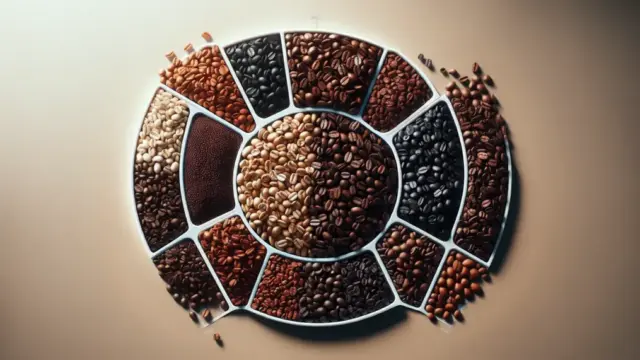
The roast level of your beans is another crucial factor to consider. Light roasts tend to preserve the original flavors of the beans, while medium and dark roasts develop deeper, richer flavors. Dark roasted beans are often favored for espresso, as they produce a thicker crema and a bolder taste. It’s worth experimenting with different roast levels to find what resonates with your palate.

If you’re eager to dive deeper into the art of coffee selection, you might find our article on A Must-Read for Beginners! Your Guide to Choosing the Best Espresso Beans particularly helpful. It offers valuable insights on selecting the perfect beans to elevate your espresso experience.
- Arabica beans are sweet and aromatic, while Robusta beans are strong and bitter.
- Consider your taste preferences when selecting beans for espresso.
- The roast level significantly affects the flavor and body of your espresso.
- Blends of different bean types can create a more complex flavor profile.
How to Choose the Best Beans for Espresso
Importance of Roast Level
When it comes to choosing espresso beans, the roast level plays a significant role in determining the flavor profile of your drink. Different roast levels influence not just the taste but also the aroma and body of your espresso. For instance, lighter roasts tend to exhibit the beans’ original flavors, which can be fruity or floral, while darker roasts bring out richer, bolder notes, often with hints of chocolate or caramel.
If you’re looking to create an espresso that packs a punch, darker roasts are typically the way to go. They produce a thicker crema and create a fuller-bodied drink. However, don’t shy away from experimenting with lighter roasts – you might be surprised by the unique flavors they can bring to your cup. Ultimately, finding the roast level that suits your palate can take some trial and error, but it’s a fun journey worth taking.
One of the best ways to determine your preferred roast level is to taste test various beans side by side. Try brewing the same espresso recipe with different roast levels and see how each one impacts the flavor. This not only helps you refine your taste but also enhances your overall coffee experience.
- Darker roasts provide a bolder flavor and thicker crema.
- Lighter roasts can introduce unique fruity or floral notes.
- Experimenting with different roast levels allows for flavor discovery.
Flavor Differences by Origin
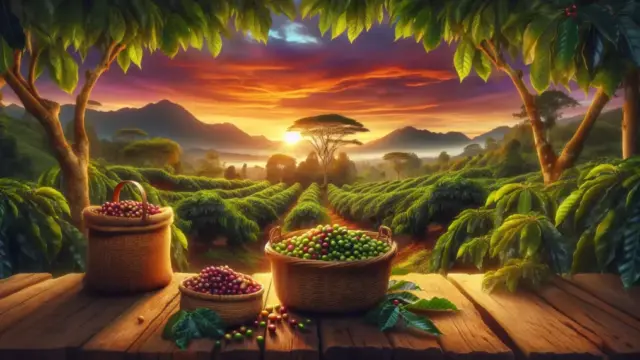
The origin of your coffee beans also plays a crucial role in the flavor of your espresso. Different regions produce beans with distinct taste profiles due to variations in climate, soil, and cultivation methods. For example, beans from South America often have a balanced flavor with notes of chocolate and nuts, while African beans can be bright and fruity, showcasing floral undertones.
Understanding the flavor characteristics associated with different origins can help you make informed choices when selecting your espresso beans. If you’re curious about trying something new, exploring beans from various countries can provide you with a delightful range of flavors. You might find that you prefer a specific origin for your espresso, or you may enjoy rotating through different types to keep things exciting.
As you embark on this flavor journey, don’t hesitate to ask your local coffee roaster for recommendations based on your taste preferences. They can guide you toward beans that reflect your desired flavor profile and help you craft the perfect espresso.
- The region where beans are grown affects their flavor profile.
- South American beans often have chocolate and nutty notes.
- African beans can be bright, fruity, and floral.
How to Grind Espresso Beans
Basics of Grinding
Now that you’ve chosen the perfect espresso beans, it’s time to focus on how to grind them. Grinding is a crucial step in the espresso-making process, as the grind size directly impacts the flavor extraction. A finer grind is typically necessary for espresso, allowing for optimal extraction during brewing. If the grind is too coarse, your espresso may turn out watery and under-extracted, while a grind that is too fine can lead to over-extraction, resulting in a bitter taste.
When grinding your beans, aim for a consistency similar to table salt. This will provide the best balance of flavor extraction and crema formation. Investing in a good quality burr grinder can make a significant difference in your grinding results. Unlike blade grinders, burr grinders offer a more uniform grind size, which is essential for brewing a delicious cup of espresso.
- Grinding affects flavor extraction in espresso.
- Aim for a grind size similar to table salt.
- A burr grinder is recommended for consistent results.
Grinding Methods for Different Brewing Techniques
While espresso requires a specific grind size, it’s important to note that various brewing methods call for different grinding techniques. For example, if you’re using a French press, you’ll want a coarser grind to prevent over-extraction. On the other hand, pour-over methods typically benefit from a medium grind to allow for even extraction.
As you experiment with different brewing techniques, it’s helpful to adjust your grind size accordingly. For espresso, remember that a fine grind is crucial, but you can also tweak it based on your espresso machine and personal taste. If you find your espresso is too bitter, try a slightly coarser grind. Conversely, if it tastes too weak, go for a finer grind. This level of adjustment can significantly enhance your espresso experience.
Additionally, keep in mind that the freshness of your grind matters. Grinding your beans just before brewing ensures you capture the maximum flavor and aroma. The oils in the beans start to oxidize once they are ground, so for the best results, always grind right before making your espresso.
If you’re looking to enhance your coffee experience further, you might find it beneficial to explore the article on Discover the Perfect Cup: Understanding Coffee Types and Makers!. This piece dives into various coffee types and manufacturers, providing insights that can help you choose the best beans for your espresso and other brewing methods.
- Different brewing methods require different grind sizes.
- Adjust grind size based on taste and machine type.
- Freshly ground beans enhance flavor and aroma.
Storage Methods and Tips for Espresso
How to Keep Beans Fresh
Once you’ve found the perfect espresso beans and mastered the grinding method, the next step is ensuring your beans stay fresh. Coffee beans are delicate and can lose their flavor quickly if not stored properly. To maintain their rich aroma and taste, it’s essential to keep them in an airtight container. This prevents exposure to air, which can lead to oxidation and dull the flavors.
Another important factor is light. Coffee beans should be stored away from direct sunlight, as UV rays can degrade their quality. A dark, cool place like a pantry or cupboard is ideal for storing your beans. Additionally, avoid keeping your beans near heat sources, like ovens or stoves, as temperature fluctuations can affect their freshness. With these simple storage practices, you can enjoy the vibrant flavors of your espresso for a longer time.
- Use an airtight container to prevent oxidation.
- Store in a dark, cool place away from sunlight and heat.
- Consider buying whole beans and grinding them just before use for maximum freshness.
Storage Precautions
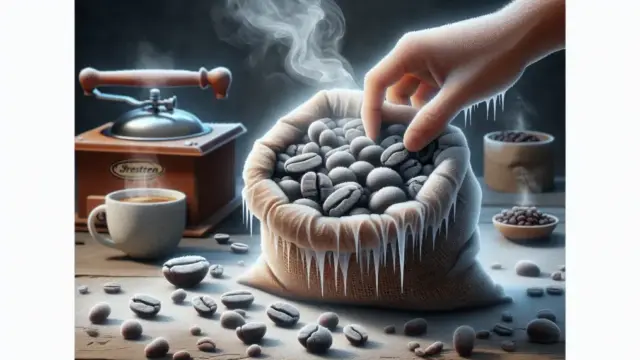
In addition to keeping your beans fresh, there are a few precautions you should take to ensure your espresso experience remains top-notch. First, avoid refrigerating or freezing your beans unless you have a large quantity that you can’t use quickly. While some believe freezing can preserve freshness, it can also introduce moisture, leading to stale flavors when you thaw them out. If you do freeze, make sure to use a vacuum-sealed bag to minimize exposure to air.
It’s also worth noting that coffee beans can absorb odors from their surroundings. To keep your espresso tasting its best, store your beans away from strong-smelling foods or substances. This will help maintain the unique flavor profile of your beans without any unwanted interference.
Lastly, try to buy your beans in smaller quantities, which encourages fresh consumption. By purchasing just enough for a week or two, you can ensure you’re always using fresh beans that deliver the best flavor. Remember, the quality of your espresso is a culmination of the beans, grind, and storage methods you choose.
- Avoid refrigerating or freezing unless necessary.
- Store away from strong odors to preserve flavor.
- Buy beans in small quantities for optimal freshness.
Summary
As we’ve explored throughout this guide, understanding espresso beans and their grinding methods is essential for creating a delightful espresso experience. From selecting the right beans based on roast levels and origins to mastering the art of grinding, each step plays a crucial role in achieving that perfect cup. Remember that experimenting with different beans and grind sizes can lead to exciting flavor discoveries, enhancing your overall coffee journey.
Keeping your beans fresh is just as important as the selection and grinding process. Storing them in an airtight container away from light and strong odors will help preserve their unique flavors. By following these tips, you can ensure that every cup of espresso you brew is rich, aromatic, and enjoyable.
- Choose the right espresso beans by considering their roast level and origin.
- Grinding your beans to the appropriate size is crucial for flavor extraction.
- Proper storage methods help maintain the freshness and quality of your espresso beans.
We’d love to hear your thoughts on espresso! What are your favorite beans or grinding techniques? Share your experiences in the comments below!
Comment