



















Choosing the right coffee beans can be an exciting journey, especially if you’re new to the world of coffee. With so many types and flavors available, you might feel a bit overwhelmed. But don’t worry! This guide will help you navigate through the fascinating process of selecting coffee beans, roasting them, and brewing the perfect cup. Plus, we’ll explore the charm of coffee workshops where you can deepen your understanding and appreciation for this beloved beverage.
In this article, you’ll discover the essential tips that will elevate your coffee experience. Whether you’re curious about the different types of beans or how to properly store them, we’ve got you covered. So grab your favorite mug and let’s embark on this delightful coffee adventure together!
- Learn how to choose the right coffee beans for your taste.
- Discover roasting techniques that can enhance flavor.
- Find out the best brewing methods and storage tips for fresh coffee.
How to Choose Coffee Beans
Types of Coffee Beans
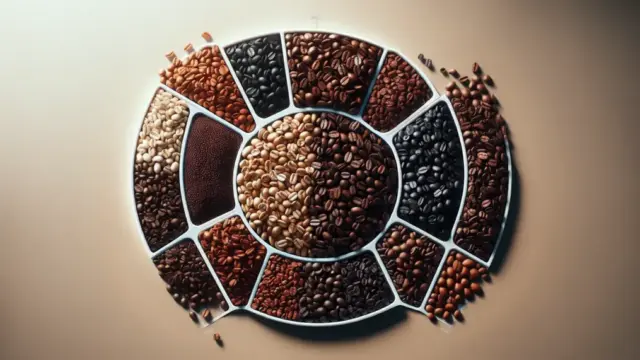
When it comes to coffee, understanding the different types of beans is essential for finding your perfect brew. The two most common varieties are Arabica and Robusta. Arabica beans are known for their sweet and complex flavors, often featuring hints of fruit or sugar. They tend to have a higher acidity and are favored by many coffee enthusiasts. On the other hand, Robusta beans have a stronger, more bitter taste and contain more caffeine, making them a popular choice for espresso lovers.
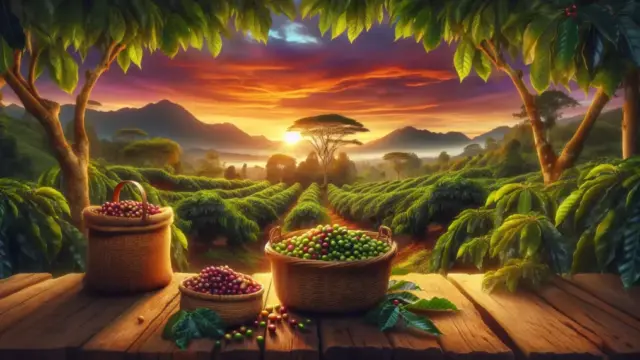
Each type of bean has its unique characteristics, influenced by factors like where they’re grown and how they’re processed. For instance, beans grown at higher altitudes often develop more vibrant flavors. Exploring these different types can be a fun adventure in itself! You might find that you prefer the smoothness of Arabica or the boldness of Robusta.
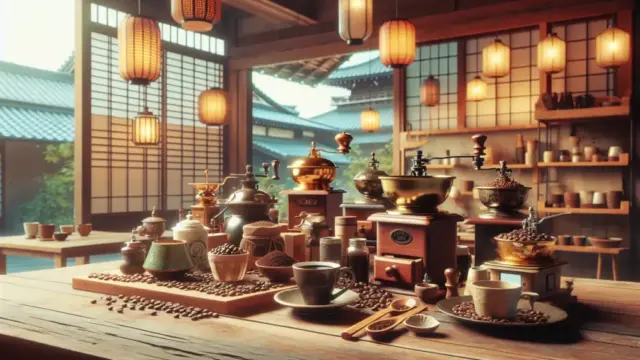
Additionally, there are many specialty beans available, each with distinct flavor profiles. Single-origin coffees highlight the specific region they come from, allowing you to experience the unique characteristics of that area. This is where coffee workshops come into play. They provide an opportunity to taste and learn about various beans, helping you discover what truly delights your palate.
To make the most of your coffee journey, consider trying different varieties and blends. By experimenting, you can discover new flavors that you might not have expected to enjoy!
- Explore the differences between Arabica and Robusta beans.
- Try single-origin coffees for unique flavor experiences.
- Attend a coffee workshop to learn more about the beans you love.
Enjoying Flavor Differences
Once you’ve familiarized yourself with the types of coffee beans, the next step is to appreciate the flavor differences they offer. Each bean brings its unique taste, influenced by factors like the growing conditions and processing methods. For example, beans from Colombia may have a smooth, chocolatey flavor, while those from Ethiopia can be bright and fruity.
Tasting coffee can be an enjoyable experience, especially when you’re aware of what to look for. As you sip, pay attention to the aroma, acidity, and aftertaste. This will help you identify the flavors you prefer and guide your future choices. Participating in tastings at a local café or bean workshop can deepen your understanding and enjoyment of these nuances.
- Notice the aroma and acidity in different coffees.
- Join tasting events to enhance your coffee knowledge.
- Keep a journal of your favorite flavors and experiences.
Basics and Techniques of Roasting
Types and Features of Roasting
Now that you have a better understanding of coffee beans and their flavor profiles, it’s time to dive into the fascinating world of roasting. Roasting is a crucial step that transforms green coffee beans into the aromatic, flavorful beans we love. There are several roasting levels, ranging from light to dark, each offering distinct characteristics.
Light roasts preserve the original flavors of the beans and often highlight fruity and floral notes. They tend to have a higher acidity and a lighter body. In contrast, medium roasts strike a balance between the bean’s inherent flavors and the roasted notes, offering a more rounded taste. Dark roasts, on the other hand, bring out rich, bold flavors with a pronounced bitterness and a lower acidity. Understanding these roasting levels can help you choose the right beans for your preferred taste.
Each roasting technique also affects the flavor and aroma of the coffee. For instance, air roasting utilizes hot air to evenly roast the beans, resulting in a clean taste. Drum roasting, which is more common in commercial settings, involves rotating the beans in a heated drum, allowing for a deeper flavor development. Exploring these methods can enhance your appreciation for the complexity of coffee.
As you learn about roasting, consider how it influences your coffee experience. This knowledge will guide you in selecting beans that align with your taste preferences, setting the stage for the next step in your coffee journey.
- Light roasts highlight natural flavors and aromas.
- Medium roasts offer a balanced taste experience.
- Dark roasts provide bold flavors with lower acidity.
Home Roasting Methods
If you’re feeling adventurous, why not try roasting your coffee beans at home? It can be a rewarding experience that allows you to experiment with different roasting levels and flavors. There are several methods you can use, each with its own charm.
One popular method is the stovetop popcorn maker. This technique allows for a quick and even roast, giving you control over the process. Simply add your green beans, heat them up, and keep an eye on them until they reach your desired roast level. Another method is using an air popcorn popper, which circulates hot air around the beans for an even roast. Both methods are fun and easy ways to get started with home roasting.
If you prefer a more traditional approach, consider using a dedicated coffee roaster. These machines are designed specifically for roasting coffee beans and can produce consistent results. No matter which method you choose, remember to be patient and attentive during the roasting process. Each roast is an opportunity to discover new flavors and refine your skills.
Home roasting is not just about the coffee; it’s a journey that connects you to the entire process, from bean to cup. So grab some green beans, choose your roasting method, and enjoy the delightful aromas that fill your kitchen!

If you’re eager to elevate your coffee experience further, you might want to check out this article: The Ultimate Guide to Drip Coffee Brewing for Beginners!. It covers everything from selecting the right beans to mastering brewing techniques, making it a perfect companion to your newfound knowledge of roasting.
- Try stovetop popcorn makers for an easy roast.
- Use air poppers for an even roasting experience.
- Invest in a dedicated coffee roaster for consistent results.
Coffee Brewing Methods
Differences Between Drip and French Press
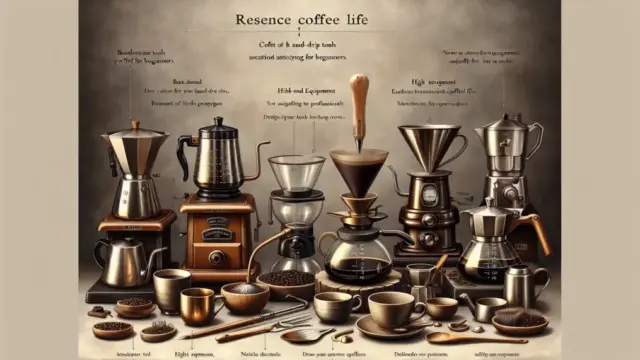
Now that you have a solid foundation in selecting and roasting coffee beans, it’s time to explore the various brewing methods available. Each method can bring out different flavors and aromas in your coffee, so it’s exciting to experiment with what suits your taste best. Two popular brewing methods are drip coffee and French press, each with its unique characteristics.
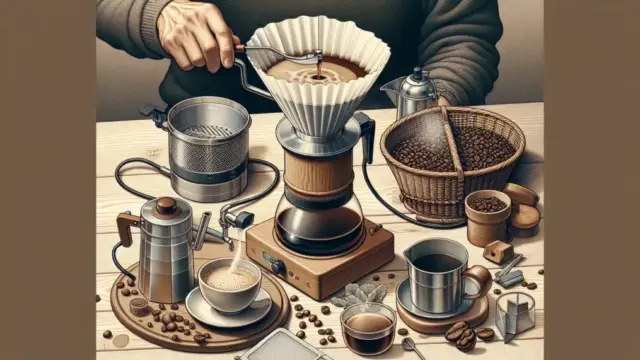
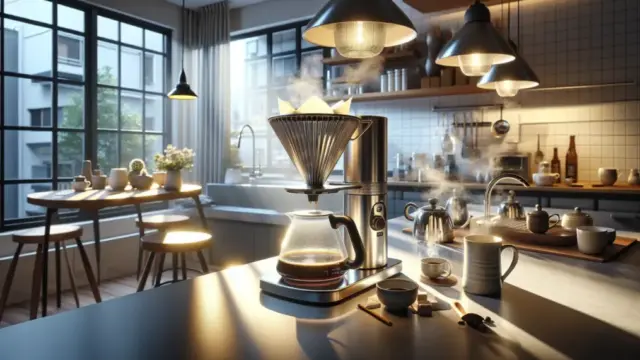
Drip coffee makers are convenient and easy to use, making them a staple in many households. This method uses a paper filter to separate the coffee grounds from the brewed coffee, resulting in a clean and smooth cup. On the other hand, the French press allows the coffee grounds to steep directly in hot water, producing a richer and fuller-bodied flavor. Understanding the differences between these two methods can help you appreciate the nuances in your cup of coffee.
- Drip coffee is clean and smooth due to the paper filter.
- French press offers a richer, fuller-bodied flavor.
- Experimenting with both methods can enhance your coffee journey.
Importance of Brewing Time and Temperature
Brewing time and temperature play crucial roles in the final taste of your coffee. When using a drip coffee maker, the water typically flows through the coffee grounds for a specific amount of time, generally around 4 to 6 minutes. This process allows the flavors to extract properly, resulting in a balanced cup. If the brewing time is too short, your coffee may taste weak, while an overly long brew can lead to bitterness.
In contrast, the French press requires a bit more attention. After adding coarsely ground coffee to the press, you’ll want to pour hot water over it and let it steep for about 4 minutes. This method allows the oils and flavors to infuse fully, creating a robust and aromatic cup. The ideal temperature for brewing coffee is typically between 195°F to 205°F, which helps extract the best flavors without scorching the beans.
It’s essential to experiment with both brewing time and temperature to find what works best for your taste preferences. Each adjustment can lead to a completely different coffee experience, so don’t hesitate to try varying these factors. You might even discover new flavors that surprise you!
Additionally, consider joining a local bean workshop to deepen your understanding of these brewing methods. Many workshops offer hands-on experiences, allowing you to taste the differences firsthand and learn how to perfect your brewing technique.
If you’re eager to refine your coffee-making skills further, you might find great value in exploring additional resources. Check out the article titled A Beginner’s Guide to Choosing Coffee Beans for essential tips on selecting the best beans for your brewing method, helping you elevate your coffee experience even more.
- Brewing time affects flavor extraction; aim for 4-6 minutes with drip coffee.
- French press benefits from a 4-minute steep for a robust flavor.
- Experimenting with temperature can lead to new flavor discoveries.
How to Store Coffee and Its Impact
Optimal Storage Conditions
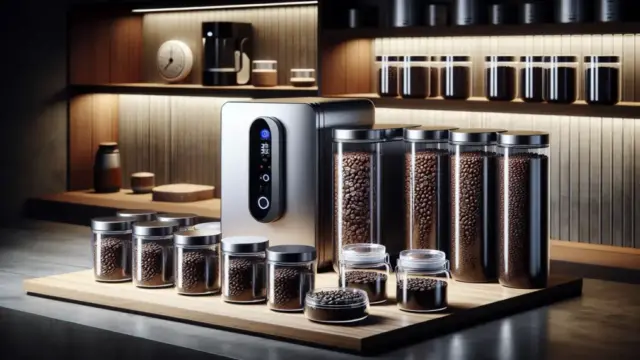
Now that you’ve learned about selecting, roasting, and brewing your coffee, let’s talk about a key aspect that can significantly affect the quality of your coffee: storage. Properly storing your coffee beans is essential to preserve their freshness and flavor. The ideal storage conditions for coffee involve keeping it in a cool, dark, and dry place. Exposure to light, heat, and moisture can accelerate the degradation of coffee, leading to a stale taste.
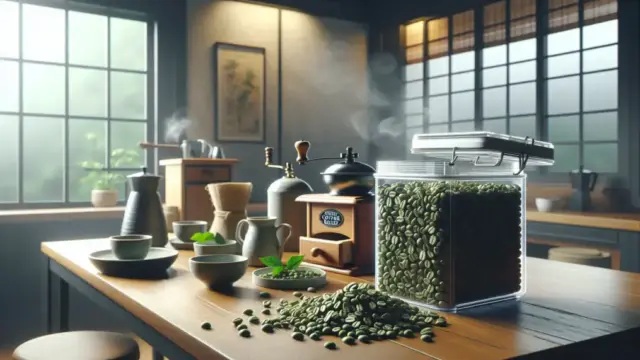
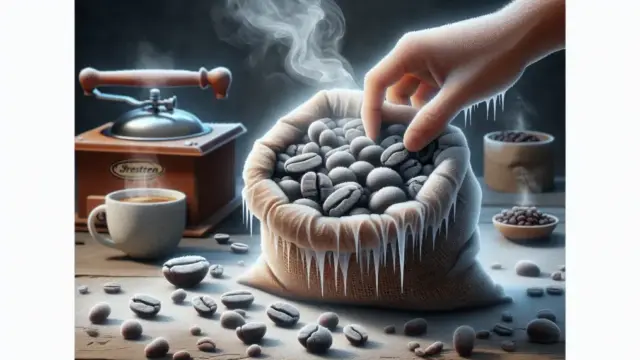
You might want to consider using an airtight container to store your beans. This helps minimize exposure to air, which can cause the coffee to oxidize and lose its rich flavors. Glass jars with a tight seal or specially designed coffee canisters are great options. Avoid storing your beans in the fridge or freezer, as the fluctuating temperatures can create condensation, negatively impacting the quality of the beans.
Additionally, it’s best to buy coffee beans in small batches rather than large quantities. This way, you can enjoy the freshest flavors possible. If you have a favorite local bean workshop, consider visiting them regularly to replenish your supply. They often have freshly roasted beans that are perfect for your storage needs.
- Store coffee beans in a cool, dark, and dry place.
- Use airtight containers to minimize air exposure.
- Buy small batches for optimal freshness.
Tips for Keeping Beans Fresh
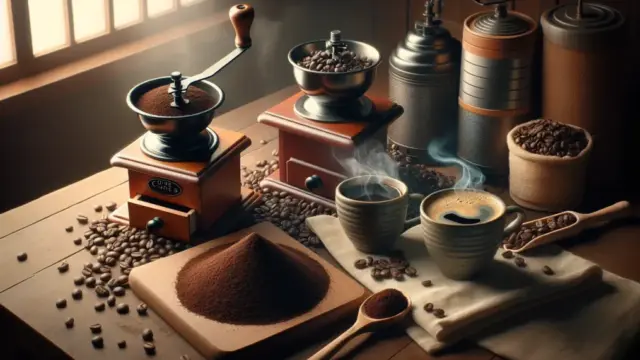
To keep your coffee beans fresh for as long as possible, there are a few more tips you can follow. First, always grind your beans just before brewing. Whole beans retain their freshness better than ground coffee, which can lose flavor quickly after being exposed to air. By grinding only what you need for each brew, you can enjoy a vibrant cup every time.
Another tip is to avoid buying flavored or pre-ground coffee, as these often contain additives that can compromise the beans’ natural flavors. Instead, focus on high-quality, single-origin beans from your favorite bean workshop. This allows you to appreciate the unique characteristics of each bean while also ensuring that you’re getting the freshest product available.
Finally, take note of the roast date when purchasing coffee beans. Freshly roasted coffee is typically at its best within a few weeks of roasting. By keeping an eye on the roast date and incorporating these storage tips, you can elevate your coffee experience and enjoy every cup to its fullest.
- Grind beans just before brewing for maximum freshness.
- Choose high-quality, single-origin beans for the best flavor.
- Pay attention to the roast date to ensure you’re drinking fresh coffee.
Summary
As we explore the world of coffee, it’s clear that the journey from selecting the right beans to brewing the perfect cup is filled with exciting discoveries. Understanding the differences between coffee beans, roasting techniques, and brewing methods can significantly enhance your coffee experience. Whether you’re a beginner or a seasoned enthusiast, there’s always something new to learn and appreciate about this beloved beverage.
Visiting a local bean workshop can be a fantastic way to deepen your knowledge and taste various coffee types. These workshops often provide an immersive experience, allowing you to interact with experts and fellow coffee lovers while exploring unique flavor profiles. By participating, you can refine your skills and discover your personal preferences in the world of coffee.
Don’t forget the importance of proper storage and freshness. Taking care to store your beans correctly will ensure that you enjoy the fullest flavors in every cup. By grinding your beans just before brewing and choosing high-quality, single-origin options, you’re setting yourself up for a delightful coffee experience.
In conclusion, the world of coffee is vast and full of potential. Embrace the adventure, keep experimenting, and don’t hesitate to share your thoughts and experiences with fellow coffee lovers. Your journey in this aromatic realm is just beginning!
- Understanding the types of coffee beans can help you choose the right flavor for your taste.
- Roasting techniques and methods influence the final taste of your coffee.
- Proper storage and freshness are crucial for enjoying rich flavors in every cup.
We’d love to hear your thoughts! What have you learned about coffee that has changed your brewing experience? Feel free to share in the comments below!
Comment