






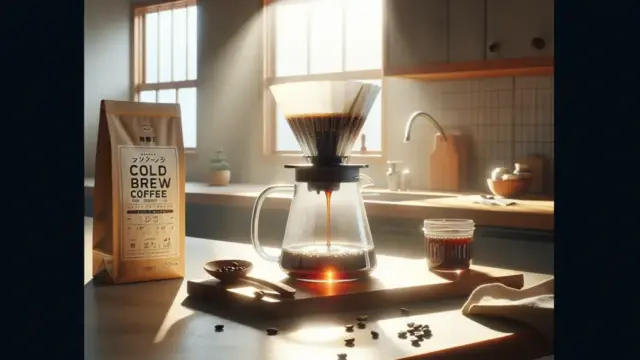
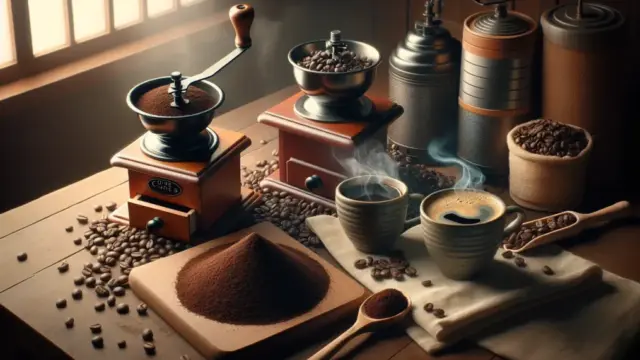
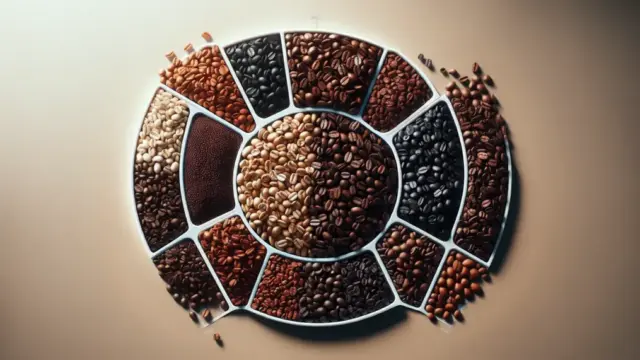










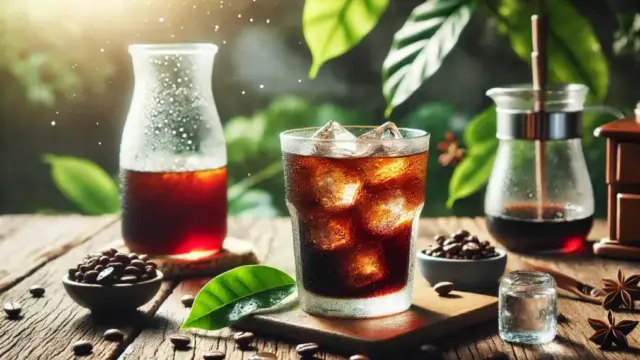
Are you curious about the world of coffee and how to make the most out of your coffee grounds? Whether you’re a newbie or a seasoned coffee lover, understanding how to choose, roast, brew, and store coffee grounds can elevate your coffee experience to a whole new level. This ultimate guide is crafted to help you navigate through the delightful complexities of coffee, ensuring you enjoy each cup to the fullest.
Choosing the right coffee grounds can seem overwhelming with the variety of beans and grind sizes available. But don’t worry! We’ll break it down together, making it easy for you to find the perfect match for your taste. From light to dark roasts, making informed choices will enhance your coffee ritual and give you that satisfying aroma and flavor you crave.
Roasting your own coffee at home might sound intimidating, but it’s an exciting adventure that can lead to delicious results. We’ll delve into some simple methods that you can try, helping you to understand how roasting affects flavor. You might discover that the perfect roast is just a few steps away!
Finally, let’s talk about storing coffee grounds. Proper storage is crucial for preserving the freshness and flavor of your coffee. We’ll guide you through the best practices and containers, ensuring that your coffee remains as delightful as the day you bought it.
- Discover how to choose the right coffee beans and grind size for your taste.
- Learn the basics of roasting coffee at home and explore different methods.
- Understand the best practices for brewing and storing your coffee grounds.
How to Choose Coffee Grounds
Types of Coffee Beans That Suit You
When it comes to selecting coffee grounds, the first step is understanding the different types of coffee beans available. Arabica and Robusta are the two most popular varieties, each offering unique flavors and characteristics. Arabica beans tend to have a sweeter, more delicate profile, while Robusta beans are known for their stronger, bolder taste. Depending on your preferences for flavor and aroma, you might find one type more appealing than the other.
It’s also helpful to consider the origin of the beans. Coffee from different regions can exhibit distinct flavors due to variations in climate, soil, and processing methods. For instance, Ethiopian coffee often has fruity and floral notes, while Brazilian coffee tends to have a more chocolatey and nutty profile. Exploring these origins can be a fun way to discover what you truly enjoy.
Lastly, don’t forget about the roast level! Light roasts maintain more of the bean’s original flavors, while dark roasts offer a more robust, smoky taste. Trying out different combinations of bean types, origins, and roast levels will lead you to your perfect coffee experience.
- Understand the difference between Arabica and Robusta beans.
- Explore coffee origins and their unique flavor profiles.
- Experiment with light and dark roasts to find your preference.
Impact of Grind Size
The grind size of your coffee can dramatically influence the flavor of your brew. Coarse grinds are ideal for methods like French press, allowing for a longer extraction time without over-extraction. On the other hand, fine grinds work best with espresso machines, where the hot water passes through quickly, extracting the rich flavors in a short time.
Choosing the right grind size also depends on your brewing method. For instance, medium grinds are versatile and can be used for drip coffee makers and pour-over methods. If you’re looking to explore different brewing techniques, adjusting your grind size can help you understand how it affects taste and strength.
It’s worth mentioning that consistency is key when it comes to grinding coffee. Using a burr grinder rather than a blade grinder can provide a more uniform grind size, which translates to better extraction and flavor. The goal is to achieve a balance that suits your taste, so don’t hesitate to experiment with different grind sizes to discover what works best for you.
Ultimately, the right grind size can elevate your coffee experience, tailoring each cup to your liking. The beauty of this journey is finding out what makes you happiest in your daily coffee ritual.

If you’re eager to dive deeper into the world of coffee, you may find this article particularly insightful: Discover the Joy of Coffee’s Bitterness! A Complete Guide from Bean Selection to Brewing. It explores how to appreciate the bitterness of coffee, offering guidance on selecting beans, roasting, and brewing techniques that enhance your coffee experience.
- Learn how different grind sizes affect brewing methods.
- Discover the importance of consistency in grind size.
- Experiment with grind sizes to fine-tune your coffee flavor.
Coffee Roasting Methods
Basics of Roasting
Roasting coffee is an art that transforms green coffee beans into the aromatic, flavorful grounds we love. The roasting process affects not only the taste but also the aroma and body of your coffee. As beans are heated, they undergo several chemical changes that develop their unique flavors. Light roasts tend to retain more of the original bean characteristics, allowing you to appreciate the subtle notes that define their origin. On the flip side, darker roasts create bolder, richer flavors that can sometimes overshadow the bean’s unique traits.
Understanding roast levels can help you select the right coffee for your palate. A light roast may be perfect for those who enjoy a bright, fruity cup, while a medium roast can provide a balanced profile. Dark roasts, with their smoky undertones, appeal to those who prefer a more robust flavor. Experimenting with different roast levels can be a delightful journey that enhances your coffee experience.
Moreover, roasting times vary, affecting the final result. Shorter roasting times yield a lighter flavor, while longer times produce deeper, more complex profiles. It’s fascinating to realize how just a few minutes can change your coffee’s character. By paying attention to the roasting process, you can develop a greater appreciation for your favorite brews.
So, if you’re keen on expanding your coffee horizons, understanding the basics of roasting is the first step. It opens the door to a world of flavors waiting to be discovered.
- Discover how roasting affects coffee flavor and aroma.
- Learn the differences between light, medium, and dark roasts.
- Experiment with roasting times to find your preferred taste.
Home Roasting Techniques
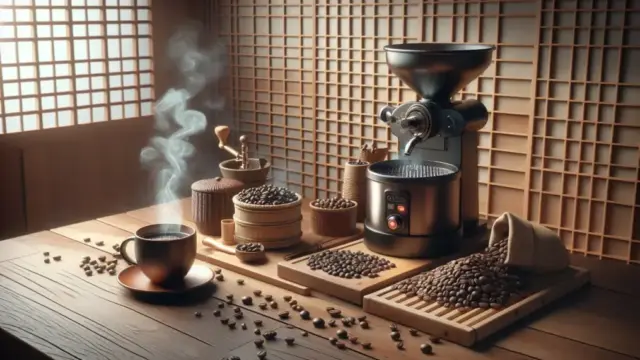
Roasting coffee at home might sound like a challenging task, but it’s actually quite accessible! There are several methods you can explore, each offering a unique experience. One popular technique is using a stovetop popcorn popper, which allows for even heating and monitoring the roast closely. It’s a fun way to get hands-on with your coffee and truly understand the roasting process.
Another option is using a dedicated home coffee roaster. These devices are designed specifically for roasting coffee and often come with settings that make the process easier. They provide better control over temperature and roast time, ensuring you achieve consistent results. Plus, many home roasters allow you to experiment with different beans and roast levels, making it a great investment for any coffee enthusiast.
No matter which method you choose, keep in mind that practice makes perfect. Don’t be afraid to try different techniques, monitor the roast closely, and adjust your approach based on your taste preferences. Home roasting can be an exciting adventure that not only saves you money but also allows you to craft coffee that’s tailored to your liking.
- Explore stovetop popcorn poppers for roasting coffee.
- Consider investing in a dedicated home coffee roaster.
- Practice roasting to refine your technique and taste.
Coffee Brewing Methods
Differences Between Drip, French Press, and Espresso
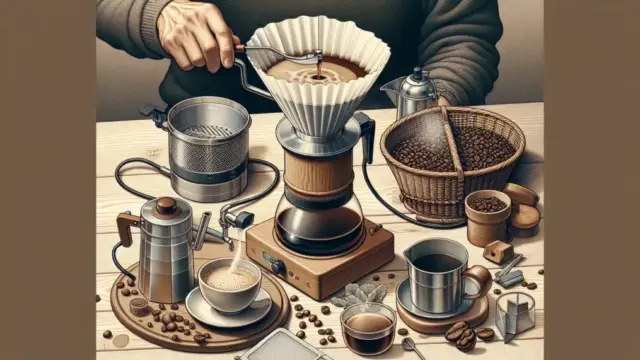
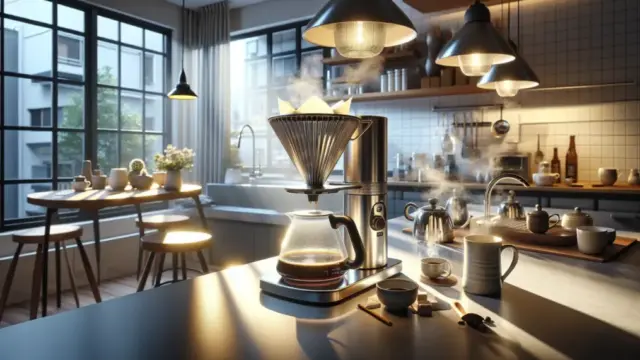
Brewing coffee is an art in itself, and understanding the different methods can significantly enhance your experience. Three popular brewing techniques are drip coffee, French press, and espresso, each offering distinct flavors and aromas. Drip coffee is known for its convenience and consistency. It uses a filter to separate the grounds from the brewed coffee, resulting in a clean and smooth cup. This method is great for those who enjoy a milder flavor and prefer a straightforward brewing process.
On the other hand, French press coffee allows for more oils and fine particles to remain in the brew, giving it a richer body and a more robust flavor. With this method, you steep coarse grounds in hot water before pressing down the plunger, making it a wonderful choice for those who appreciate a fuller taste. Lastly, espresso is a concentrated form of coffee brewed by forcing hot water through finely-ground coffee. This method produces a small, intense shot that’s a favorite for coffee lovers who enjoy bold flavors.
- Drip coffee offers consistency and convenience.
- French press provides a richer, fuller flavor.
- Espresso delivers a concentrated, bold experience.
Importance of Brew Time and Temperature
Brew time and temperature play crucial roles in extracting the best flavors from your coffee grounds. Generally, the ideal brewing temperature for coffee is between 195°F and 205°F (90°C to 96°C). If the water is too hot, it can over-extract the coffee, leading to a bitter taste. Conversely, using water that’s not hot enough can result in under-extraction, leaving your brew tasting weak and flat.
Additionally, brew time varies depending on the method used. For instance, a drip coffee maker typically brews for about 5-6 minutes, whereas a French press should steep for around 4 minutes before pressing. Espresso, on the other hand, brews in about 25-30 seconds, resulting in a quick yet flavorful shot. Paying attention to these factors can make a noticeable difference in the final taste of your coffee, allowing you to adjust them to suit your preferences.
Experimenting with brew times and temperatures not only helps you discover your ideal cup but also enhances your overall coffee knowledge. This journey into the world of brewing is exciting, as it opens the door to endless possibilities for flavor exploration.
If you’re intrigued by the nuances of coffee brewing methods, you might also find value in exploring the intricacies of coffee selection and storage. Check out this insightful article, Discover the Differences in Coffee: A Complete Guide to Enhance Your Daily Brew!, where you can learn about choosing the right beans and brewing techniques to elevate your coffee experience even further.
- Brew temperature should be between 195°F and 205°F.
- Drip coffee takes about 5-6 minutes to brew.
- French press requires a steep time of around 4 minutes.
How to Store Coffee Grounds
Best Storage Containers and Locations
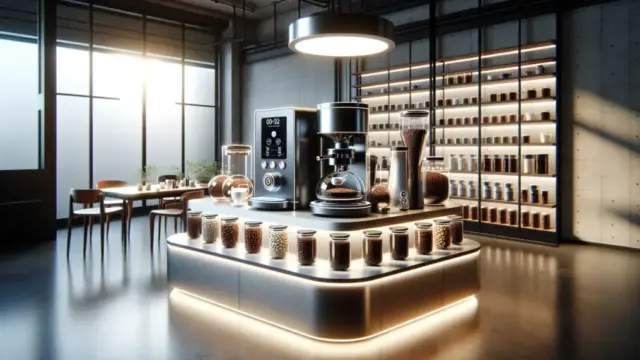
Storing your coffee grounds properly is essential to maintain their freshness and flavor. One of the best ways to do this is by using airtight containers. Glass jars with tight-fitting lids or opaque containers made of ceramic or stainless steel are excellent choices. These materials help to minimize exposure to light and air, which can cause your coffee to go stale quickly.
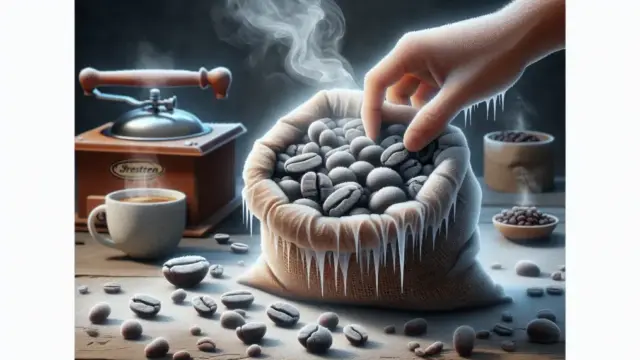
When it comes to location, keep your coffee stored in a cool, dark place, away from heat sources and humidity. A pantry or a cupboard works well, but avoid storing your coffee in the refrigerator or freezer, as the moisture can negatively affect the taste. It’s all about creating an environment that preserves your coffee’s quality.
Additionally, it’s a good idea to only buy as much coffee as you can consume within a few weeks. This way, you can enjoy the freshest flavors without worrying about how long your coffee has been sitting around. Remember, the goal is to keep your coffee grounds as flavorful as possible, so paying attention to storage can make a big difference.
- Use airtight containers made of glass, ceramic, or stainless steel.
- Store coffee in a cool, dark place away from heat and humidity.
- Buy coffee in smaller quantities to ensure freshness.
Relationship Between Storage Time and Flavor
The relationship between storage time and flavor is significant. Over time, coffee grounds lose their aromatic compounds and essential oils that contribute to their rich taste. Ideally, you want to consume your coffee within two weeks of opening the package for optimal flavor. After this period, you may notice a decline in the overall taste and aroma.
If you find yourself with leftover grounds, consider using them in your cooking or baking. Coffee can add a unique depth of flavor to various dishes, such as desserts or marinades. This way, even if the grounds aren’t ideal for brewing, they can still bring a delightful twist to your culinary creations.
- Consume coffee grounds within two weeks for the best flavor.
- Use leftover grounds in cooking or baking for added flavor.
- Keep an eye on the storage time to ensure delicious coffee experiences.
Summary
In this journey through the world of coffee, we’ve explored the essentials of choosing, roasting, brewing, and storing coffee grounds. The right selection of coffee beans and grind size plays a significant role in crafting your perfect cup. Understanding the nuances of roasting can elevate your experience, as different roast levels bring out unique flavors and aromas. Proper storage practices ensure that your coffee retains its freshness, allowing you to enjoy every sip to the fullest.
As you embark on your coffee adventure, remember that experimentation is key. Don’t hesitate to try various beans, roast levels, and brewing methods. Each choice influences the final outcome, and discovering what you enjoy most is part of the fun. Whether you prefer a light and fruity cup or a bold and robust brew, there’s a world of flavors waiting for you to explore.
So, grab your favorite coffee beans and start experimenting! Your next delightful cup of coffee is just a brew away.
- Selecting the right coffee beans and grind size enhances your coffee experience.
- Roasting coffee allows you to discover unique flavors tailored to your taste preferences.
- Proper storage practices maintain the freshness and quality of your coffee grounds.
We’d love to hear your thoughts! What’s your favorite coffee brewing method, or do you have any tips for selecting the perfect coffee? Feel free to share your experiences in the comments below!
Comment