





































Explore the rich and diverse world of coffee with me! Whether you’re a seasoned coffee enthusiast or just starting your journey, understanding the types and flavors of coffee can enhance your experience. From the smooth and sweet notes of Arabica beans to the bold and robust characteristics of Robusta, there’s a whole spectrum of flavors waiting to be explored.
In this article, we’ll dive deep into the different types of coffee and how various factors like roasting and brewing methods impact their flavors. By the end, you’ll not only know what to look for in your next cup but also appreciate the rich culture surrounding coffee around the globe. Let’s get started on this flavorful adventure!
- Discover the differences between Arabica and Robusta beans
- Learn how roasting impacts flavor profiles
- Explore various brewing methods and their unique characteristics
Types and Characteristics of Coffee
Differences Between Arabica and Robusta
When it comes to coffee, the two most popular types are Arabica and Robusta. Each has its own distinct characteristics that make them unique. Arabica beans are known for their smooth, delicate flavor, often featuring hints of sweetness and acidity. They thrive in higher altitudes and are typically grown in regions like Central and South America.
On the other hand, Robusta beans are recognized for their bold, strong flavor and higher caffeine content. They tend to have a more bitter taste and are often used in espresso blends to create a more intense experience. Robusta is commonly cultivated in lower altitudes like Africa and Southeast Asia, making it a more resilient choice for farmers.
Understanding these differences isn’t just about knowing what’s in your cup; it’s about appreciating the journey of coffee from farm to table. By recognizing the unique attributes of each type, you can make more informed choices when selecting your coffee.
- Arabica beans are smooth and sweet
- Robusta beans are bold and bitter
- Each type grows in different regions and conditions
Flavor Profiles by Region
The flavor profile of coffee is also greatly influenced by its region of origin. For instance, coffees from Latin America are often bright and fruity, while those from Africa can be floral and wine-like. Additionally, coffee from Asia tends to have earthy and spicy notes, creating a fascinating variety of tastes to explore.
In Colombia, coffee is typically sweet with a pleasant acidity, making it a favorite among many coffee drinkers. Ethiopian coffee, on the other hand, can surprise you with its complex flavors, ranging from berry-like sweetness to citrusy brightness. Meanwhile, Indonesian coffee often presents a deep, full-bodied taste with earthy undertones.
As you delve into different coffee types and their regional profiles, you’ll discover that each cup tells a story of its origins. The climate, soil, and growing conditions all play a vital role in shaping the flavors we enjoy. This exploration can lead to some delightful surprises as you experiment with various blends and single-origin coffees.
- Latin American coffees are bright and fruity
- African coffees are floral and complex
- Asian coffees have earthy and spicy notes
Importance of the Roasting Process
Basics and Types of Roasting
Roasting is a crucial step in transforming green coffee beans into the aromatic and flavorful coffee we all love. It’s during this process that the beans undergo chemical changes, developing the rich flavors and aromas that make each cup unique. There are different roasting levels, ranging from light to dark, each producing distinct characteristics in the final brew.
Light roasts retain more of the original coffee flavor, showcasing the beans’ unique attributes, while dark roasts emphasize the roasting process itself, often resulting in a bolder and more intense flavor. Understanding these roasting types is essential for any coffee lover who wants to appreciate the full spectrum of flavors available in their cup.
- Light roasts preserve original flavors
- Medium roasts offer a balance of acidity and sweetness
- Dark roasts produce bold and intense flavors
How Roast Level Affects Flavor
The roast level plays a significant role in determining the flavor profile of coffee. As beans are roasted, they undergo Maillard reactions that develop sugars and acids, contributing to their taste. For example, light roasts often have a brighter acidity and fruity notes, which highlight the bean’s origin. This is where you can really taste the terroir, as the unique growing conditions come through in the flavor.
As you move to medium roasts, the balance shifts. Here, you’ll experience a smoother taste with a mix of acidity and sweetness. This roast level is popular because it appeals to a wide range of palates, allowing the coffee’s unique characteristics to shine while still providing that comforting, familiar flavor.
In contrast, dark roasts tend to have a more pronounced bitterness and a heavy body. The sugars in the beans caramelize, creating deep flavors that can include chocolatey or smoky notes. While some coffee enthusiasts enjoy these robust flavors, others may find them overpowering. It’s all about personal preference and what you’re in the mood for.
As you explore coffee varieties, consider how the roast level affects your drinking experience. Trying different roasts can open up a whole new world of flavors and aromas that you may not have encountered before. You might discover that a light roast from Ethiopia offers a completely different experience than a dark roast from Brazil.
- Light roasts highlight the bean’s origin
- Medium roasts provide a balanced flavor experience
- Dark roasts deliver bold, intense flavors
Brewing Methods for Coffee
Differences Between Drip and French Press
When it comes to brewing coffee, the method you choose can significantly impact the flavor profile of your cup. Two popular methods are drip brewing and French press. Each has its own unique characteristics that cater to different tastes and preferences.
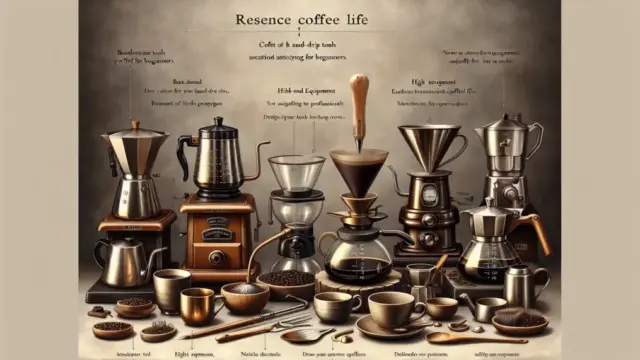
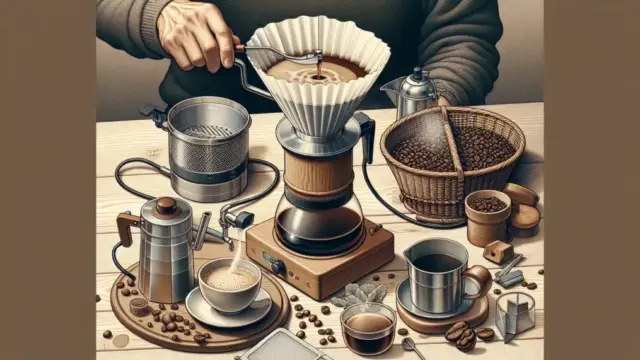
Drip coffee makers are convenient and easy to use, allowing you to brew multiple cups at once. The water passes through a filter, extracting flavors from the coffee grounds as it drips into a carafe. This method tends to produce a clean and crisp cup of coffee, making it an excellent choice for those who enjoy a more straightforward flavor profile.
On the other hand, the French press method offers a richer and fuller taste. In this method, coffee grounds steep in hot water, allowing the oils and fine particles to remain in the brew. This results in a bold flavor that many coffee lovers appreciate. The French press also allows for more control over the brewing time, which can help you fine-tune the taste to your liking.
- Drip brewing is convenient and produces a clean cup
- French press offers a richer, fuller flavor
- Each method allows for different brewing times and strengths
The Allure of Espresso and Its Brewing Method
Espresso is a beloved coffee style that has captured the hearts of many. Known for its concentrated flavor and velvety texture, espresso is brewed by forcing hot water through finely-ground coffee under high pressure. This process creates a small but mighty shot of coffee that packs a punch in terms of flavor.
One of the most delightful aspects of espresso is its versatility. It serves as the base for a variety of coffee drinks, including lattes, cappuccinos, and Americanos. Each drink highlights the rich flavors of the espresso while adding unique elements, such as steamed milk or flavored syrups. This adaptability makes espresso a favorite among coffee enthusiasts and casual drinkers alike.
Brewing espresso requires a bit more equipment and technique compared to other methods, but the effort is well worth it. A high-quality espresso machine can elevate your coffee experience, allowing you to create café-style beverages at home. With practice, you can perfect your espresso-making skills and impress your friends with your barista-level creations.
- Espresso is concentrated and rich in flavor
- It serves as the base for various popular coffee drinks
- Brewing espresso requires technique and equipment but is rewarding
Coffee Storage and Culture
How to Store Coffee for Freshness
To truly enjoy the delightful flavors of coffee, proper storage is key. Freshness can make all the difference in your brewing experience. After purchasing your favorite coffee, consider how to keep it at its best. The first step is to store your coffee beans in an airtight container. This prevents exposure to air, which can lead to oxidation and loss of flavor over time.
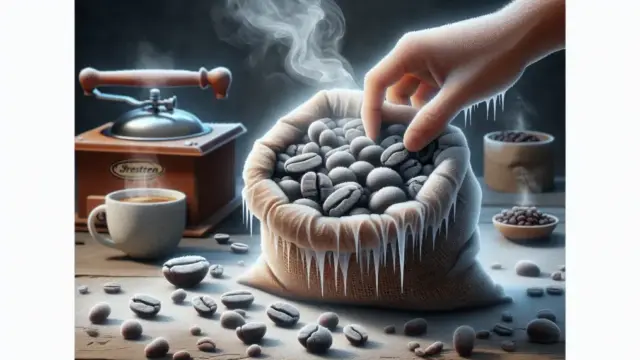
Additionally, keeping your coffee in a cool, dark place will protect it from heat and light, both of which can degrade the quality of the beans. Avoid storing coffee in the fridge or freezer, as moisture can be harmful. Instead, a cabinet or pantry is the ideal spot. By following these simple guidelines, you’ll ensure that each cup of coffee you brew remains as fresh and flavorful as possible.
- Use an airtight container for storage
- Keep coffee in a cool, dark place
- Avoid refrigeration or freezing
Enjoying Coffee Culture Around the World
Coffee isn’t just a beverage; it’s a cultural experience that varies across the globe. Each region has its own unique traditions and rituals surrounding coffee consumption. For example, in Italy, coffee is often enjoyed as a quick espresso at the bar, emphasizing the social aspect of the drink. Meanwhile, in Turkey, coffee is brewed in a special pot called a cezve, and served with a side of sweets, making it a cherished part of hospitality.
In Ethiopia, the birthplace of coffee, the coffee ceremony is a significant social event. This elaborate process includes roasting beans, brewing coffee in a special pot, and serving it in small cups. It’s a time for friends and family to gather, fostering connection and community. Each of these cultural practices highlights how coffee transcends mere enjoyment; it brings people together.
As you explore different types of coffee, take a moment to appreciate the rich cultural heritage that accompanies it. The flavors you taste can tell a story of tradition, craftsmanship, and the people behind each cup. Next time you sip your coffee, think about the journey it took from the farm to your mug, and the cultures that cherish it around the world.
- Coffee traditions vary by region
- Social aspects of coffee consumption are significant
- Appreciate the cultural heritage behind each cup
Summary
As we wrap up our exploration of the diverse world of coffee, it’s clear that understanding the different types and their flavors can greatly enhance your coffee experience. Whether you prefer the smooth notes of Arabica or the bold characteristics of Robusta, each type offers unique qualities that reflect their origins and roasting methods. The brewing method you choose further influences the final flavor in your cup, making it an exciting journey of discovery.
Coffee is not just a drink; it’s a cultural phenomenon that connects people worldwide. From the traditional coffee ceremonies of Ethiopia to the quick espresso shots in Italy, each culture brings its own flavor to the coffee experience. By appreciating these aspects, you enrich your understanding of this beloved beverage and celebrate the craftsmanship involved in every cup.
- Recognizing the differences between Arabica and Robusta enhances your coffee choices.
- The roast level significantly impacts the flavor profile, offering a range of experiences.
- Coffee culture varies globally, making each cup a reflection of tradition and community.
I’d love to hear your thoughts! What’s your favorite type of coffee, and how do you enjoy it? Feel free to share your experiences in the comments!
Comment