








































Are you ready to dive into the fascinating world of coffee? Whether you’re just starting your coffee journey or you’re a seasoned enthusiast, understanding the *types and characteristics of coffee* can greatly enhance your appreciation. From the rich history of this beloved beverage to the nuances of flavor and aroma, there’s so much to explore.
In this guide, we will unravel the different types of coffee beans, focusing on the famous Arabica and Robusta, as well as some lesser-known varieties. Each type brings its own unique flavors and characteristics, making your coffee experience even more enjoyable.
Not only will we discuss how these beans are cultivated and produced, but we’ll also explore how their distinct qualities affect the brewing process. By the end of this article, you’ll have a deeper understanding of what makes each coffee type special and how to select the best beans for your taste.
So, grab your favorite mug and get ready for an enlightening journey through the delicious world of coffee! You might just discover your new favorite brew along the way.
- Learn about the rich history and cultivation of coffee.
- Discover the main types of coffee beans and their unique flavors.
- Get tips on how to select, store, and brew your coffee for the best experience.
Basics of Coffee
History of Coffee
The journey of coffee begins in ancient Ethiopia, where legend has it that a goat herder named Kaldi discovered the energizing effects of coffee berries. Fascinated by how his goats danced with excitement after eating the berries, Kaldi decided to try them himself. This serendipitous moment sparked the chain of events that would lead to coffee becoming a global phenomenon.
As coffee made its way through trade routes, it reached the Arabian Peninsula, where it became an integral part of the culture. By the 15th century, coffee houses, known as qahveh khaneh, began to emerge in Persia, Egypt, and the Ottoman Empire. These establishments transformed into social hubs where people gathered to enjoy coffee, converse, and debate various topics. The popularity of coffee spread rapidly across Europe in the 17th century, leading to the establishment of coffee houses that served as centers for intellectual exchange.
Today, coffee is enjoyed worldwide, with each country adding its unique twist to the beverage. Exploring the history of coffee not only gives us insight into its cultural significance but also enriches our appreciation for the diverse flavors we enjoy today.
- Learn about the origins of coffee and its legend.
- Discover how coffee spread across different cultures.
- Understand the role of coffee houses in promoting social interaction.
Cultivation and Production of Coffee
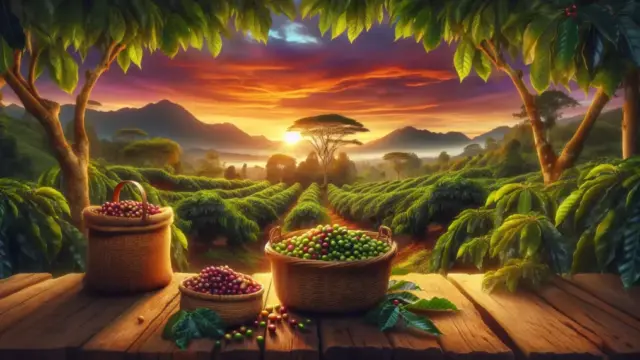
When it comes to the cultivation of coffee, there are several key factors that influence the quality and taste of the beans. Coffee is typically grown in tropical and subtropical regions, known as the “Bean Belt,” where the climate is just right for coffee plants to thrive. The two primary species of coffee, Arabica and Robusta, have distinct growing requirements and flavor profiles.
Arabica beans, which account for about 60-70% of global coffee production, prefer higher altitudes and cooler temperatures. They are known for their sweet, soft flavor and aromatic qualities. On the other hand, Robusta beans are hardier and can grow at lower altitudes, yielding a stronger and more bitter taste. The differences in cultivation methods and environmental conditions significantly affect the characteristics of the coffee produced, making each cup a reflection of its origin.
Understanding the cultivation and production process not only helps you appreciate your coffee more but also empowers you to make informed choices when selecting beans for your next brew.

If you’re intrigued by the fascinating journey of coffee and its various types, you might also enjoy learning about the unique characteristics and uses of Brazilian coffee beans. This article, “A Classic with Depth! The Unique Characteristics and Uses of Brazilian Coffee Beans,” delves into the rich flavors and versatility of Brazil’s finest brews, making it a perfect companion to your coffee exploration.
- Explore the ideal growing conditions for coffee plants.
- Learn about the differences between Arabica and Robusta beans.
- Discover how cultivation methods impact coffee flavor.
Main Types of Coffee
Arabica and Robusta
When diving deeper into the types and characteristics of coffee, the two most prominent varieties are Arabica and Robusta. Each of these beans offers a unique flavor profile and experience, making them favorites among coffee lovers worldwide.
Arabica coffee is renowned for its smooth, mild taste and aromatic qualities. Grown primarily in higher altitudes, it requires specific conditions to thrive, which contributes to its delicate flavor. Many coffee enthusiasts appreciate the hints of sweetness and complexity found in Arabica brews, making it a popular choice for specialty coffees. On the other hand, Robusta beans are typically more robust and bitter, often characterized by a stronger caffeine kick. They grow at lower altitudes and are hardier, which means they can withstand various climate challenges. This resilience translates into a different taste experience, often preferred for espresso blends due to their rich crema.
Understanding these two primary types not only helps you appreciate the nuances in flavor but also guides you in selecting the right beans for your brewing preferences. Whether you lean towards the smoothness of Arabica or the boldness of Robusta, knowing their differences can enhance your coffee journey.
- Arabica is known for its sweet and mild flavor.
- Robusta offers a stronger, more bitter taste and higher caffeine content.
- Choosing between Arabica and Robusta depends on your flavor preferences and brewing methods.
Other Varieties
While Arabica and Robusta take the spotlight, there are several other fascinating coffee varieties that deserve attention. These lesser-known types contribute unique flavors and experiences, expanding the coffee landscape beyond the mainstream options.
For instance, Liberica is a variety that offers a distinct fruity and floral aroma, often described as having a somewhat woody taste. It’s less common but can be a delightful surprise for adventurous coffee drinkers. Another interesting variety is Excelsa, known for its tart and fruity flavors, often used in blends to add complexity. Exploring these alternative options can open up new avenues for your palate and introduce you to exciting flavor profiles that you may not have encountered before.
Embracing the diversity of coffee types not only enriches your understanding but also allows you to experiment with different brews and find your personal favorites. As you continue your coffee journey, don’t hesitate to explore these other varieties and savor the distinct experiences they bring.
- Liberica offers a fruity and floral aroma with a woody taste.
- Excelsa is known for its tart and fruity flavors, great for blending.
- Exploring lesser-known varieties can enhance your coffee experience.
Characteristics and Flavors of Coffee
Differences in Aroma and Flavor
As we explore the *types and characteristics of coffee*, one of the most exciting aspects is the diverse aromas and flavors that each type brings to the table. The aroma of coffee can range from fruity and floral to nutty and chocolatey, influenced by factors such as the bean variety, growing conditions, and roasting process. For instance, Arabica beans often display bright, fruity notes, while Robusta tends to have a more earthy and robust profile.
Understanding these differences can elevate your coffee experience. When you choose a coffee, consider not only the flavor but also the aroma. The scent plays a crucial role in how we perceive taste, and it can enhance the overall enjoyment of your cup.
- Arabica typically has fruity and sweet aromas.
- Robusta offers earthy and strong scents.
- Experimenting with various brewing methods can highlight different aromas.
Texture and Aftertaste
Another important aspect of coffee that often gets overlooked is the texture and aftertaste. The texture can vary widely, from a light and silky mouthfeel to a heavier, more syrupy sensation. Arabica coffee generally has a smoother texture, while Robusta can feel more full-bodied, which contributes to its strong presence in espresso blends.
Aftertaste, or the flavors that linger after sipping, is equally important. Some coffees leave a pleasant, sweet finish, while others may present a bitter or sharp aftertaste. For example, a well-brewed Arabica might leave you with a delightful sweetness that invites another sip, while a robust Robusta could have a lingering bitterness that some find appealing in certain contexts, like in a strong espresso.
Being mindful of these characteristics can help you appreciate the nuances of each cup you enjoy. As you continue to explore the world of coffee, pay attention to how different beans and brewing methods affect both the texture and aftertaste of your drink. This awareness will deepen your understanding and enjoyment of your coffee journey.
- Textures can range from light and silky to heavy and syrupy.
- Aftertaste can enhance or detract from your overall experience.
- Different brewing methods can influence both texture and aftertaste.
Habits to Enjoy Coffee
Choosing and Storing Beans
Once you’ve explored the different types and characteristics of coffee, the next step is learning how to choose and store your beans for the best experience. The way you select your coffee can significantly impact the flavors you enjoy in each cup. It’s essential to look for fresh beans, ideally from a reputable roaster who can provide details on the origin and roast date. Freshness plays a big role in flavor, so always aim for beans that have been roasted recently.
When it comes to storage, the right conditions can help preserve the quality of your beans. Ideally, keep your coffee in an airtight container, away from light, heat, and moisture. A cool, dark place like a pantry is typically best. Avoid storing coffee in the fridge or freezer, as this can introduce moisture and lead to stale flavors over time. By taking care in how you choose and store your beans, you can ensure that your coffee remains delightful and aromatic.
- Look for freshly roasted beans from reputable sources.
- Store coffee in an airtight container in a cool, dark place.
- Avoid refrigeration or freezing to maintain freshness.
Basics of Brewing Techniques
Now that you have your beans selected and properly stored, let’s dive into the basics of brewing techniques. The method you choose can greatly influence the final taste of your coffee. Different brewing techniques bring out various flavors and aromas, so it’s worth experimenting to find what you enjoy most.
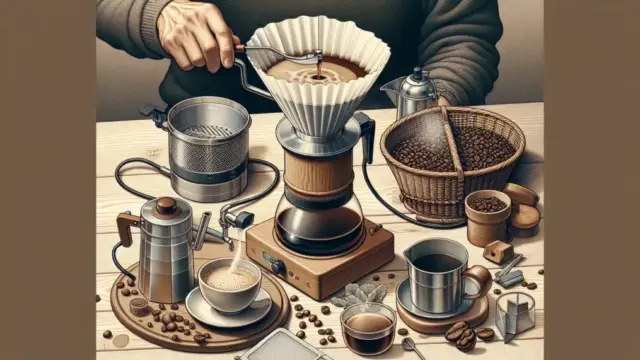
One popular method is the pour-over technique, which allows for precise control over the brewing process. This method highlights the unique characteristics of the beans, especially when using high-quality Arabica. Another common method is the French press, which produces a rich, full-bodied coffee. This technique is perfect for those who appreciate a robust flavor, often found in Robusta beans.
Additionally, espresso brewing creates a concentrated shot that captures the essence of coffee. It’s often used as a base for many coffee drinks, like lattes and cappuccinos. Each of these methods has its nuances, including water temperature, grind size, and brew time, all of which can impact the final cup.
As you explore these brewing techniques, remember that practice makes perfect. Don’t hesitate to try different methods and adjust the variables to suit your taste preferences. This experimentation will deepen your appreciation and understanding of coffee, allowing you to enjoy each cup to the fullest.
- Experiment with different brewing methods to find your favorite.
- Pour-over highlights delicate flavors, while French press offers richness.
- Espresso serves as a base for many popular coffee drinks.
- Adjust variables like grind size and brew time to suit your taste.
Summary
As we wrap up our exploration of the types and characteristics of coffee, it’s clear that this beloved beverage offers a rich tapestry of flavors, aromas, and experiences. From the renowned Arabica and Robusta beans to the lesser-known varieties like Liberica and Excelsa, each type brings its unique qualities to the table. Understanding these differences not only enhances your appreciation for coffee but also empowers you to make informed choices that suit your taste preferences.
In addition to the types of coffee, we’ve delved into the importance of cultivation, storage, and brewing techniques, all of which play a crucial role in the final cup you enjoy. By experimenting with different beans and methods, you can elevate your coffee experience and perhaps even discover your new favorite brew.
- Coffee comes in various types, with Arabica and Robusta being the most well-known, each offering distinct flavors.
- Lesser-known varieties like Liberica and Excelsa can introduce exciting new taste experiences.
- Proper selection, storage, and brewing methods are essential for maximizing the flavor and enjoyment of your coffee.
I’d love to hear your thoughts on this coffee journey! What types have you tried, and which ones are your favorites? Feel free to share your experiences in the comments!

Comment