


























Are you ready to take your coffee game to the next level? Understanding the different types of grinders is essential for any coffee enthusiast, whether you’re just starting out or you’ve been brewing for years. The right grinder can make all the difference in extracting the perfect flavor from your beans, and in this guide, we’ll explore everything you need to know to make an informed choice.
From manual to electric options, grinders come in various forms, each with its unique benefits. Choosing the right one for your brewing style can be overwhelming, but don’t worry! We’ll break down the features and advantages of each type, helping you find the perfect fit for your coffee rituals.
In addition to understanding the types of grinders, we’ll also cover essential maintenance tips to ensure your grinder lasts for years to come. So grab your favorite mug, and let’s dive into the world of coffee grinders together!
- Explore the basic functions and importance of grinders in coffee preparation.
- Discover the features and advantages of both manual and electric grinders.
- Learn key tips for choosing the right grinder based on your bean type and budget.
What is a Grinder? Basics and Functions
Basic Functions of Grinders
When it comes to brewing coffee, the grinder plays a vital role in shaping the flavor profile of your cup. Simply put, a grinder’s main function is to break down coffee beans into smaller particles, which enhances the extraction process during brewing. This is crucial because the size of the coffee grounds can significantly affect how water interacts with them, ultimately influencing the taste.
For instance, a finer grind exposes more surface area to water, leading to a quicker extraction. On the other hand, coarser grinds require more time for water to extract the flavors. Understanding these basics helps you appreciate why selecting the right grind size is essential for your preferred brewing method.
Moreover, a good grinder allows for consistency in the size of the coffee particles. Consistency ensures that the extraction process is uniform, which means that you’ll get a balanced flavor in every cup you brew. So, investing in a quality grinder is just as important as choosing the right beans!
- Grinders break down coffee beans into smaller particles.
- The grind size affects extraction time and flavor.
- Consistency in grind size leads to balanced flavors.
Importance of Grinders in Coffee
Now that we understand the basic functions, let’s explore why grinders are so important in the coffee-making process. First, the type of grinder you choose can greatly influence the overall quality of your coffee. A high-quality grinder will ensure that your beans are ground evenly, which translates to a more flavorful and aromatic brew.
Additionally, grinders are essential for unlocking the full potential of your coffee beans. When coffee beans are whole, they maintain their freshness and flavor. Grinding them just before brewing helps preserve those qualities, allowing you to enjoy a fresher cup. This is especially important for those who appreciate the nuanced flavors of specialty coffees.
Furthermore, the right grinder can cater to your specific brewing style. Whether you enjoy a French press, espresso, or pour-over, each method requires a different grind size. By selecting a grinder that aligns with your brewing method, you can elevate your coffee experience and experiment with various flavors.
Lastly, investing in a quality grinder can save you money in the long run. Instead of purchasing pre-ground coffee, which often lacks freshness, having your own grinder allows you to buy whole beans and grind them as needed. This not only enhances your coffee’s taste but also gives you the freedom to explore different beans from around the world.

For those looking to deepen their coffee knowledge and skills, you might find it beneficial to explore this article, Mastering Coffee at Home! Easy Tips for Beginners on Bean Selection and Brewing. It offers valuable insights on bean selection and brewing techniques that complement the importance of grinders in crafting the perfect cup.
- Quality grinders influence coffee quality.
- Grinding beans just before brewing preserves freshness.
- The right grinder matches your brewing style.
- Owning a grinder saves money and enhances flavor.
Understanding the Types of Grinders
Features and Advantages of Manual Grinders
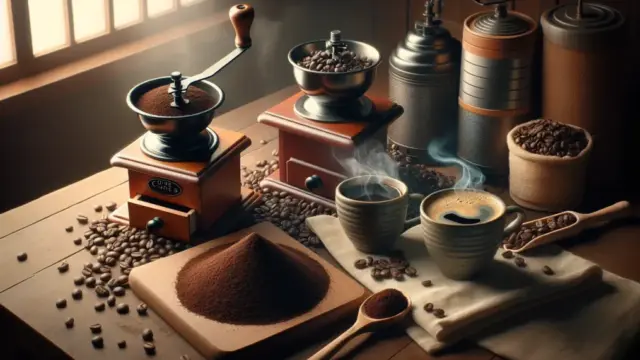
Manual grinders are a great option for those who enjoy a more hands-on approach to coffee preparation. One of the main features of these grinders is their simplicity. They usually consist of a durable grinding mechanism that allows you to control the grind size by adjusting the settings. This hands-on experience can be rewarding, especially when you appreciate the art of coffee making.
In addition to being compact and portable, manual grinders often require no electricity, making them perfect for travel or outdoor adventures. Their design is usually straightforward and easy to use. Plus, many coffee enthusiasts love the ritual of grinding beans manually, as it can enhance the overall experience of brewing a fresh cup.
- Manual grinders offer a tactile coffee preparation experience.
- They are often compact and portable for on-the-go brewing.
- No electricity is required, making them ideal for travel.
Types of Electric Grinders and How to Choose
When it comes to electric grinders, there are two main types: blade grinders and burr grinders. Understanding these options is essential for making an informed decision. Blade grinders use a rotating blade to chop the beans, which can lead to uneven grind sizes. While they are usually more affordable and convenient, they may not produce the best results in terms of flavor extraction.
On the other hand, burr grinders are the preferred choice for serious coffee drinkers. They use two revolving surfaces to crush the beans evenly, allowing for consistent grind sizes. This consistency is crucial for achieving the desired flavor profile in your cup. Moreover, burr grinders often come with various settings, enabling you to customize the grind size for different brewing methods.
When choosing an electric grinder, consider factors such as your budget, the type of coffee you enjoy, and how often you brew. If you’re looking for versatility and precision, a burr grinder might be worth the investment. However, if you’re just starting out or on a tight budget, a blade grinder can still get the job done. Ultimately, the right grinder will help you explore the full spectrum of flavors your coffee has to offer.
- Electric grinders come in blade and burr varieties.
- Burr grinders provide consistent grind sizes for better flavor.
- Consider your budget and brewing preferences when choosing a grinder.
Key Points for Choosing a Grinder
Choosing the Right Grinder for Different Beans
Now that we’ve explored the types of grinders, it’s time to dive into how to choose the right one for your specific coffee beans. Different beans have distinct characteristics that may require different grinding techniques. For instance, if you enjoy medium roast beans, a burr grinder is often the best choice, as it allows for consistent grinding, which brings out the unique flavor profile of the beans.
On the other hand, if you love darker roasts, you might find that a blade grinder can do the trick. While it may not offer the same level of precision, it can still provide a satisfactory grind for your brewing method. Understanding the roast level and origin of your beans can help you determine the most suitable grinder.
Additionally, consider how you plan to brew your coffee. If you prefer espresso, you’ll need a grinder that can produce a fine grind. For methods like French press or cold brew, a coarser grind is necessary. This understanding will guide you in selecting a grinder that complements your favorite brewing style.
- Match the grinder type to your coffee bean roast and origin.
- Burr grinders are ideal for medium roasts, while blade grinders work for darker roasts.
- Consider your brewing method when choosing the grind size.
Balancing Price and Performance
When it comes to investing in a coffee grinder, balancing price and performance is key. Many coffee lovers want to enhance their brewing experience without breaking the bank. There are plenty of affordable options that still provide good quality, especially for beginners. However, it’s essential to recognize that sometimes, spending a little more can significantly improve your coffee experience.
Take time to research different brands and models. Reading reviews can provide insight into how well a grinder performs in real-life situations. Look for consistent grind size and durability, as these factors contribute to the overall value of the grinder. Investing in a reliable model could save you money in the long run, as you won’t need to replace it frequently.
Furthermore, keep in mind that you don’t need the most expensive grinder on the market. Many mid-range options deliver excellent performance without the premium price tag. Focus on finding a grinder that fits your needs and preferences, and you’ll be well on your way to brewing fantastic coffee at home.
- Balance your budget with the performance you expect from a grinder.
- Research brands and read reviews to find reliable options.
- Mid-range grinders can offer great value for your coffee experience.
- Focus on durability and consistency when making your choice.
Maintenance and Precautions for Grinders
Maintenance Tips for Longevity
Taking care of your grinder is essential if you want it to last and perform well over time. Regular maintenance can prevent common issues and ensure that your coffee always tastes great. One of the simplest things you can do is to clean your grinder regularly. Coffee oils and grounds can build up, affecting the flavor of your coffee and the performance of the grinder itself. Depending on your usage, aim to clean it every few weeks or at least once a month.
Another important maintenance tip is to check the burrs or blades for wear and tear. Over time, these components can become dull, which affects the grind consistency. If you notice that your grinder isn’t producing the same quality of grind, it might be time to replace the burrs or blades. Many models allow for easy replacement, so it’s worth checking your manufacturer’s recommendations.
Finally, store your grinder in a cool, dry place. Keeping it away from moisture and heat can help avoid rust or other damage. By following these simple maintenance tips, you can keep your grinder in top shape and enjoy delicious coffee every day.
- Clean your grinder regularly to avoid buildup.
- Check burrs or blades for wear and replace as needed.
- Store your grinder in a cool, dry place to prevent damage.
Usage Precautions and Troubleshooting
While grinders are generally straightforward to use, it’s essential to follow some precautions to ensure safe and effective operation. First, always make sure your grinder is unplugged when you’re cleaning or making adjustments. This prevents any accidental starts and keeps you safe. Furthermore, avoid overfilling the grinder with beans. Too many beans can cause jams and lead to uneven grinding, which ultimately affects the flavor of your coffee.
If you encounter issues while using your grinder, such as it not starting or making unusual noises, check for blockages. Sometimes, coffee grounds can get stuck, preventing the grinder from functioning correctly. Unplug it and carefully inspect the grinding chamber. If everything looks clear but the problem persists, refer to the troubleshooting section of your user manual for specific guidance.
Another common issue is inconsistent grind size. If you find that your grinder isn’t producing the desired consistency, it may be time to adjust the settings. Experiment with different grind sizes to find what works best for your brewing method. Remember, a little patience goes a long way when troubleshooting.
- Always unplug the grinder before cleaning or adjusting.
- Avoid overfilling to prevent jams and uneven grinds.
- Check for blockages if the grinder is not starting or making noise.
- Adjust settings for consistent grind size based on brewing method.
Summary of Grinder Types and Their Importance
In our journey through the world of coffee grinders, we’ve learned that selecting the right type can greatly enhance your coffee experience. Whether you prefer the tactile control of a manual grinder or the convenience of an electric one, understanding the features and benefits of each type is essential. Remember, a quality grinder not only ensures a consistent grind size but also preserves the freshness and flavor of your coffee beans, leading to a more enjoyable brew every time.
Ultimately, the decision on which grinder to choose depends on your personal preferences, brewing style, and budget. By investing time in understanding the different types of grinders available, you can make an informed choice that aligns with your coffee goals. So, take your time, explore your options, and enjoy the process of finding the perfect grinder for your coffee rituals.
- Choosing the right grinder is crucial for enhancing the flavor and quality of your coffee.
- Manual grinders offer a hands-on experience, while electric grinders provide consistency and ease of use.
- Understanding your brewing method and bean type will guide you in selecting the best grinder for your needs.
We’d love to hear your thoughts! What type of grinder do you prefer, and how has it impacted your coffee-making experience? Share your comments below!
Comment