





























Do you ever wonder why some cups of coffee taste better than others? One key factor could be the expiration date of the coffee beans you’re using. Understanding how long your beans can maintain their freshness not only enhances your brewing experience but also elevates the flavor of your favorite morning ritual. Join me as we explore the ins and outs of coffee bean expiration dates and how they can impact your daily brew.
In this article, we’ll dive into the various types of coffee beans, their respective expiration timelines, and how proper storage can preserve their delightful flavors. Whether you’re a casual drinker or a dedicated coffee aficionado, there’s something here for everyone to learn about making the best cup of coffee possible.
- Learn about the expiration dates of different types of coffee beans.
- Discover how to identify fresh beans and their impact on flavor.
- Find out the best storage methods to keep your coffee tasting great.
What is the Expiration Date of Coffee Beans?
Basic Knowledge of Expiration Dates
When it comes to coffee beans, understanding expiration dates is essential for enjoying the best flavors. Unlike some foods that can last for long periods, coffee beans have a specific time frame in which they taste their best. Freshness is key, and knowing how long your beans stay fresh will help you brew a delightful cup every time.
Typically, the expiration date on coffee packaging refers to the period during which the beans maintain their optimal flavor and aroma. After this date, the quality can start to decline, leading to a less enjoyable coffee experience. It’s interesting to note that coffee doesn’t spoil like perishable foods, but it can lose its vibrant taste over time. So, being mindful of these dates can really enhance your coffee enjoyment.
To make the most of your coffee, it’s important to pay attention to how you store your beans, as this can significantly impact their freshness. A little knowledge about expiration dates can go a long way in ensuring that every cup you brew is as delightful as the last.
- Coffee beans typically last 3 to 6 months after roasting.
- The flavor can start to fade within a week of opening the package.
- Proper storage methods can extend the freshness of your coffee beans.
Expiration Dates by Type of Coffee Beans
Different types of coffee beans have varying expiration timelines, and it’s helpful to know what to expect. For instance, whole beans tend to retain their freshness longer than pre-ground coffee. Whole beans can last up to six months when stored properly, while ground coffee usually starts to lose its flavor within a few weeks.
On the other hand, specialty coffees, which often come with unique flavor profiles, can be more sensitive to time. These beans are often roasted in smaller batches and are intended to be enjoyed fresh. So, if you’ve got a bag of single-origin or artisan coffee, it’s best to consume it within a month for the most exciting flavors.
In addition, the brewing method can influence how you perceive freshness. For example, if you’re using a French press, you might notice that stale beans don’t extract as well, leading to a flat taste. Understanding the expiration dates specific to the beans you enjoy will help you choose the right ones and savor their flavors at their peak.
- Whole beans last longer than ground coffee.
- Specialty coffees should be consumed within a month for optimal flavor.
- Brewing methods can affect the perception of freshness.
Choosing Beans and Its Impact
How to Identify Fresh Beans
When selecting coffee beans, freshness is everything. But how do you know if the beans you’re eyeing are fresh? One simple trick is to look for the roast date on the bag. Freshly roasted beans will typically have a date printed on them, and you want to choose beans that are as recent as possible. Ideally, drinking coffee made from beans within two weeks of roasting will give you the best flavor.
Another way to check freshness is by using your senses. Take a moment to smell the beans; they should have a rich, fragrant aroma. If they smell flat or have a stale scent, it’s a sign that they may not be fresh anymore. Additionally, the appearance of the beans matters. Look for shiny, oily surfaces which indicate freshness. Dull beans can mean they have lost their oils and flavors, so keep an eye out for those gleaming beauties.
- Look for the roast date on the packaging.
- Smell the beans for a rich aroma.
- Check for shiny, oily surfaces on the beans.
Differences in Expiration Dates by Roasting Level
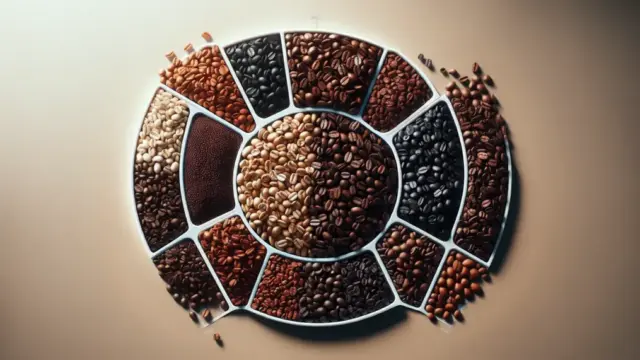
The roast level of coffee beans plays a significant role in their expiration dates. Lightly roasted beans tend to have a longer shelf life compared to darker roasts. This is because lighter roasts retain more of their natural oils, which contributes to their flavor and freshness. Generally, you can expect light roasts to stay fresh for up to six months, while medium to dark roasts may start losing their vibrant taste after about four months.
Moreover, the flavor profile also changes with the roast level. Dark roasts have a bolder, more intense flavor, which can mask some staleness if they sit around too long. However, this doesn’t mean they should be ignored when it comes to freshness. Even with their robust flavor, stale dark roasts can lead to an unsatisfactory cup. So, balancing roast levels with freshness is key to enjoying the full spectrum of flavors coffee has to offer.
Lastly, being mindful of how you store your coffee beans can help maintain their freshness, regardless of the roast level. Keeping them in a cool, dark place in an airtight container can go a long way in preserving their delightful taste. Understanding these nuances will empower you to choose the right beans and enjoy a sensational cup each time.
- Lightly roasted beans can last up to six months.
- Medium to dark roasts may lose flavor after four months.
- Proper storage can extend freshness for all roast levels.
How Storage Methods Affect Coffee Flavor
Optimal Storage Containers
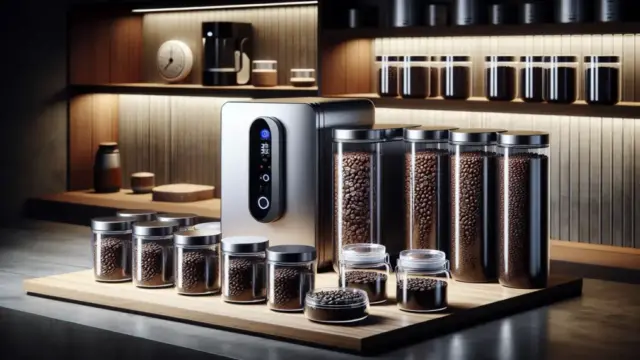
When it comes to preserving the delightful flavors of your coffee beans, choosing the right storage container is crucial. Airtight containers are your best friend in this quest. They help keep moisture and air at bay, which can quickly degrade the quality of your beans. Glass jars with tight-fitting lids or opaque containers made from materials like stainless steel are excellent options. These types of containers minimize exposure to light and air, allowing your beans to maintain their freshness for a longer time.
Another thing to consider is the size of the container. It’s best to use a container that fits the amount of coffee you typically buy. If there’s too much air in a larger container, it can accelerate the staling process. By using an appropriately sized container, you can ensure that your beans are protected from the elements while still being easily accessible for your daily brew.
- Use airtight containers to keep moisture and air out.
- Glass jars or opaque stainless steel containers work well.
- Choose a container size that matches your coffee consumption.
The Importance of Storage Location
Where you store your coffee beans is just as important as how you store them. A cool, dark place is ideal for keeping your beans in top condition. Avoid storing them near heat sources like stoves or in direct sunlight, as these can cause the beans to deteriorate quickly. A pantry or a cupboard away from light and heat is usually the best spot for your coffee stash.
Additionally, humidity can be a significant factor in the freshness of your coffee. Storing beans in a bathroom or near a sink, where moisture levels can fluctuate, is not a good idea. Instead, aim for a stable environment with low humidity to preserve the flavors. By being mindful of your storage location, you can help ensure that every cup of coffee you brew is packed with the rich flavors you love.
Lastly, remember to keep your beans away from strong odors. Coffee is quite absorbent and can pick up scents from its surroundings, which might alter its taste. So, storing your beans in an area free from strong spices or other aromatic foods is key to enjoying the pure flavor of your coffee.
- Store beans in a cool, dark place.
- Avoid areas with fluctuating humidity.
- Keep beans away from strong odors to maintain their flavor.
The Charm of Coffee Through Culture and History
Coffee Culture Around the World
Coffee isn’t just a beverage; it’s a global phenomenon that connects people from various cultures. Each country has its own unique way of enjoying coffee, and these traditions often reflect local customs and preferences. For instance, in Italy, coffee is typically served as a quick shot of espresso, enjoyed standing at the bar. On the other hand, in countries like Sweden, the concept of “fika” emphasizes taking a break with coffee and pastries, highlighting the social aspect of coffee drinking.
As you explore coffee culture around the world, you’ll notice that the way coffee is prepared and served can vary widely. In Ethiopia, coffee ceremonies are an essential part of hospitality, where the beans are roasted, ground, and brewed in front of guests. This ritual not only showcases the skill of the host but also creates a community atmosphere that fosters conversation and connection.
Moreover, the rise of specialty coffee shops has led to a growing appreciation for artisanal brewing methods. From pour-over techniques to cold brew, coffee enthusiasts are eager to experiment with different styles. This global exchange of coffee culture allows individuals to connect and share their love for this enchanting drink, broadening our understanding of coffee’s role in society.
- Coffee traditions vary significantly around the world.
- Social interactions are often centered around coffee.
- Specialty coffee shops are reshaping how we enjoy coffee.
History of Coffee and Its Development
The history of coffee is as rich and complex as its flavor. It all began in Ethiopia, where legend has it that a goat herder named Kaldi discovered the energizing effects of coffee beans after observing his goats frolicking energetically after eating them. From these humble beginnings, coffee made its way to the Arabian Peninsula, where it became a crucial part of Islamic culture.
Coffeehouses, known as “qahveh khaneh,” began popping up in the Middle East during the 15th century. These establishments became centers for socializing, conversation, and intellectual exchange. They were often referred to as “schools of the wise,” where patrons could engage in discussions and share ideas. This cultural significance of coffeehouses spread to Europe in the 17th century, sparking a coffee craze that led to the establishment of coffeehouses in cities like London and Paris.
As coffee continued to evolve, its production and trade grew exponentially. The establishment of coffee plantations in the Caribbean and South America around the 18th century transformed coffee into a global commodity. The impact of colonialism and the transatlantic slave trade played a significant role in shaping the coffee industry, with lasting effects on the economies and cultures of producing countries.
Today, coffee remains an integral part of daily life for millions of people worldwide. Its journey from the Ethiopian highlands to your morning cup reflects a fascinating interplay of culture, history, and commerce. Understanding this rich background adds depth to your coffee experience and allows you to appreciate every sip a little more.
- Coffee’s origins trace back to Ethiopia.
- Coffeehouses became centers for social interaction and intellectual exchange.
- The global coffee trade has deep historical roots influenced by colonialism.
With this exploration of coffee’s cultural and historical significance, you can now appreciate not just the flavors but also the stories behind every cup you brew. Each sip connects you to a larger narrative, inviting you to reflect on the rich tapestry of coffee’s journey through time and across borders.
Summary of Coffee Beans and Their Expiration Dates
In this exploration of coffee beans and their expiration dates, we’ve uncovered the importance of freshness in achieving the best flavor in your coffee. Understanding how long coffee beans can maintain their quality is essential for both casual drinkers and serious enthusiasts alike. By paying attention to the expiration dates, you can ensure that each cup of coffee you brew is a delightful experience.
We’ve also learned that different types of coffee beans have varying expiration timelines, with whole beans generally lasting longer than ground coffee. Proper storage methods can help preserve their delightful flavors, allowing you to enjoy the rich taste of your favorite brews.
Additionally, we’ve discussed how the roast level impacts the freshness and flavor profile of the beans. Lightly roasted beans tend to have a longer shelf life compared to darker roasts, making it important to consider the roast level when selecting your coffee.
Finally, the cultural and historical significance of coffee adds depth to our appreciation for this beloved beverage. Each cup connects us to a rich narrative that spans across time and geography, making every sip an invitation to explore the world of coffee even further.
- Freshness is crucial for an enjoyable coffee experience.
- Whole beans last longer than ground coffee and should be stored properly.
- The roast level affects the expiration timeline and flavor of the coffee.
I’d love to hear your thoughts! What are your favorite tips for ensuring your coffee beans stay fresh? Feel free to share your experiences and suggestions in the comments below!
Comment