


























Have you ever wondered how coffee experts determine the quality and flavor of different beans? Cupping is a fascinating and essential practice in the world of coffee that allows us to explore the unique characteristics of each variety. Whether you’re a beginner just stepping into the coffee realm or an experienced enthusiast looking to refine your skills, understanding the art of cupping can deepen your appreciation for this beloved beverage.
In this guide, we’ll walk you through the basics of coffee cupping, from the tools you’ll need to the steps involved in the process. By the end, you’ll be equipped with the knowledge to confidently taste and evaluate coffee like a pro. Let’s dive into the rich world of flavors waiting for you!
- Discover the fundamental concepts of coffee cupping
- Learn about the essential tools and materials for a successful cupping session
- Get step-by-step instructions to perform cupping at home
What is Coffee Cupping?
Basic Concepts of Cupping
Cupping is more than just a tasting method; it’s an art form that unveils the complex flavors and aromas found in coffee beans. At its core, cupping involves evaluating coffee based on various attributes such as aroma, acidity, body, and aftertaste. It allows you to appreciate the subtleties of each coffee variety and understand what makes them unique.
To get started with cupping, you’ll need a few essential items. Freshly roasted coffee beans, a grinder, hot water, cupping bowls, and a spoon are the basics. The process typically begins by smelling the dry grounds, moving on to pouring hot water over them, and finally tasting the brewed coffee. Each step plays a crucial role in experiencing the coffee’s full profile.
As you delve into cupping, you’ll quickly discover that the experience can vary based on factors such as the origin of the beans, the roast level, and even the brewing temperature. This practice encourages you to explore and compare different coffees side by side, enhancing your ability to identify flavors you might not have noticed before.
It’s exciting to think about how each cupping session opens up a new world of flavor profiles just waiting to be explored. Whether you’re sipping a fruity Ethiopian or a rich Brazilian, cupping helps you make sense of the diverse coffee landscape around you.
- Cupping reveals unique flavor characteristics
- Essential tools include coffee beans, grinder, and bowls
- Tasting involves multiple steps for a comprehensive evaluation
Importance of Cupping
Cupping is an essential practice not just for professionals but for coffee lovers at any level. It enhances your understanding of coffee and improves your tasting skills, allowing you to communicate your preferences more effectively. When you can articulate what you like about a coffee, it becomes easier to find similar varieties in the future.
Moreover, cupping plays a vital role in quality control for roasters and producers. By tasting and evaluating coffee regularly, they can ensure consistency and maintain high standards. This practice helps in recognizing flaws and identifying exceptional beans that stand out.
As you embrace cupping in your coffee journey, remember that it’s about exploration and enjoyment. Each session is a chance to learn something new about your taste preferences and the world of coffee itself. So, grab your tools and get ready to embark on this flavorful adventure.
- Enhances understanding and appreciation of coffee
- Crucial for quality control in coffee production
- Encourages exploration of diverse flavors
Tools and Materials Needed for Cupping
Cupping Equipment
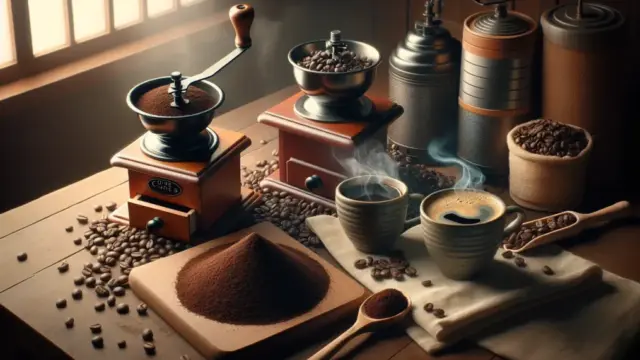
To embark on your cupping journey, having the right equipment is essential. While the process can seem simple, using quality tools can significantly enhance your experience. The first item on your list should be cupping bowls. These shallow, wide bowls allow for proper evaluation of aromas and flavors. Next, a reliable coffee grinder is crucial for achieving a consistent grind size, which affects the extraction during the cupping process.
Hot water is also fundamental. Ideally, it should be around 200°F (93°C) to extract the best flavors from the coffee grounds. A thermometer can help you ensure the right temperature. Lastly, don’t forget spoons! A cupping spoon is typically wider and deeper, making it easier to scoop and taste the coffee. With these basic tools, you’ll be well on your way to conducting your own cupping sessions at home.
- Shallow, wide cupping bowls for aroma evaluation
- Reliable grinder for consistent grind size
- Hot water at around 200°F (93°C) for optimal extraction
- Cupping spoons for tasting
Recommended Coffee Beans
When it comes to choosing coffee beans for cupping, the possibilities are nearly endless. Start by selecting freshly roasted beans, as they provide the most vibrant flavors. It’s a great idea to experiment with different origins, roast levels, and processing methods. For example, you might want to include a light roast from Ethiopia to experience its fruity, floral notes alongside a dark roast from Colombia that offers rich chocolate flavors.
In addition, consider sourcing beans from local roasters or specialty coffee shops. They often carry unique and high-quality options that can elevate your cupping experience. The goal is to create a diverse lineup for tasting, allowing you to explore the various flavor profiles each coffee has to offer. As you taste and compare, you’ll develop a deeper understanding of your preferences and what you enjoy most in coffee.

If you’re intrigued by the unique flavors of coffee, you might find it valuable to explore more about Ethiopian coffee. In the article Your Ultimate Guide to Ethiopian Coffee: Discover Its Charm and How to Enjoy It!, you’ll uncover its rich history and learn how to appreciate its distinctive taste profiles.
- Freshly roasted beans for vibrant flavors
- Experiment with different origins and roast levels
- Source from local roasters or specialty shops for unique options
Steps to Perform Cupping
Preparation Steps
Before diving into the cupping process, taking the time to prepare is key. Start by gathering all your materials: freshly roasted coffee beans, a grinder, cupping bowls, hot water, and spoons. It’s essential to have everything set up in advance so you can focus on the tasting experience without interruptions.
Next, measure out the coffee beans you’ll be using. A common ratio is about 10 grams of coffee for every 150 milliliters of water. This balance helps in achieving the best extraction for flavor evaluation. Once you have your beans ready, grind them to a coarse consistency, similar to sea salt. This texture allows for optimal flavor release during the cupping.
- Gather all necessary materials: coffee beans, grinder, bowls, hot water, and spoons
- Use about 10 grams of coffee per 150 milliliters of water for a balanced brew
- Grind beans to a coarse consistency for optimal flavor release
Executing the Cupping
Now that everything is prepared, it’s time to execute the cupping process. Begin by placing the ground coffee in each cupping bowl. Once you have your bowls filled, take a moment to appreciate the aroma of the dry grounds. This initial sniff sets the stage for the tasting and can reveal a lot about the coffee’s character.
Afterward, it’s time to pour hot water over the coffee grounds. Make sure the water is around 200°F (93°C) for the best results. Allow it to steep for about four minutes. During this time, you’ll notice a crust forming on the surface of the coffee. After the steeping time is up, use a spoon to break the crust gently. This releases a burst of aroma, which is an exciting part of the cupping experience.
As you taste the coffee, take small sips and let it linger on your palate. Pay attention to the flavors, acidity, body, and aftertaste. Each of these components contributes to the overall profile of the coffee. It can be helpful to take notes during this process, noting your impressions and how they evolve with each sip. This practice will enhance your ability to describe what you’re tasting and refine your preferences over time.
Cupping is not just a one-time event; it’s a journey of exploration. Each session allows you to discover new flavors and develop a deeper connection with the coffee you drink. So, don’t hesitate to experiment with different beans and take the time to really enjoy the nuances of each cup you taste.
If you’re intrigued by the nuances of coffee tasting and want to enhance your skills further, you might find it beneficial to check out this article on The Ultimate Guide to Drip Coffee Brewing for Beginners!. It provides essential insights into brewing techniques that can complement your cupping experience and help you appreciate coffee even more.
- Place ground coffee in cupping bowls and appreciate the aroma
- Pour hot water (around 200°F) over the coffee and steep for four minutes
- Break the crust gently with a spoon to release aromas before tasting
- Take small sips, noting flavors and how they evolve over time
Tips and Precautions for Cupping
Points Beginners Should Note
As you embark on your cupping adventure, there are a few essential points to keep in mind. First, always ensure you use freshly roasted coffee beans. Stale beans can lead to a dull tasting experience, making it hard to appreciate the unique flavors. Secondly, don’t rush the process. Take your time with each step, from grinding the beans to savoring the aromas. Cupping is as much about the journey as it is about the destination.
Another important tip is to keep your environment consistent. Factors such as temperature and humidity can affect how coffee tastes. Setting up your cupping area in a calm, controlled environment allows you to focus on the coffee without distractions. Finally, don’t hesitate to take notes during your tasting sessions. Documenting your impressions will not only help you remember what you liked or disliked but also aid in refining your palate over time.
- Use freshly roasted coffee beans for the best flavors
- Take your time and enjoy each step of the process
- Maintain a consistent environment for accurate evaluations
Tips for Experienced Cuppers
For those who have already dipped their toes into the world of cupping, there are still plenty of ways to elevate your experience. One effective approach is to experiment with different grind sizes. While a coarse grind is standard, trying a medium grind can sometimes reveal new flavors. You might be surprised at how a slight change can alter the tasting profile.
Moreover, consider expanding your coffee selection by including less common origins or processing methods. This variety can lead to exciting discoveries and broaden your understanding of coffee’s vast landscape. Lastly, share your cupping experiences with fellow enthusiasts. Engaging in discussions about flavors and preferences can illuminate aspects of coffee you might not have considered before.
If you’re intrigued by the nuances of coffee and want to explore more about the different types available, you might find it helpful to check out this article titled Discover Your Perfect Cup: A Deep Dive into Coffee Varieties. It offers valuable insights into various coffee varieties, helping you make informed choices that can elevate your cupping experience.
- Experiment with different grind sizes for varied flavor profiles
- Include unique origins and processing methods in your tastings
- Share your experiences with others to deepen your coffee knowledge
Summary
Cupping is an essential practice for anyone looking to deepen their understanding of coffee. It not only helps you appreciate the unique flavors and aromas of different beans but also serves as a valuable tool for improving your tasting skills. By following the steps outlined in this guide, you’ll be able to conduct your cupping sessions confidently, whether you’re a beginner or an experienced coffee lover. The journey through flavor exploration is both exciting and rewarding, offering endless opportunities to discover what you love about coffee.
As you engage in cupping, remember that it’s about more than just tasting; it’s about building a connection with the coffee you enjoy. Each session allows for personal growth in your appreciation of coffee’s complexities. So gather your materials, invite friends or fellow enthusiasts, and embark on this flavorful adventure together.
- Cupping enhances your understanding and appreciation of coffee flavors.
- Use freshly roasted beans and maintain a consistent environment for the best results.
- Document your impressions to refine your palate and improve future tasting experiences.
I would love to hear about your own cupping experiences or any questions you might have! Feel free to share your thoughts in the comments below.
Comment