



























Dive into the rich tapestry of British coffee culture, where tradition and innovation blend seamlessly. From the early days of coffee introduction to the rise of coffee houses, the UK’s relationship with this beloved beverage has evolved significantly. Whether you’re a seasoned coffee lover or just starting your journey, there’s always something new to discover about how the UK has embraced coffee.
In this guide, we’ll explore everything from the types of coffee beans available in the UK to the roasting techniques that impact flavor and the various brewing methods that bring out the best in your cup. So, grab your favorite mug and get ready to dive deep into the world of British coffee!
- Discover the fascinating history of coffee in the UK and its cultural significance.
- Learn about different types of coffee beans and tips for selecting the right one.
- Explore various roasting techniques and brewing methods that enhance flavor.
History of Coffee in the UK
Introduction of Coffee and Early Culture
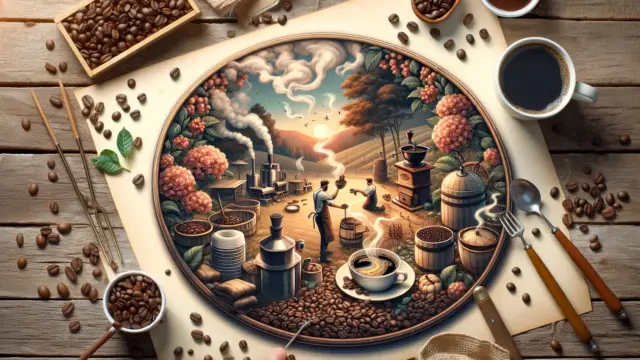
The journey of coffee in the UK began in the 17th century, bringing with it a wave of excitement and curiosity. Initially introduced as a novel drink, many were captivated by its unique flavor and stimulating effects. This was a time of exploration and trade, allowing coffee beans to travel from distant lands to London, where they quickly gained popularity among the elite.
As coffee began to spread, it also sparked discussions about its health benefits and potential drawbacks. Some people celebrated its energizing qualities, while others expressed concerns about its effects on the body. Despite mixed opinions, coffee was soon embraced as a symbol of sophistication and culture.
This early fascination laid the groundwork for a rich coffee culture that would evolve over the centuries. The UK’s relationship with coffee transformed from mere curiosity into a cherished tradition, paving the way for what was to come.
- Coffee was introduced in the 17th century.
- Initial excitement surrounded its unique flavor.
- Mixed opinions on health effects sparked discussions.
Birth of Coffee Houses in the UK
As coffee gained traction, the concept of coffee houses emerged, becoming important social hubs during the 18th century. These establishments provided a space for people to gather, converse, and exchange ideas. The first coffee house opened in Oxford, followed by the establishment of many more in London.
These coffee houses were more than just places to enjoy a cup of coffee; they became the backdrop for political debates, literary discussions, and even business transactions. The atmosphere was lively, with patrons engaged in animated conversations while enjoying their coffee. This era marked a significant shift in the way people experienced coffee, transforming it into a communal activity that encouraged connection and creativity.
The rise of coffee houses significantly impacted British society, contributing to the growth of a vibrant coffee culture that continues to flourish today.
- Coffee houses emerged in the 18th century.
- They served as social hubs for discussion and exchange.
- The atmosphere fostered political, literary, and business interactions.
Choosing Coffee Beans in the UK
Types of Beans and Their Characteristics
When it comes to coffee, the type of beans you choose can greatly influence the flavor and aroma of your brew. In the UK, you’ll often come across two main types of coffee beans: Arabica and Robusta. Arabica beans are known for their smooth, mild flavor and complex acidity, making them a popular choice among coffee enthusiasts. On the other hand, Robusta beans tend to have a stronger, more bitter taste, often with earthy undertones. Many coffee blends use a combination of both types to achieve a balanced flavor profile.
The growing conditions also play a significant role in the beans’ characteristics. Arabica beans thrive in higher altitudes and cooler temperatures, while Robusta beans are more resilient and can grow in a variety of environments. This difference can affect everything from the taste to the caffeine content, with Robusta generally containing more caffeine than Arabica. Understanding these distinctions is essential for anyone looking to explore the diverse world of coffee in the UK.
As you begin your coffee journey, consider experimenting with different types of beans to discover which flavors resonate with you. Each variety offers a unique experience that can enhance your appreciation for this beloved beverage.
- Arabica beans are smooth and mild.
- Robusta beans are stronger and more bitter.
- Growing conditions affect flavor and caffeine content.
Tips for Selecting Beans
Choosing the right coffee beans can feel overwhelming, especially with so many options available in the UK. Here are some tips to help you make the best choice for your taste preferences and brewing methods. First, consider your flavor preferences. If you enjoy fruity or floral notes, look for single-origin Arabica beans from regions like Ethiopia or Colombia. For a bolder, more robust flavor, try blends that include Robusta beans.
Next, pay attention to the roast level. Light roasts preserve the beans’ natural flavors, while dark roasts offer a richer, more intense taste. Think about how you typically enjoy your coffee, whether it’s a smooth morning brew or a strong afternoon pick-me-up. Finally, always check the freshness of the beans. Freshly roasted beans will provide the best flavor, so consider purchasing from local roasters or specialty shops that prioritize quality and freshness.
By keeping these tips in mind, you’ll be well on your way to selecting coffee beans that not only suit your palate but also elevate your coffee-drinking experience in the UK.

If you’re eager to dive deeper into the world of coffee, you might find our article on Unlocking the Secrets of Coffee: From Bean Selection to Brewing Enjoyment particularly insightful. It explores not only how to select the right beans but also delves into the brewing process, enhancing your overall coffee experience.
- Consider your flavor preferences when selecting beans.
- Pay attention to the roast level for desired intensity.
- Check for freshness to ensure the best flavor.
Roasting Techniques and Their Impact
Basics of Roasting
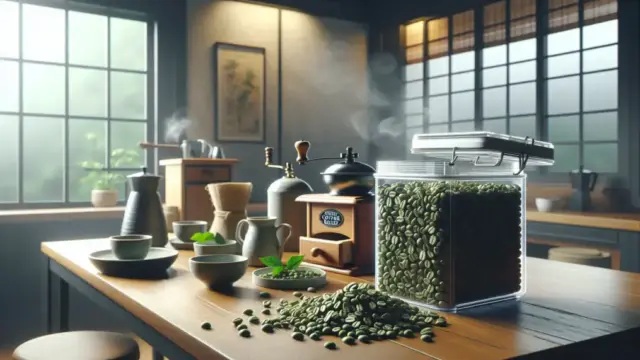
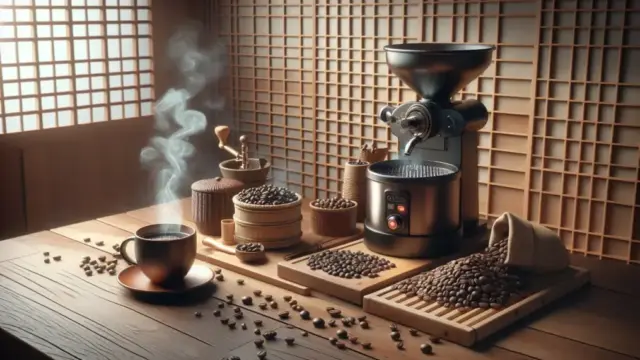
Roasting is a crucial step in the coffee-making process that transforms green coffee beans into the aromatic brown beans we all love. This process involves applying heat to the beans, causing chemical changes that develop flavor, aroma, and color. Depending on the desired outcome, roasting can vary in duration and temperature, resulting in different roast levels.
In the UK, you’ll find a variety of roasting styles, each bringing its own unique flair to the coffee. Light roasts are gentle and often highlight the beans’ natural flavors, while dark roasts tend to bring out deeper, more robust flavors. Understanding these basics can help you appreciate the nuances in your cup and how they relate to the beans you selected earlier.
As you explore roasting, it’s also essential to consider the roasting equipment. Whether it’s a small home roaster or a large commercial machine, each method can influence the final product. Local roasters often take great pride in their techniques, showcasing their craftsmanship through carefully curated profiles that reflect regional characteristics.
Learning about roasting is just as important as choosing the right beans. Each batch tells a story, and understanding this process can enhance your appreciation for the artistry behind your daily cup.
- Roasting transforms green beans into aromatic coffee.
- Different roast levels affect flavor and aroma.
- Local roasters often showcase unique roasting techniques.
How Roast Level Affects Flavor
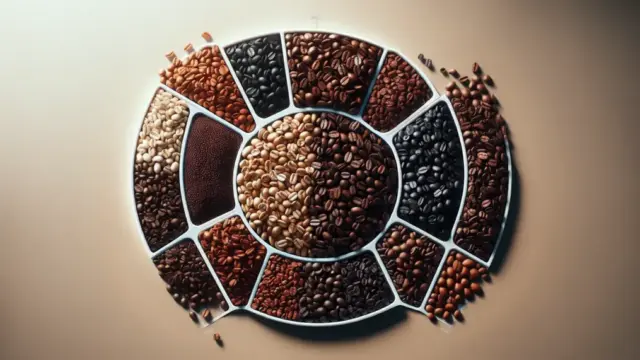
The roast level has a profound impact on the flavor profile of your coffee. Light roasts typically retain more of the original bean characteristics, often showcasing brighter acidity and fruity notes. These coffees might remind you of the floral or citrus flavors found in single-origin beans from regions like Ethiopia.
On the other hand, as beans are roasted longer, they undergo more significant chemical changes, resulting in a darker roast. Dark roasts exhibit bolder, smoky flavors with a heavier body, perfect for those who enjoy a robust cup. This transformation also affects the caffeine content, with lighter roasts generally retaining more caffeine than their darker counterparts.
As you explore different roast levels, you might want to experiment with brewing methods as well. The way you brew can further enhance or mellow out the flavors, leading to a richer coffee experience. So, don’t hesitate to try a range of roast levels and brewing styles to find what resonates best with your palate.
If you’re intrigued by the complex world of coffee roasting and want to delve deeper into how different methods can affect the flavor, you might find great value in exploring our article on Master Coffee Roasting! The Complete Guide for Beginners to Experts. This piece offers insights into various roasting techniques and tips that can enhance your coffee-making experience.
- Light roasts retain original bean characteristics and showcase bright flavors.
- Dark roasts provide bolder, smoky flavors with a heavier body.
- Brewing methods can further enhance or alter the flavors.
Varieties of Brewing Methods
Differences Between French Press and Drip
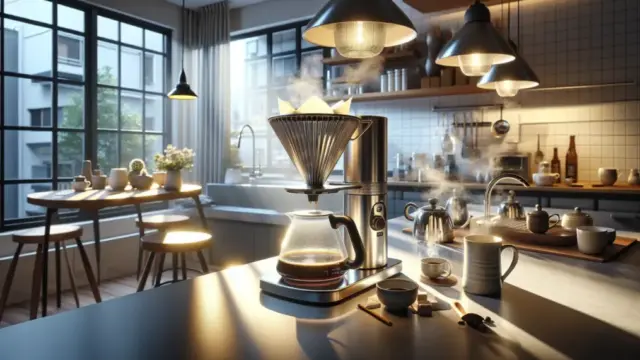
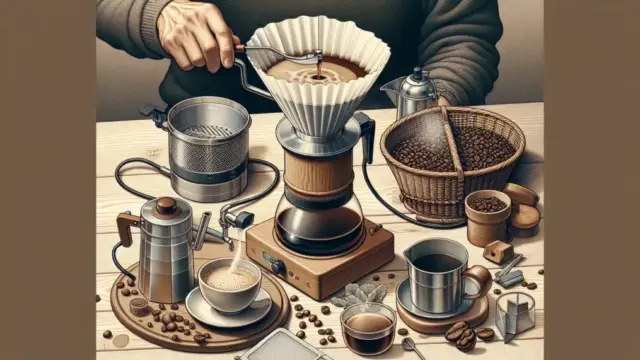
When it comes to brewing coffee, the method you choose can significantly affect the flavor and overall experience. The French press and drip coffee makers are two popular options, each with its own unique characteristics. The French press, known for its simplicity, allows the coffee grounds to steep directly in hot water. This method typically results in a richer, fuller-bodied cup with a more pronounced flavor. The immersion brewing style extracts oils from the coffee, which adds depth to the taste.
On the other hand, drip coffee makers offer a more convenient approach, especially for those who want a quick and consistent brew. In this method, hot water is poured over the coffee grounds in a filter, allowing gravity to do the work. This results in a cleaner cup with less sediment, making it a favorite for many coffee drinkers. While some may argue that drip coffee lacks the intensity of a French press, it still provides a reliable way to enjoy a satisfying cup of coffee.
The choice between these two methods often comes down to personal preferences. If you appreciate a bold, complex flavor, you might lean towards the French press. But if you prefer a smoother, easier brewing process, a drip coffee maker could be the way to go. Exploring these different brewing methods can be a fun way to find out what suits your taste best.
- French press offers a fuller-bodied cup due to immersion brewing.
- Drip coffee makers provide convenience and a cleaner cup.
- Personal preference plays a significant role in the brewing method choice.
The Allure of Espresso
Espresso is another fascinating brewing method that deserves attention, especially for those who enjoy a concentrated coffee experience. This method involves forcing hot water through finely-ground coffee under pressure, resulting in a small, but powerful shot of coffee. The rich and bold flavors of espresso make it a favorite for many, and it serves as the foundation for various coffee drinks, from lattes to cappuccinos.
One of the reasons people are drawn to espresso is its versatility. Whether you enjoy it straight or as part of a mixed drink, the possibilities are endless. Additionally, the process of making espresso can feel like an art form. From selecting the right beans to perfecting the grind size and extraction time, there’s a lot to explore. The allure of espresso lies not only in its taste but also in the experience of crafting the perfect shot.
If you’re eager to dive deeper into the world of espresso, consider experimenting with different coffee blends and brewing techniques. Each variation can lead to a unique flavor experience, enhancing your coffee journey in the UK. So, why not grab your espresso machine and start exploring?
- Espresso is a concentrated coffee brewed under pressure.
- It serves as the base for many popular coffee drinks.
- The process of making espresso can be an art form, allowing for creativity.
Summary
As we’ve explored the fascinating world of coffee in the UK, it’s clear that this beverage has a rich history and cultural significance that continues to evolve. From the early days of coffee houses that served as social hubs to the diverse types of beans and brewing methods available today, coffee in the UK offers something for everyone. Whether you’re an enthusiast or a newcomer, understanding the journey of coffee enhances your appreciation and experience.
Choosing the right coffee beans and roasting techniques can significantly impact the flavor of your cup. With options ranging from Arabica to Robusta and various roasting levels, there’s a wealth of possibilities to discover. The brewing methods you select, whether it be French press, drip, or espresso, create unique flavor profiles that cater to individual preferences, making each cup a personal journey.
In summary, exploring the UK coffee scene is not just about drinking coffee; it’s about connecting with a culture and tradition that spans centuries. The next time you brew a cup, take a moment to appreciate the nuances and stories behind it.
- The UK has a rich coffee history, from coffee houses to modern coffee culture.
- The choice of coffee beans and roasting techniques greatly influences flavor.
- Various brewing methods provide unique experiences tailored to personal preferences.
We’d love to hear your thoughts on the UK coffee culture! What are your favorite brewing methods or coffee beans? Share your experiences in the comments below!
Comment