

































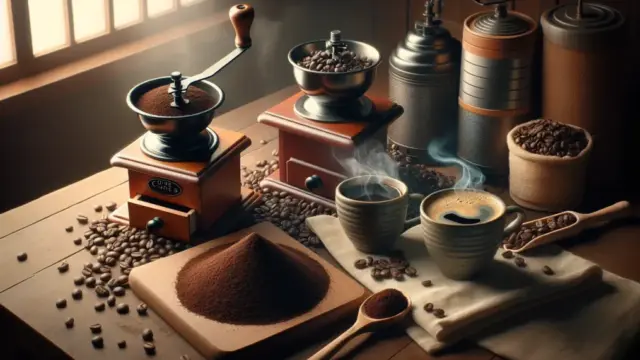












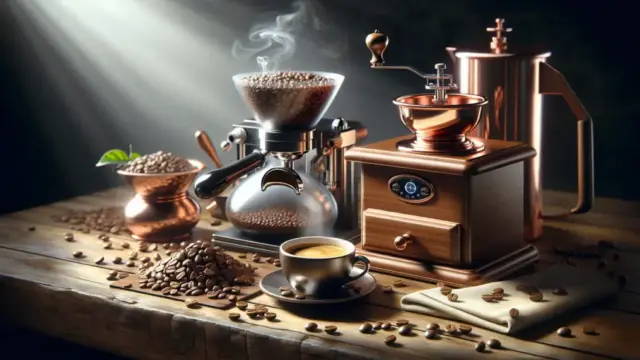






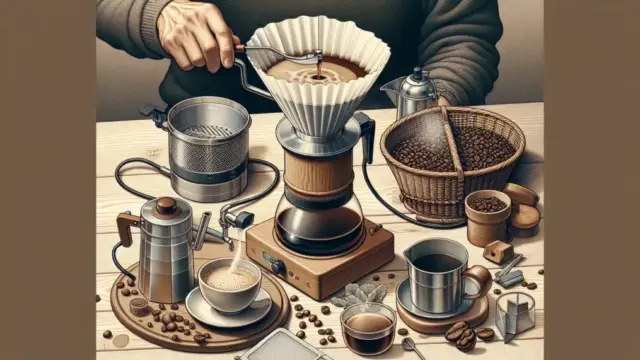

Discovering the world of coffee can feel like stepping into a magical realm, especially when it comes to Arabica coffee. Known for its smooth, rich flavor and delightful aromas, Arabica beans are a favorite among coffee enthusiasts. Whether you’re just starting your coffee journey or you’re a seasoned barista, understanding the nuances of Arabica coffee can enhance your brewing experience and appreciation.
In this guide, we’ll dive deep into the charm of Arabica coffee, exploring everything from its origins to the best brewing methods. You’ll learn about the key differences between Arabica and Robusta, and why selecting the right beans is crucial for extracting the perfect cup. With the right knowledge, you’ll be able to savor the unique characteristics that make Arabica so special.
Choosing the right beans is just the beginning. We’ll also cover roasting techniques that can elevate the flavors of Arabica, guiding you through the basics and even some home roasting methods. Imagine the satisfaction of brewing a cup of coffee that you roasted yourself, filled with rich flavors that speak to your personal taste.
Finally, we’ll explore various brewing methods to ensure you’re getting the most out of your Arabica coffee. From drip to espresso, each method has its own set of tips and tricks for maximizing flavor. By the end of this article, you’ll be well-equipped to enjoy every sip of your favorite brew.
- Discover the allure of Arabica coffee and its unique characteristics.
- Learn how to choose the best Arabica beans for quality and freshness.
- Explore roasting and brewing techniques to maximize flavor.
What is Arabica Coffee? Discover Its Allure
Basic Information about Arabica Coffee
Arabica coffee, or *Coffea arabica*, is one of the most popular coffee species in the world, accounting for about 60-70% of global coffee production. The beans are typically grown at higher altitudes, which contributes to their distinct flavor profile. Arabica coffee tends to be sweeter and more aromatic compared to other coffee types, making it a favorite among coffee lovers.
The cultivation of Arabica coffee requires specific growing conditions, including cooler temperatures and rich soil. These factors play a significant role in developing the unique taste that distinguishes Arabica from other varieties. As you delve deeper into the world of coffee, understanding these basics will help you appreciate the complexities of Arabica even more.
- Arabica coffee makes up 60-70% of global production.
- Grown at higher altitudes for unique flavors.
- Known for its sweetness and aromatic qualities.
Differences Between Arabica and Robusta
When exploring coffee, it’s essential to understand the differences between Arabica and Robusta coffee. While both come from the coffee plant, their characteristics vary significantly. Arabica beans generally have a more sophisticated flavor, often described as smooth and fruity, with a pleasant acidity. On the other hand, Robusta beans tend to be stronger and more bitter, with a nutty flavor profile.
Another major difference lies in the caffeine content. Robusta beans contain almost double the caffeine compared to Arabica, which contributes to their stronger taste. This higher caffeine content also makes Robusta plants more resilient to pests and diseases, allowing them to thrive in various growing conditions. Consequently, while Arabica coffee is often preferred for its delicate flavors, Robusta is frequently used in espresso blends for added body and crema.
Additionally, the growing conditions for each type play a role in their taste profiles. Arabica coffee flourishes in cooler climates, typically between 2,000 and 6,000 feet above sea level, while Robusta is more adaptable and can grow at lower elevations. Understanding these distinctions will help you make informed choices about which type of coffee you prefer.

If you’re intrigued by the nuances of coffee, you might want to explore the article titled Master the Flavor of Brazilian Coffee! A Complete Guide from Bean Selection to Storage, which delves into the rich flavors and unique characteristics of Brazilian coffee. This guide will enhance your understanding of different coffee varieties and their profiles, allowing you to appreciate Arabica coffee even more.
- Arabica is smoother and fruitier; Robusta is stronger and more bitter.
- Robusta has nearly double the caffeine content of Arabica.
- Arabica thrives at higher elevations, while Robusta grows well at lower altitudes.
How to Choose Beans: Reasons to Select Arabica
Determining Freshness and Quality
When it comes to selecting Arabica coffee beans, freshness and quality are key factors that can significantly affect your brewing experience. Freshly roasted beans tend to have a richer aroma and flavor profile, enhancing your overall enjoyment. To ensure you’re getting the best quality, look for beans that have been roasted recently. Most coffee bags will have a roast date printed on them, so check for that before making a purchase.
Additionally, consider the origin of the beans. High-quality Arabica beans often come from regions with ideal growing conditions. These areas typically produce beans with distinct flavor notes that reflect the unique environment in which they were grown. By choosing beans from reputable sources, you’re more likely to enjoy a delicious cup that showcases the best of what Arabica has to offer.
Another tip is to pay attention to the packaging. Beans that are stored in airtight bags with one-way valves help preserve freshness by preventing oxygen from getting in. This is essential for maintaining the rich flavors and aromas that make Arabica coffee so special. By being mindful of these factors, you’ll elevate your coffee experience and savor every sip.
- Look for freshly roasted beans with a clear roast date.
- Choose beans from reputable regions known for high-quality Arabica.
- Opt for airtight packaging to maintain freshness.
Understanding Regional Characteristics
Exploring the regional characteristics of Arabica coffee can deepen your appreciation for this beloved beverage. Different growing regions impart unique flavors and aromas to the beans. For instance, Arabica coffee from Ethiopia is often praised for its floral and fruity notes, while Colombian Arabica is known for its balanced sweetness and mild acidity. Understanding these distinctions allows you to choose beans that align with your personal taste preferences.
In addition to flavor, factors like altitude and climate also play a significant role in shaping the characteristics of the beans. Higher elevations often lead to slower maturation of the coffee cherries, resulting in more complex flavors. This is why many of the world’s finest Arabica coffees are grown in mountainous regions. As you explore various Arabica coffees, you’ll discover a world of flavors that reflect the unique attributes of their origins.
By diving into these regional nuances, you can make informed choices that enhance your coffee experience. Whether you prefer the fruity brightness of Ethiopian beans or the smooth richness of Colombian varieties, understanding the regional characteristics of Arabica coffee will guide you in selecting the perfect beans for your next brew.
If you’re eager to further enhance your coffee journey, you might find it beneficial to explore this article, Your Ultimate Guide to Enjoying Coffee: From Beans to Tools for Beginners!. It offers a comprehensive look at everything from selecting the right beans to the essential tools that can elevate your brewing experience.
- Different regions produce unique flavors and aromas.
- Higher elevations contribute to complex flavor profiles.
- Explore various Arabica varieties to find your favorites.
Roasting: Techniques to Enhance Arabica’s Flavor
Basics of Roasting and Its Process
Roasting is a crucial step in the journey from green coffee beans to the aromatic brew we all love. This process transforms raw Arabica beans, bringing out their unique flavors and characteristics. During roasting, the beans undergo complex chemical changes that develop their aroma, acidity, and body. The heat causes the sugars in the beans to caramelize, leading to a delightful range of flavors that can be both sweet and complex.
Understanding the roasting process can help you appreciate the nuances of your favorite Arabica coffee more deeply. Roasting can be categorized into several levels, from light to dark, each yielding different flavor profiles. Light roasts tend to retain more of the beans’ natural flavors, often showcasing fruity and floral notes. In contrast, darker roasts bring out bolder, richer flavors with chocolatey undertones. Knowing these differences allows you to select the roast level that best suits your palate.
When roasting Arabica beans, it’s important to monitor the temperature closely. A typical roasting process takes about 10 to 15 minutes, depending on the desired roast level. The sound of the beans popping, known as the “first crack,” indicates they’re reaching a light roast. The second crack signals a medium to dark roast. Timing your roast to perfection can make all the difference in the final flavor of your coffee.
- Roasting transforms green beans into aromatic coffee.
- Different roast levels yield unique flavor profiles.
- Monitoring temperature and timing is crucial for optimal results.
Home Roasting Methods
For those eager to take their coffee experience to the next level, home roasting can be a rewarding endeavor. It allows you to customize the roast level according to your personal taste and discover the full potential of Arabica beans. There are various methods to roast coffee at home, ranging from simple to more advanced techniques.
One of the easiest ways to start is by using a stovetop popcorn popper. This method offers a hands-on approach, allowing you to see the beans as they change color and listen for the cracks. By adjusting the heat and shaking the popper, you can control the roast level. This method is not only effective but also adds an element of fun to your coffee routine.
Another popular option is using an air popcorn popper. With this method, the hot air circulates around the beans, ensuring even roasting. It’s a quick way to achieve a light to medium roast while maintaining the unique flavors of Arabica coffee. Once you’ve honed your roasting skills, you can experiment with different beans and roasting profiles to find your ideal cup.
If you prefer a more precise approach, consider investing in a home coffee roaster. These machines offer greater control over temperature and timing, allowing you to achieve consistent results. Many models come with built-in features that let you monitor the roasting process closely, ensuring that you can replicate your favorite roast every time.
If you’re intrigued by the art of roasting and want to dive deeper into coffee’s fascinating world, you might also find value in the article titled Discover the Joy of Home Roasting Coffee! A Complete Guide from Bean Selection to Roasting Techniques. It offers a comprehensive guide that covers everything from selecting the right beans to mastering roasting techniques, making it a perfect complement to your exploration of Arabica’s flavor enhancement.
- Stovetop popcorn poppers offer a hands-on roasting experience.
- Air popcorn poppers provide even roasting for lighter profiles.
- Home coffee roasters allow for precise control and consistency.
Brewing Methods: Maximizing the Flavor of Arabica
Differences Between Drip and Espresso
When it comes to brewing Arabica coffee, the method you choose can significantly influence the flavor profile of your cup. Drip coffee and espresso are two popular methods, each with its own unique characteristics. Drip coffee typically involves a slower extraction process, which allows for a more balanced flavor to emerge. This method highlights the natural sweetness and floral notes that Arabica beans are known for, making it a great choice for those who appreciate the subtleties of this coffee type.
On the other hand, espresso is brewed under pressure, resulting in a concentrated shot of coffee that packs a punch. The rapid extraction process can intensify the flavors, bringing out the rich, chocolatey undertones of Arabica. While both methods have their merits, your choice will depend on whether you prefer a smoother, more delicate cup or a bold, intense experience. By understanding these differences, you can select the brewing method that best showcases the unique qualities of Arabica coffee.
- Drip coffee highlights the natural sweetness of Arabica.
- Espresso offers a concentrated, bold flavor experience.
- Your brewing choice affects the overall taste of your coffee.
Tips and Precautions for Brewing
Brewing Arabica coffee is an art that requires attention to detail and a few essential tips to ensure you get the best flavor. First, always use fresh, filtered water. The quality of water can greatly affect the taste of your coffee, so it’s worth investing in good quality water for your brew. Additionally, the temperature of the water is crucial; for most Arabica beans, a temperature between 195°F and 205°F is ideal. Too hot, and you risk burning the coffee; too cool, and you won’t extract the full flavors.
Next, pay attention to the grind size. For drip coffee, a medium grind works best, while espresso requires a fine grind to create that perfect crema. Experimenting with grind sizes can help you find the balance that suits your taste preferences. Lastly, keep your brewing equipment clean. Residue from previous brews can alter the flavor of your coffee, so regular cleaning is essential to maintain the integrity of your Arabica beans.
By following these tips and being mindful of your brewing process, you’ll be well on your way to enjoying the full spectrum of flavors that Arabica coffee has to offer. The journey of brewing is just as exciting as the coffee itself, and with practice, you’ll discover how to make each cup uniquely yours.
If you’re eager to deepen your understanding of coffee, you’ll definitely want to check out the article titled Discover the True Essence of Coffee: From Bean Selection to Storage Tips. This piece offers a comprehensive exploration of coffee, covering everything from bean selection and roasting to brewing and storage methods, making it an excellent complement to your journey through the world of Arabica coffee.
- Use fresh, filtered water for the best taste.
- Maintain the ideal water temperature for extraction.
- Experiment with grind sizes to find your preferred flavor.
Summary of Arabica Coffee: Your Journey to Flavor
In conclusion, exploring the world of Arabica coffee opens up a delightful journey filled with rich flavors and unique characteristics. From understanding the differences between Arabica and Robusta to mastering the art of roasting and brewing, each step enhances your appreciation of this beloved beverage. By carefully selecting high-quality beans and employing the right techniques, you can unlock the full potential of Arabica coffee and truly savor every cup.
As you continue your coffee journey, remember that the choice of brewing methods and the freshness of your ingredients play significant roles in the overall experience. With a little practice and knowledge, you can become a connoisseur of Arabica coffee and enjoy its delightful complexities.
- Arabica coffee accounts for 60-70% of global coffee production.
- It is sweeter and more aromatic compared to Robusta, making it a favorite among coffee lovers.
- Different brewing methods, such as drip and espresso, can significantly affect the flavor of Arabica coffee.
We’d love to hear your thoughts! What are your favorite ways to enjoy Arabica coffee? Share your experiences in the comments below!

Comment