















































Discovering the world of coffee is like embarking on a delightful adventure. From its rich history to the intricate brewing methods, there’s so much to explore. Whether you’re a casual drinker or a dedicated enthusiast, this guide will help you uncover the fascinating stories behind coffee and enhance your appreciation for each cup.
Join me as we delve into the origins of coffee and how different cultures around the globe savor this beloved beverage. You’ll learn about the variety of coffee beans, roasting techniques, and brewing methods that can elevate your coffee experience to new heights. Let’s embark on this flavorful journey together!
- Uncover the origins and cultural significance of coffee around the world
- Learn about the differences between coffee beans and their flavor profiles
- Discover essential roasting and brewing techniques for the perfect cup
History and Culture of Coffee
Origins of Coffee
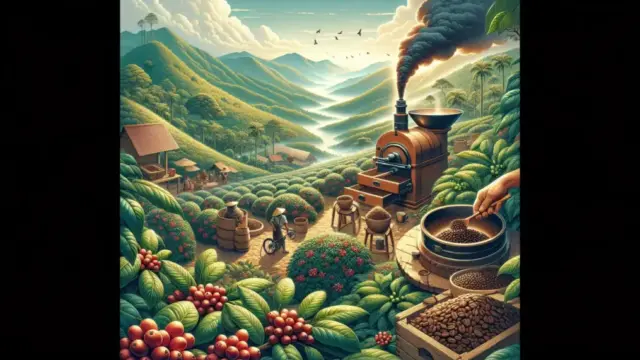
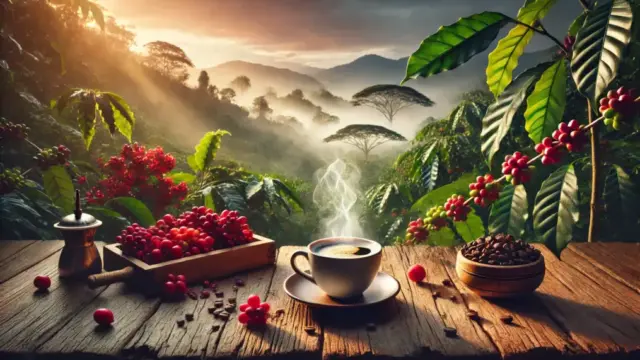
The journey of coffee begins in the mountainous regions of Ethiopia, where legend has it that a goat herder named Kaldi discovered the coffee bean. He noticed that his goats became energetic after eating the red cherries from a particular tree. Intrigued by their behavior, Kaldi tried the cherries himself and soon experienced a similar boost in energy. This serendipitous discovery led to the cultivation and trade of coffee, which would eventually spread across the globe.
As coffee made its way to the Arabian Peninsula, it transformed into a popular drink among the Islamic community. By the 15th century, coffee houses known as “qahveh khaneh” emerged in Persia, serving as social hubs for conversation, music, and intellectual discussion. This cultural significance continued to grow as coffee traveled to Europe in the 17th century, where it became a staple in cafes, fostering a vibrant culture of discussion and creativity.
Through these early interactions, coffee has become more than just a beverage; it represents a rich tapestry of history and human connection. Each cup tells a story that reflects the journey from the coffee tree to your mug, making every sip a delightful discovery.
- The legend of Kaldi and his energetic goats
- Coffee’s rise in Arabian culture and its social significance
- The spread of coffee into Europe and the birth of coffee houses
Coffee Cultures Around the World
Exploring coffee culture worldwide reveals a diverse array of traditions and practices that celebrate this beloved drink. In Italy, for instance, the espresso serves as the foundation of coffee culture, with quick shots enjoyed at the bar. The ritual of sipping espresso embodies a blend of artistry and efficiency, making it an integral part of daily life.
Meanwhile, in Turkey, coffee preparation is an art form. Turkish coffee is brewed in a special pot called a cezve, often with sugar and spices, and served unfiltered, allowing the grounds to settle at the bottom. The act of serving coffee is often accompanied by a fortune-telling ritual using the remnants in the cup, adding a layer of mystique and engagement to the experience.
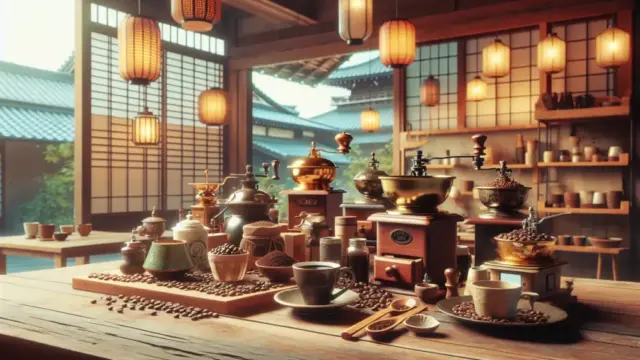
In contrast, coffee in Japan focuses on precision and craftsmanship. The pour-over method, known as “siphon coffee,” combines science with aesthetics, revealing the delicate flavors of the beans. This meticulous approach highlights the deep respect for coffee as an art form, encouraging drinkers to appreciate every nuance.
As we explore these different coffee cultures, we gain a deeper understanding of how this simple bean can unite people in various ways. Whether it’s a quick espresso in Italy, a ritualistic brew in Turkey, or a refined pour-over in Japan, coffee continues to inspire connections and discoveries around the world.
- The espresso culture of Italy and its significance
- Turkish coffee and the art of brewing and serving
- Japanese pour-over coffee and the focus on precision
Choosing and Understanding Coffee Beans
Differences Between Arabica and Robusta
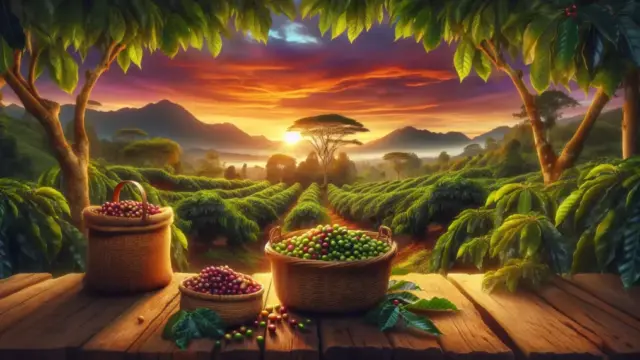
When it comes to coffee beans, understanding the differences between Arabica and Robusta is essential for any coffee lover. Arabica beans are known for their smooth, complex flavors and aromatic qualities. They thrive in higher altitudes and require more care in cultivation. This results in a higher price point, but many coffee enthusiasts believe the taste is worth it.
On the other hand, Robusta beans are often characterized by their bold, stronger flavor and higher caffeine content. They are hardier and can be grown in lower altitudes, making them more cost-effective. Robusta is typically used in espresso blends due to its rich crema and less acidity. Recognizing these differences can greatly influence your coffee choices, allowing you to explore various flavors and brewing methods.
Whether you prefer the delicate notes of Arabica or the robust profile of Robusta, experimenting with both can lead to exciting discoveries. Trying different blends might reveal surprising favorites that enhance your coffee experience. As you make your choices, keep in mind how these beans affect not just taste, but also your overall enjoyment of each cup.
- Arabica is smooth and aromatic, often preferred by coffee aficionados.
- Robusta offers a stronger flavor and is more affordable.
- Understanding these differences helps you make informed coffee choices.
Understanding Flavor Profiles
Now that we’ve discussed the types of coffee beans, let’s dive into the fascinating world of flavor profiles. Each coffee bean carries unique characteristics influenced by its origin, processing method, and roasting technique. This means that tasting coffee can be a delightful journey of discovery, as no two cups are exactly alike.
For instance, beans from Central America often exhibit bright acidity and fruity notes, while those from South America might have more chocolatey undertones. African beans, such as those from Ethiopia, can surprise you with floral and berry-like flavors. By exploring these profiles, you can learn to appreciate the nuances in every cup, making your coffee experience even richer.
- Coffee flavor profiles vary by region and processing methods.
- Central American beans are often fruity and bright.
- African beans can have floral notes and surprising flavors.
The Importance of Roasting
Different Roast Levels
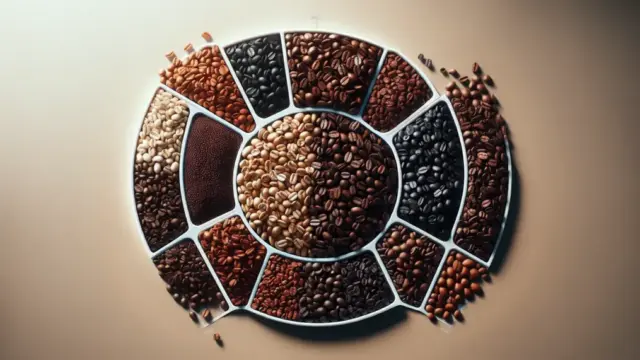
Roasting is a crucial step in the coffee-making process that dramatically influences the flavor and aroma of your brew. Understanding the different roast levels can lead to exciting discoveries about what you enjoy in your cup. Generally, coffee is categorized into light, medium, and dark roasts, each offering a unique taste experience.
Light roasts preserve the original flavors of the beans, providing bright acidity and fruity notes. If you’re curious about the specific origin of the beans, a light roast is often the best way to explore those characteristics. As the roast level increases to medium, you’ll start to notice a balance of acidity and sweetness, making it a popular choice for many coffee drinkers.
On the other hand, dark roasts have a bold, rich flavor with pronounced smoky or chocolatey undertones. This roast level tends to mask the original bean flavors, focusing instead on the roasting process itself. Many espresso blends use dark roasts to create a full-bodied experience. By understanding these differences, you can make informed choices that enhance your coffee journey and lead to delightful discoveries.
- Light roasts offer bright acidity and fruity notes.
- Medium roasts balance acidity and sweetness.
- Dark roasts provide bold flavors with smoky undertones.
Home Roasting Techniques
If you’re feeling adventurous, why not try roasting your own coffee at home? This process allows for a more personalized touch and can be a fun discovery in your coffee journey. Understanding the basics of home roasting can open up a world of flavors that you might not find in store-bought beans.
One popular method is using a popcorn popper. This appliance provides enough heat to roast the beans evenly and can be a great starting point for newcomers. Simply add green coffee beans to the popper and watch them transform as they roast. It’s an engaging way to experience the roasting process firsthand, and you can experiment with different roast levels according to your taste preferences.
Another technique is using a stovetop pan. This method requires a bit more attention, as you’ll need to stir the beans continuously to prevent burning. However, the reward is worth it as you develop an understanding of how heat affects flavor. By roasting at home, you not only discover new tastes but also gain a deeper appreciation for the coffee-making process as a whole.
- Home roasting allows for personalized flavors.
- A popcorn popper is an easy and fun way to start.
- Stovetop roasting offers insight into the roasting process.
Exploring Brewing Methods
Differences Between Drip and Espresso
When it comes to brewing coffee, understanding the different methods can lead to exciting discoveries about flavor and experience. Drip coffee, often enjoyed for its simplicity, involves pouring hot water over coffee grounds in a filter. This method allows for a clean, smooth cup that highlights the bean’s inherent flavors. It’s perfect for those who appreciate a milder taste and want to enjoy a larger volume of coffee.
On the other hand, espresso brewing is a more concentrated method that forces hot water through finely-ground coffee under pressure. This results in a rich, bold flavor with a creamy layer of crema on top. Espresso serves as the foundation for many coffee drinks, such as lattes and cappuccinos, and its intense flavor can be a delightful discovery for those looking to explore deeper coffee experiences.
While both methods have their unique qualities, the choice between drip and espresso can significantly influence your coffee enjoyment. It’s worth experimenting with each method to uncover which brewing style resonates with your taste preferences. By understanding these differences, you can elevate your coffee routine and embark on new flavor adventures.
- Drip coffee is smooth and clean, suitable for larger servings.
- Espresso is bold and concentrated, often used in various coffee drinks.
- Exploring both methods can enhance your coffee discovery journey.
Recommended Brewing Equipment
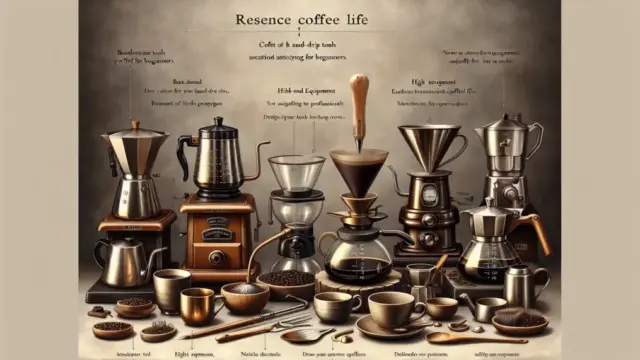
Now that we’ve explored the differences between brewing methods, let’s talk about the equipment that can help you bring your coffee dreams to life. Investing in the right tools can make a huge difference in your brewing experience and the flavors you uncover.
For drip coffee enthusiasts, a quality coffee maker with a programmable feature can be a game-changer. It allows you to wake up to the enticing aroma of freshly brewed coffee, setting the tone for your day. Additionally, a burr grinder is essential for achieving even grind sizes, which can improve the extraction process and enhance the flavor profile of your brew.
If you lean towards espresso, a home espresso machine can be a fantastic investment. There are various options available, from manual machines to automatic ones that take care of the details for you. Pairing your machine with a good-quality tamper and a scale can help you achieve consistent results, ensuring each shot is a delightful discovery.
- A programmable coffee maker enhances your drip coffee experience.
- A burr grinder ensures even grind sizes for better flavor extraction.
- A home espresso machine allows for exploration of rich, bold flavors.
Summary
As we conclude our exploration of the world of coffee, it’s clear that this beloved beverage offers endless opportunities for discovery. From its intriguing origins to the diverse cultures surrounding it, coffee is more than just a drink; it’s a connector of people and traditions. Each cup reveals the rich history and unique stories behind the beans, inviting us to savor every moment of our coffee experience.
Understanding the different types of coffee beans, roasting levels, and brewing methods can significantly enhance our appreciation for this drink. Whether you prefer the smooth nuances of Arabica or the robust flavors of Robusta, every choice leads to new discoveries. Likewise, experimenting with various brewing techniques—from drip to espresso—opens up a world of flavors that can surprise and delight.
As you embark on your coffee journey, remember that it’s all about personal preference and exploration. Don’t hesitate to try new beans, methods, and even home roasting! Each experiment is a chance to discover what you truly enjoy and to deepen your connection with this fascinating beverage.
In the end, every coffee experience is a delightful adventure waiting to unfold. Embrace the journey, and let your taste buds guide you as you discover what makes your perfect cup.
- Coffee is a rich tapestry of history and culture, connecting people across the globe.
- Understanding different beans, roasting techniques, and brewing methods can enhance your coffee experience.
- Every coffee journey is personal—experimenting leads to exciting discoveries and deeper appreciation.
I’d love to hear your thoughts! What discoveries have you made in your coffee journey? Share your experiences and favorite brews in the comments below!
Comment